Loose Denture
or Denture Sores
Dentures are designed to fit comfortably and securely in the mouth, but natural changes in the gums and jawbone can gradually affect how they sit. Loose or poorly fitting dentures may move during eating or speaking, and can cause irritation or sores. A professional dental assessment helps identify contributing factors and determine appropriate management.
New Patient Examination
Only £30 £95for new patients
Understanding the Concern
What Are Loose Dentures and Denture Sores?
Loose dentures are dentures that no longer fit securely against the gums and underlying bone. They may shift during chewing or speaking, lose their seal, or feel unstable when resting in the mouth. Looseness can develop very gradually, and many people adapt over time without realising how much the fit has changed.
Denture sores are areas of irritation, redness or ulceration on the gums, palate or inner cheeks, usually caused by friction or pressure from a denture. They may occur as small, localised ulcers, or as more widespread areas of inflammation beneath the fitting surface of the denture.
Both concerns frequently occur together, as movement of a loose denture commonly produces friction that leads to sore spots. Left unassessed, they can affect comfort, confidence and the ability to eat and speak easily. Clinical evaluation of both the denture and the oral tissues helps determine the most appropriate course of action.
Symptoms & Warning Signs
Dentures moving or slipping
Movement of the upper or lower denture during chewing, speaking or laughing, often associated with reduced confidence in function
Discomfort or pain under the denture
Generalised soreness or localised pain felt beneath the denture, particularly during biting or after periods of wear
Red or inflamed areas in the mouth
Persistent redness on the gums or palate — sometimes matching the outline of the denture — which may indicate pressure or inflammation
Ulcers or sore spots on the gums
Small, painful ulcers at specific points on the ridge, often reflecting localised high pressure or rubbing from part of the denture
Difficulty chewing certain foods
Loss of confidence with tougher or harder foods, or a need to cut food into smaller pieces — often reflecting reduced stability of the denture
Reduced confidence when speaking
Clicking sounds, whistling or a sense that the denture may move during speech can reduce confidence in social or professional settings
Symptoms vary depending on severity and cause. Sores that do not heal within two weeks warrant timely professional review.
Why It Happens
Why Do Dentures Become Loose?
Dentures rely on a close fit against the gums and supporting bone. Because these structures change over the years, even well-made dentures will gradually require adjustment, relining or replacement.
Natural changes in jawbone and gums
The bone and gums that support a denture gradually remodel over time. These changes are normal and can alter the shape of the ridges that the denture rests upon
Bone resorption after tooth loss
Once natural teeth are lost, the surrounding bone begins to shrink. This process continues gradually over years and is one of the most common reasons dentures need adjustment or replacement
Wear and ageing of the denture
Denture teeth wear, the acrylic base may flex slightly, and the fitting surface can gradually alter. Older dentures are often no longer as well-adapted as when they were first provided
Changes in weight or oral anatomy
Noticeable weight loss or gain, facial changes, and general changes in soft tissues can affect how a denture fits and how well it is retained during function
Dentures not adjusted for a long period
Without regular review, small issues of fit accumulate gradually. Dentures that have not been checked for many years are often less well-adapted to current conditions
Reduced saliva or dry mouth
Saliva helps form the suction that retains upper dentures in particular. Dry mouth — whether related to medications or general health — can reduce retention and contribute to looseness
Contributing Factors
Common Causes of Denture Sores
Denture sores are rarely due to a single factor. A combination of fit, hygiene, wear patterns and underlying oral health usually influences where and how sores develop.
Ill-fitting dentures
A denture that no longer sits evenly can create localised pressure points on the gums, leading to tender areas, ulcers or persistent red patches beneath the denture
Friction during chewing or speaking
A loose denture may rub against the gums as it moves, producing areas of irritation. Sharp or rough surfaces on the denture can also contribute
Poor denture hygiene
Plaque, food debris and fungal organisms can accumulate on the fitting surface. This may contribute to inflammation of the tissues beneath, known as denture stomatitis
Continuous wear without adequate rest
Wearing dentures continuously — including overnight — reduces opportunity for the tissues to recover and increases the risk of irritation and fungal involvement
Underlying oral conditions
Conditions affecting the soft tissues — including fungal infections, dry mouth, and certain systemic factors — can increase sensitivity and the likelihood of sores
Occlusion and bite imbalance
When the way the dentures meet is uneven, particular areas of the ridge may be overloaded during chewing, leading to localised soreness that may persist until adjustment
Why It Matters
Potential Risks if Not Addressed
Without timely assessment, ongoing pressure and friction from an ill-fitting denture can lead to persistent oral discomfort and worsening sores. Recurrent ulceration in the same area may slow healing and make day-to-day wear of the denture increasingly difficult.
Difficulty eating can affect food choices, sometimes leading to avoidance of certain textures or foods — which in turn may influence nutrition and overall wellbeing. Changes in speech clarity, such as slurring, whistling or clicking sounds, can also reduce day-to-day confidence.
Continued wear of a poorly fitting denture may accelerate further changes in the gums and bone structure, potentially requiring more complex denture adjustments or replacement later. Early professional review can help identify these issues early and preserve options such as simple relining or adjustment.
Your Options
Treatment and Management Options
Treatment depends on clinical assessment of both the denture and the underlying tissues. Management varies based on cause, and a personalised approach is recommended following professional examination.
Denture Adjustment
Focused adjustment of pressure points, sharp areas or the fitting surface to improve comfort and reduce irritation, where the denture is otherwise sound.
Learn MoreDenture Relining
Re-adaptation of the fitting surface of an existing denture to match the current shape of the gums, improving retention and comfort.
Learn MoreAcrylic Dentures
Traditional acrylic dentures that may be provided as a replacement when existing dentures are no longer suitable for adjustment or relining.
Learn MoreCobalt Chrome Dentures
A stronger metal-framework option that can provide a thinner, well-retained denture where suitable for your clinical needs.
Learn MoreValplast (Flexible) Dentures
Flexible denture material that may be considered in certain clinical situations, offering an alternative to rigid denture bases.
Learn MoreFull Dentures
Careful planning, impressions and fitting of complete dentures for patients without natural teeth in one or both arches.
Learn MoreGuidance on denture care and hygiene is a valuable part of management, including advice on cleaning, storage, removal of the denture at night where appropriate, and allowing time for the tissues to recover. Regular monitoring of fit and oral health supports long-term comfort and function.
Your First Step
Importance of Professional Dental Assessment
Denture fit is not static — it changes over time as the gums and bone remodel. Because these changes occur gradually, many people are unaware of how much the fit has altered until symptoms such as soreness or movement become noticeable.
A careful examination helps assess both the denture itself and the oral tissues. The condition of the denture base, clasps, teeth and polished surfaces is reviewed, alongside the health of the gums, ridges, palate and cheeks. Pressure points and areas of irritation can be identified and mapped.
Any adjustments are then planned according to your individual findings. Regular review — even where dentures feel comfortable — helps maintain comfort and function over the longer term and may reduce the likelihood of more complex treatment being needed.
What to Expect
- 1Discussion of symptoms, how the denture feels in function, and any areas of recurrent soreness or ulceration
- 2Examination of the denture — including condition, wear, fitting surface, clasps and polished surfaces
- 3Assessment of the gums, ridges, palate and cheeks for inflammation, pressure points or signs of fungal involvement
- 4Review of denture hygiene and current wear habits, including overnight wear and cleaning routine
- 5Clear explanation of findings, with discussion of options such as adjustment, relining or replacement
- 6Personalised plan taking into account your oral health, preferences and long-term comfort
Two Convenient Locations
Visit Us in Central London
Assessment and treatment planning for denture concerns and other dental issues are available at our London clinic, where professional evaluation can help determine appropriate care options.
South Kensington
Now Open20 Old Brompton Road, South Kensington, London SW7 3DL
Mon & Wed: 9 am – 6 pm
Tue & Thu: 9 am – 8 pm
Fri: 9 am – 5 pm
Sat & Sun: 10 am – 4 pm
1 min from South Kensington tube (District, Circle & Piccadilly)
City of London
Now Open5 Ave Maria Lane, City of London, London EC4M 7AQ
Mon – Thu: 8 am – 6 pm
Fri: 8 am – 2 pm
Sat & Sun: Closed
3 min from St Paul's tube (Central line) · 5 min from Blackfriars
Common Questions
Denture Concerns FAQ
Your Dental Team
Experienced Dentists
All our dentists are GDC registered and experienced in denture care — from adjustment and relining to planning and fitting new full or partial dentures.

Dr. Yasha Y Shirazi
Principal Dentist & Clinical Director
GDC: 195843
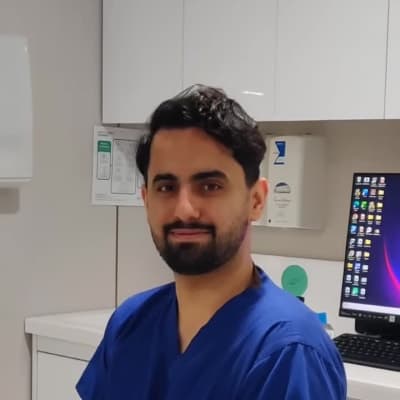
Dr. Reza Davari
Dentist
GDC: 302422
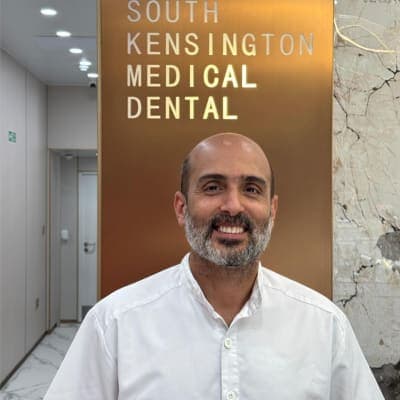
Dr. Kamran Yazdi
Dentist
GDC: 197926

Dr. Andreia Phipps
Dentist
GDC: 229601
Patient Reviews
What Our Patients Say
Related Services
Related Treatments & Services
Registered · Regulated · Trusted
Your Safety Is Our Priority
Our South Kensington and City of London clinics are regulated by the Care Quality Commission (CQC) and all our clinicians are registered with the General Dental Council (GDC).
CQC Regulated
Both clinics
GDC Registered
All clinicians
4.9/5 Rating
Google Reviews
CQC Provider: Medical and Dental Limited · Registration No. 1-20629579981
Assessment for Loose Dentures or Denture Sores
Dentures Feel Loose or Sore?
If your dentures feel loose or are causing discomfort or sores, a professional dental assessment can help identify possible causes and determine appropriate adjustments or replacement options based on your individual needs.