Root Canal
Treatment London
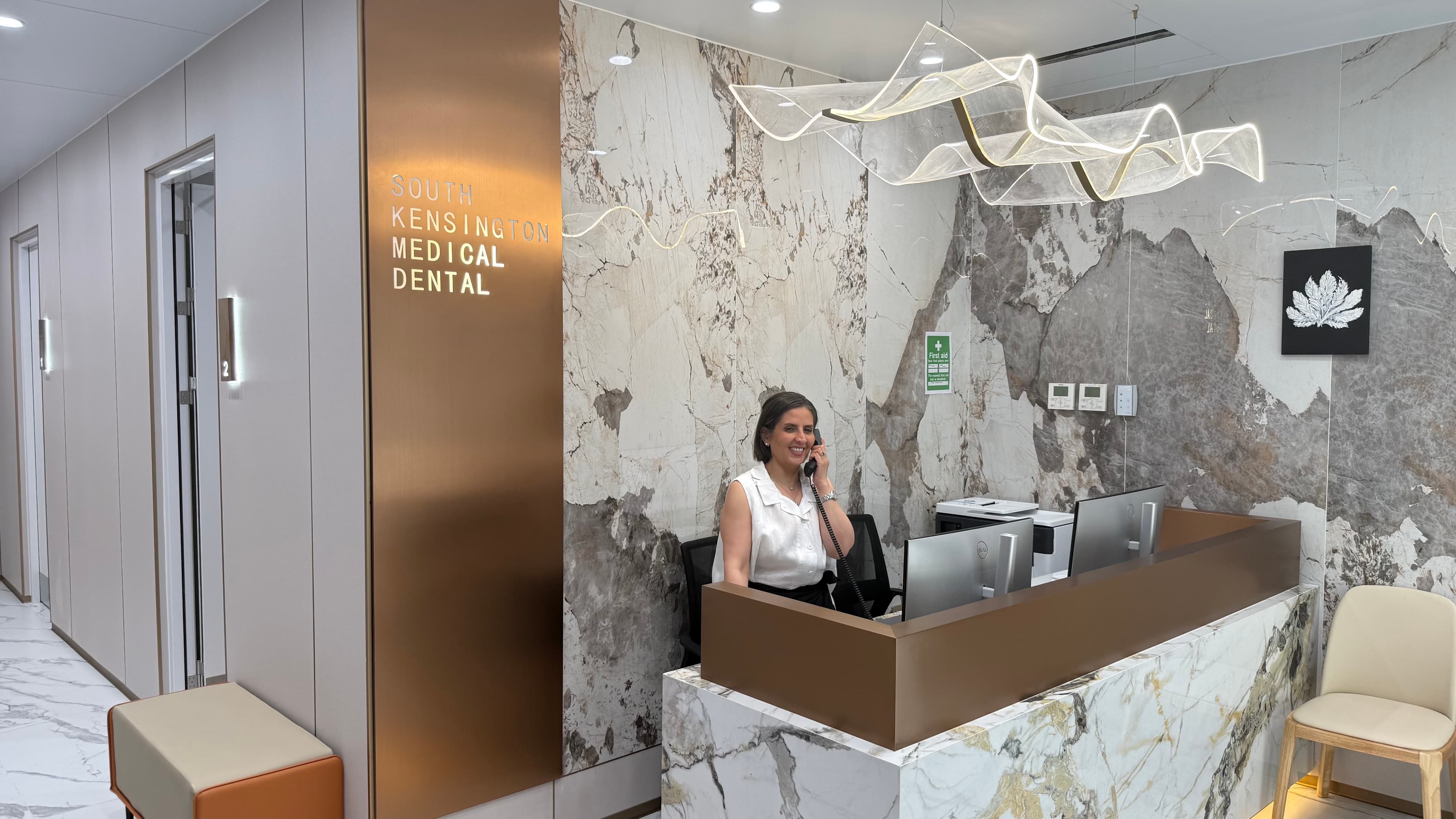
Painless root canal treatment from experienced GDC-registered dentists. Save your natural tooth, stop infection and relieve pain — often in a single visit. Available at our South Kensington and City of London clinics.
Front Tooth
From £695
Molar
From £895
Endodontic Treatment
What Is Root Canal Treatment?
Root canal treatment — also known as endodontic treatment — is a procedure used to save a tooth when the soft tissue inside it (the dental pulp or nerve) becomes infected, inflamed or dies. The pulp can be damaged by deep decay, repeated dental procedures on the same tooth, a crack or chip, or trauma to the face.
During the procedure, your dentist removes the damaged pulp tissue, carefully cleans and disinfects the root canal system inside the tooth, then fills and seals the canals to prevent bacteria from re-entering. In most cases, a dental crown is placed over the treated tooth to protect it and restore full function.
Root canal treatment has a success rate of approximately 90–95% and allows you to keep your natural tooth rather than having it extracted. At Dental Clinic London, our experienced dentists use modern rotary instruments, digital X-rays and rubber dam isolation to perform precise, comfortable root canal treatment.
Do Not Ignore These Symptoms
Signs You May Need a Root Canal
If you are experiencing any of these symptoms, the nerve inside your tooth may be damaged. Early treatment gives the best chance of saving the tooth.
Severe or Lingering Toothache
Pain that throbs, wakes you at night, or lingers long after eating or drinking hot or cold foods — this suggests the nerve is inflamed or dying.
Sensitivity to Hot & Cold
A sharp or dull ache triggered by hot drinks or cold foods that lasts more than a few seconds, even after the stimulus is removed.
Pain When Biting
Discomfort or sharp pain when you bite down or press on the tooth. This can indicate infection at the root tip or a crack extending to the pulp.
Swollen or Tender Gums
Swelling, redness or a tender lump (abscess) on the gum near the affected tooth — a sign that infection has spread beyond the root.
Darkening of the Tooth
A tooth that has turned grey, dark yellow or brown may have a dying or dead nerve. This discolouration comes from the breakdown of internal tissue.
Pimple on the Gum (Sinus Tract)
A persistent pimple or boil on the gum that may ooze pus or have a bad taste. This is a drainage point for an underlying infection.
Not all teeth that need root canals cause symptoms. Regular dental check-ups and X-rays can detect problems before they become painful.
Book an ExaminationSave Your Tooth
Why Choose Root Canal Treatment?
Root canal treatment is the best way to save an infected or damaged tooth. Here are the key benefits.
Save Your Natural Tooth
Root canal treatment preserves your own tooth rather than extracting it. Nothing functions as well as a natural tooth — keeping it avoids the need for an implant, bridge or denture.
Immediate Pain Relief
The procedure removes the source of the pain — the infected or inflamed nerve. Most patients experience significant relief the same day, with the tooth settling fully within a few days.
Stop Infection Spreading
An untreated tooth infection can spread to the jawbone, surrounding tissues and even other parts of the body. Root canal treatment eliminates the bacteria and seals the tooth to prevent reinfection.
High Success Rate
Root canal treatment has a published success rate of approximately 90–95%. With a well-fitted crown and good oral hygiene, a treated tooth can last a lifetime.
Painless Modern Procedure
Under local anaesthetic, root canal treatment is no more uncomfortable than having a filling. Modern rotary instruments and digital imaging make the procedure faster and more precise than ever.
Cost-Effective vs Extraction
Saving a tooth with a root canal and crown is often more cost-effective than extracting and replacing it with an implant (from £2,950), bridge or denture.
Your Options
Types of Root Canal Treatment
The type of root canal treatment depends on which tooth is affected and whether it has been treated before. Your dentist will recommend the best approach after examining your X-rays.
Standard Root Canal Treatment
The most common form of endodontic treatment. Your dentist removes the infected or inflamed nerve tissue (pulp) from inside the tooth, cleans and shapes the root canals using precision instruments, disinfects them and fills the canals with a biocompatible material called gutta-percha. A dental crown is usually placed afterwards to protect and strengthen the tooth long-term.
Molar Root Canal Treatment
Molars have 3 to 4 root canals — sometimes more — making treatment more complex than front teeth. Modern rotary instruments and digital X-rays allow your dentist to locate, clean and seal every canal precisely. Molar root canals are essential for saving back teeth that carry the heaviest chewing load, and a crown is strongly recommended afterwards.
Root Canal Retreatment
Occasionally, a previously root canal-treated tooth can become reinfected — particularly if the original treatment did not fully seal all canals, or if new decay has allowed bacteria to re-enter. Retreatment involves removing the old filling material, re-cleaning the canals, disinfecting and resealing them. Success rates for retreatment are high when performed by an experienced dentist.
Emergency Root Canal
When severe toothache, swelling or infection cannot wait for a routine appointment, an emergency root canal provides rapid pain relief by removing the source of infection. We aim to see emergency patients the same day. The procedure is identical to a standard root canal but is prioritised to stop pain and prevent the infection spreading further.
Your Appointment
How Root Canal Treatment Works
Here is what happens at each stage of a root canal procedure — from diagnosis to final restoration.
Diagnosis & X-Ray
Your dentist examines the tooth, takes a detailed periapical X-ray and may test the nerve with a cold or electric stimulus. This confirms whether the pulp (nerve) is irreversibly damaged or infected and identifies the number and shape of the root canals.
Local Anaesthetic
The tooth and surrounding area are thoroughly numbed with local anaesthetic. You will feel no pain during the procedure. For nervous patients, we take extra time and care to ensure you are completely comfortable before starting.
Isolation with Rubber Dam
A thin rubber sheet (rubber dam) is placed around the tooth to isolate it from saliva and bacteria. This is an essential infection control step that keeps the treatment area clean and dry throughout the procedure.
Accessing the Pulp Chamber
A small opening is made through the top (crown) of the tooth to access the pulp chamber and root canals. Your dentist uses magnification and lighting to locate every canal — even the very fine ones that are sometimes missed.
Cleaning & Shaping the Canals
The infected or inflamed pulp tissue is carefully removed from each canal using flexible rotary instruments. The canals are shaped to a precise taper and repeatedly flushed with antibacterial irrigant (sodium hypochlorite) to dissolve bacteria and debris.
Filling & Sealing
Once the canals are clean and dry, they are filled with gutta-percha — a biocompatible rubber-like material — and sealed with dental cement. This prevents bacteria from re-entering the root canal system. A temporary or permanent restoration is placed on top.
Crown Placement (Follow-up)
In most cases, a dental crown is recommended 2–4 weeks after root canal treatment. The crown encases and strengthens the tooth, protecting it from fracture during biting and chewing. Your dentist will discuss whether a crown is needed for your specific tooth.
Making the Right Choice
Root Canal vs Tooth Extraction
Whenever possible, saving your natural tooth is the best option. Here is how root canal treatment compares to extraction and replacement.
| Feature | Root Canal + Crown | Extraction + Implant |
|---|---|---|
| Keeps Natural Tooth | Yes | No — tooth removed |
| Surgery Required | No | Yes (extraction + implant surgery) |
| Treatment Time | 1–2 weeks (filling to crown) | 3–9 months (healing + implant) |
| Total Cost | From £1,690 (RC + crown) | From £2,950 (implant + crown) |
| Success Rate | 90–95% | 95%+ (implant) |
| Bone Preservation | Yes (natural root remains) | May require bone graft |
| Recovery | Mild tenderness, 1–2 days | 1–2 weeks (extraction healing) |
| Lifespan | Decades to lifetime (with crown) | 15–25+ years (implant) |
Costs are a guide and depend on clinical complexity. Your dentist will always discuss all options with you and explain the pros and cons before recommending treatment.
Watch Our Clinic
What to Expect at Your Visit
Two Convenient Locations
Root Canal Treatment Near You
South Kensington
Now Open20 Old Brompton Road, South Kensington, London SW7 3DL
Mon & Wed: 9 am – 6 pm
Tue & Thu: 9 am – 8 pm
Fri: 9 am – 5 pm
Sat & Sun: 10 am – 4 pm
1 min from South Kensington tube (District, Circle & Piccadilly)
City of London
Now Open5 Ave Maria Lane, City of London, London EC4M 7AQ
Mon – Thu: 8 am – 6 pm
Fri: 8 am – 2 pm
Sat & Sun: Closed
3 min from St Paul's tube (Central line) · 5 min from Blackfriars
Transparent Pricing
Root Canal Prices
Clear, upfront pricing with no hidden fees. Your dentist will always provide a written treatment plan with exact costs before any work begins.
| Treatment | Price |
|---|---|
| New Patient ConsultationIncludes examination & treatment plan | £30 |
| Root Canal — Front Tooth (Incisor / Canine)Single-rooted tooth | From £695 |
| Root Canal — Premolar1–2 root canals | From £795 |
| Root Canal — MolarMulti-rooted back teeth | From £895 |
| Re-Root Canal Treatment (Retreatment)Previously treated tooth | From £895 |
| Dental Crown (Post-Root Canal)Recommended to protect treated tooth | From £995 |
| X-Ray (Periapical)Essential for diagnosis | £20 |
| OPG Full-Mouth X-RayPanoramic view of all teeth and jaw | £80 |
Prices are a guide and may vary depending on clinical complexity. 0% finance available on selected treatments, subject to status. A detailed treatment plan with confirmed costs is provided before any treatment begins.
Expert Advice
After Your Root Canal
Root canal recovery is straightforward. Follow these guidelines to ensure the best outcome.
Expect Mild Tenderness
Some tenderness around the treated tooth is normal for 2–3 days. This is your body healing and usually resolves on its own. Over-the-counter painkillers such as ibuprofen or paracetamol are usually sufficient.
Avoid Chewing on That Side
Until your permanent crown is fitted (usually 2–4 weeks later), avoid chewing hard or crunchy foods on the treated side. The temporary filling or crown is not as strong as the final restoration.
Take Prescribed Medication
If your dentist prescribes antibiotics, complete the full course even if symptoms improve. This ensures the infection is fully cleared. Take any pain relief as directed.
Maintain Oral Hygiene
Brush and floss as normal, being gentle around the treated area for the first few days. Good oral hygiene is essential for healing and long-term success.
Get Your Crown Fitted
Attend your follow-up appointment for the permanent crown. This is a critical step — the crown protects the root canal-treated tooth from fracture and restores full chewing function.
Attend Regular Check-ups
Visit your dentist for routine check-ups and X-rays. This allows them to monitor the treated tooth and ensure it remains healthy and fully healed.
Common Questions
Root Canal FAQ
Experienced Dentists
Your Dental Team
All our dentists are GDC registered and experienced in endodontic (root canal) treatment. They will explain every step clearly and ensure you are comfortable throughout.

Dr. Yasha Y Shirazi
Principal Dentist & Clinical Director
GDC: 195843
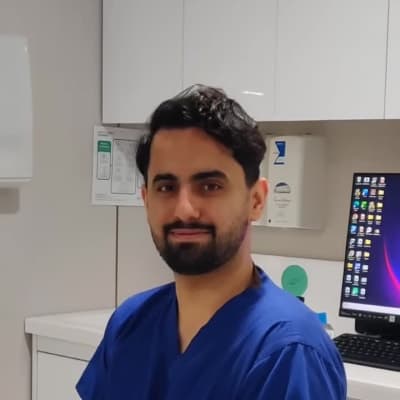
Dr. Reza Davari
Dentist
GDC: 302422
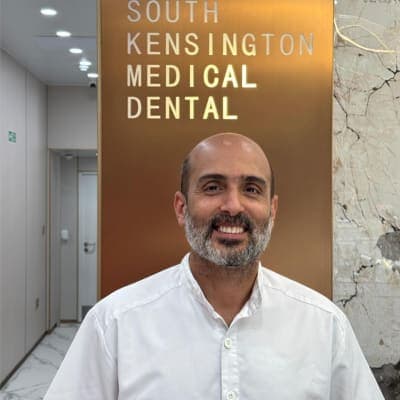
Dr. Kamran Yazdi
Dentist
GDC: 197926

Dr. Andreia Phipps
Dentist
GDC: 229601
Patient Reviews
What Our Patients Say
Explore More
Related Treatments
Registered · Regulated · Trusted
Your Safety Is Our Priority
Our South Kensington and City of London clinics are regulated by the Care Quality Commission (CQC) and all our clinicians are registered with the General Dental Council (GDC).
CQC Regulated
Both clinics
GDC Registered
All clinicians
CQC Provider: Medical and Dental Limited · Registration No. 1-20629579981
Toothache? Save Your Tooth
Do not wait for the pain to get worse. Book a consultation to find out if root canal treatment can save your tooth. New patient consultation just £30. Open 7 days a week.