
Loose Crown or
Crown Fallen Off
A dental crown may become loose or detach over time, exposing the underlying tooth structure. Some individuals notice sensitivity, discomfort or a change in bite, while others experience no immediate pain. A professional dental assessment is important to evaluate the tooth and crown condition and determine appropriate management.
New Patient Examination
Only £30 £95for new patients
Understanding the Concern
What Is a Loose Crown or Fallen Crown?
A dental crown is a protective restoration, typically made from ceramic, porcelain-bonded or metal-based materials, which is placed over a prepared tooth to restore its strength, shape and appearance. Crowns are frequently used after root canal treatment, in cases of significant wear or damage, or to protect heavily restored teeth.
When a crown becomes loose or detaches, it often reflects a weakening of the cement bond or a change in the underlying tooth structure. The exposed tooth may be more vulnerable to decay, fracture or sensitivity, particularly because it has usually been reshaped to accommodate the crown.
The condition can vary considerably — from a crown that is slightly unstable to one that has completely detached. In some cases the crown remains intact and can be considered for recementing; in others, damage or changes to the tooth mean that a new crown or further restorative care may be recommended. Clinical evaluation helps clarify the most appropriate next steps.
Symptoms & Signs
Crown feeling loose or unstable
A sense that the crown moves slightly when biting, chewing or being touched with the tongue, sometimes accompanied by a clicking sensation
Crown completely falling off
The crown may detach entirely — either while eating, flossing, or sometimes during sleep — leaving the underlying tooth exposed
Sensitivity to temperature or sweetness
The exposed tooth may react to hot, cold or sugary foods and drinks, reflecting loss of the protective crown covering
Discomfort when biting or chewing
Pain or discomfort when biting in a particular way, especially on the affected tooth, which may indicate an unstable crown or change in tooth integrity
Visible exposed tooth structure
The prepared tooth beneath — often smaller and a different shape or colour than a natural tooth — may be visible following detachment of the crown
Changes in bite alignment
A crown that has shifted, detached or been replaced by temporary adjustments can affect how the teeth meet, altering the feel of the bite
Symptoms vary depending on severity. Persistent pain, swelling, bleeding or a clearly damaged tooth warrant prompt professional review.
Why It Happens
Common Causes of a Loose or Fallen Crown
Loosening of a crown is rarely due to a single factor. A combination of influences — including the condition of the cement, the tooth beneath, and daily forces on the bite — usually shapes when and how it occurs.
Wear and ageing of dental cement
Even well-placed crowns rely on cement to maintain a secure bond. Over many years of function, this cement can gradually weaken or wash out, eventually allowing movement or detachment of the crown
Tooth decay beneath the crown
Decay can develop around the margin where the crown meets the tooth, particularly where plaque accumulates. As decay progresses, it can undermine the fit and stability of the crown
Trauma or biting on hard foods
A sudden impact — for example, biting down on a bone, nut or piece of hard food — can break the cement seal, fracture the crown or damage the underlying tooth, causing the crown to come loose
Teeth grinding or clenching (bruxism)
Repeated heavy loading during grinding or clenching places significant forces on crowns, which can stress the cement bond and the tooth beneath, increasing the likelihood of dislodgement over time
Poor fit or previous dental work issues
A crown that no longer fits precisely — due to slight deformation, changes in adjacent teeth, or issues with its original preparation — can become more prone to loosening as it is used
Changes in the underlying tooth structure
Cracks, fractures or gradual wear of the tooth beneath the crown can alter how the crown is supported. As the tooth changes, the seal and retention of the crown may be affected
Why It Matters
Potential Risks if Not Addressed
Without appropriate assessment, a loose or fallen crown can lead to increased risk of tooth decay. The prepared tooth beneath a crown is typically smaller and more susceptible to plaque accumulation when exposed, and any existing decay may progress more rapidly.
The underlying tooth can also be more prone to fracture or damage when no longer protected by the crown. Ordinary biting forces — which the crown was designed to withstand — can cause chipping, cracking or wear of the exposed surfaces, which may in turn make future restorative care more complex.
Sensitivity and discomfort may worsen over time, particularly in response to temperature or sugar. Chewing may become more difficult, and bite patterns may gradually change. Timely review can help reduce these risks and preserve options such as recementing of the original crown where conditions allow.
Your Options
Treatment Options for a Loose or Fallen Crown
Treatment depends on clinical assessment of both the crown and the underlying tooth. Management varies based on condition, and a personalised treatment plan is recommended following professional examination.
Recementing Crowns
Where the crown and underlying tooth are suitable, the existing crown can often be cleaned and recemented to restore function and appearance.
Learn MoreLost Filling or Crown Care
Guidance and prompt assessment for patients who have lost a filling or crown, helping protect the exposed tooth while treatment is planned.
Learn MoreReplacement Dental Crowns
When the original crown cannot be reused, a new crown can be made to restore strength, shape, bite and appearance of the treated tooth.
Learn MoreEmergency Dentist
Prompt review for urgent crown concerns — particularly where there is pain, swelling, bleeding or significant damage to the tooth.
Learn MoreEmergency Examination
A focused assessment including clinical examination and radiographs where appropriate, to clarify the condition of the tooth and crown.
Learn MoreBroken Tooth Repair
Restorative care where the tooth beneath the crown has fractured, supporting a long-term plan to rebuild strength and function.
Learn MoreWhere decay is present beneath the crown, additional restorative care may be needed before a new crown is fitted. If the pulp of the tooth has been affected, root canal treatment may be considered. In cases where the tooth is severely damaged or non-restorable, tooth removal and replacement options can be discussed.
Your First Step
Importance of Professional Dental Assessment
Assessment by a dentist helps determine whether the existing crown can be safely reused or whether replacement is more appropriate. The fit, condition and surface of the crown are carefully examined, along with the health of the underlying tooth.
Clinical examination helps identify underlying issues such as decay, fracture or gum involvement, which can influence the most suitable approach. Where appropriate, radiographs are used to evaluate areas that cannot be seen clinically — including the tooth root, surrounding bone and any pulp concerns.
A tailored plan is then developed, taking into account the overall health of the mouth and your long-term aims. Early professional assessment may help prevent further complications and can often preserve options such as recementing where the crown and tooth remain in good condition.
What to Expect
- 1Discussion of how and when the crown became loose or detached, including any associated pain, sensitivity or difficulty chewing
- 2Examination of the crown itself — checking for damage, wear, remaining cement and whether the fit can be restored
- 3Assessment of the underlying tooth for decay, fracture, gum health and overall restorability
- 4Radiographs where appropriate, to evaluate the root, surrounding bone and any pulp involvement
- 5Clear explanation of findings, together with a discussion of options such as recementing, replacement or further restorative care
- 6Personalised treatment plan tailored to the condition of the tooth, your preferences and long-term dental goals
Two Convenient Locations
Visit Us in Central London
Assessment and treatment planning for loose crowns and other dental concerns are available at our London clinic, where professional evaluation can help determine appropriate care options.
South Kensington
Now Open20 Old Brompton Road, South Kensington, London SW7 3DL
Mon & Wed: 9 am – 6 pm
Tue & Thu: 9 am – 8 pm
Fri: 9 am – 5 pm
Sat & Sun: 10 am – 4 pm
1 min from South Kensington tube (District, Circle & Piccadilly)
City of London
Now Open5 Ave Maria Lane, City of London, London EC4M 7AQ
Mon – Thu: 8 am – 6 pm
Fri: 8 am – 2 pm
Sat & Sun: Closed
3 min from St Paul's tube (Central line) · 5 min from Blackfriars
Common Questions
Loose Crown FAQ
Your Dental Team
Experienced Dentists
All our dentists are GDC registered and experienced in assessing crowns and providing restorative care tailored to individual needs.

Dr. Yasha Y Shirazi
Principal Dentist & Clinical Director
GDC: 195843

Dr. Reza Davari
Dentist
GDC: 302422
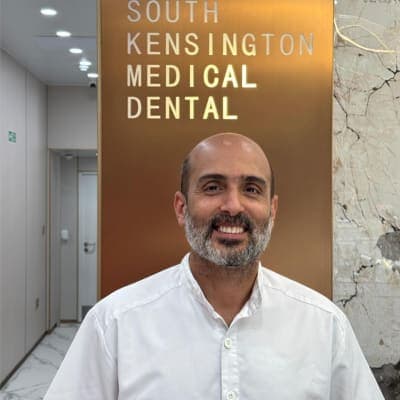
Dr. Kamran Yazdi
Dentist
GDC: 197926

Dr. Andreia Phipps
Dentist
GDC: 229601
Patient Reviews
What Our Patients Say
Related Services
Related Treatments & Services
Registered · Regulated · Trusted
Your Safety Is Our Priority
Our South Kensington and City of London clinics are regulated by the Care Quality Commission (CQC) and all our clinicians are registered with the General Dental Council (GDC).
CQC Regulated
Both clinics
GDC Registered
All clinicians
4.9/5 Rating
Google Reviews
CQC Provider: Medical and Dental Limited · Registration No. 1-20629579981
Assessment for Loose Crown
Crown Loose or Fallen Off?
If you have a loose crown or a crown that has fallen off, a professional dental assessment can help determine the condition of the tooth and identify appropriate treatment options based on your individual needs.