
Dry Mouth
Xerostomia
Dry mouth — clinically known as xerostomia — occurs when saliva production is reduced. Saliva plays an important role in maintaining oral health, and a persistent dry sensation may affect comfort, function and your risk of dental problems. Professional assessment can help identify the cause and guide appropriate management.
New Patient Examination
Only £30 £95for new patients
Understanding the Condition
What Is Dry Mouth (Xerostomia)?
Xerostomia refers to a reduction in saliva flow that leads to a persistently dry sensation in the mouth. While everyone experiences occasional dryness — for example, when nervous or dehydrated — xerostomia describes a more sustained reduction that can affect daily comfort and oral health over time.
Saliva is essential for maintaining a healthy oral environment. It helps to lubricate the mouth, neutralise acids produced by bacteria, wash away food debris, aid in the early stages of digestion, and support the natural remineralisation of tooth enamel. When saliva production is reduced, these protective functions are diminished.
The condition may vary considerably in severity — from mild occasional dryness to a persistent and uncomfortable reduction in saliva that significantly affects eating, speaking and quality of life. A professional dental assessment can help determine the underlying cause and guide appropriate management strategies.
Symptoms & Warning Signs
Persistent dry or sticky feeling
A constant sensation of dryness or stickiness in the mouth, particularly noticeable when speaking, eating or upon waking
Difficulty swallowing or speaking
Reduced lubrication can make it uncomfortable to swallow food — especially dry items — and may cause the voice to feel hoarse or strained
Bad breath (halitosis)
Without adequate saliva to wash away food particles and bacteria, persistent bad breath may develop even with regular oral hygiene
Increased thirst
A frequent or persistent feeling of thirst, often accompanied by a need to sip water regularly throughout the day
Changes in taste
Saliva plays a role in taste perception, and reduced flow may lead to a diminished or altered sense of taste, sometimes with a metallic quality
Oral discomfort or irritation
Dry, cracked lips, soreness at the corners of the mouth, or a burning or tingling sensation on the tongue or inside the cheeks
If dry mouth symptoms persist for more than a few weeks, professional assessment is recommended to identify the cause and protect your oral health.
Contributing Factors
Common Causes of Dry Mouth
Dry mouth can result from a variety of factors, and in many cases several causes may contribute simultaneously. Understanding what is driving the reduction in saliva helps guide effective management.
Medications
Many commonly prescribed medications — including antihistamines, antidepressants, blood pressure drugs and decongestants — can reduce saliva production as a side effect
Dehydration
Insufficient fluid intake, excessive perspiration, illness or conditions causing fluid loss can reduce the body's ability to produce adequate saliva
Medical conditions
Conditions such as Sjögren's syndrome, diabetes, autoimmune disorders and salivary gland diseases can directly affect saliva production and flow
Stress or anxiety
Psychological stress and anxiety can affect the autonomic nervous system, which regulates salivary gland function, leading to reduced saliva flow
Smoking or tobacco use
Tobacco products can irritate oral tissues and reduce saliva production over time, contributing to persistent dryness and associated complications
Age-related changes
While ageing alone does not necessarily cause dry mouth, older adults are more likely to take medications that affect saliva production and may have other contributing factors
Why It Matters
Potential Risks if Not Addressed
When saliva flow is persistently reduced, the mouth loses many of its natural protective mechanisms. This can create an environment in which dental problems develop more readily than they otherwise might.
One of the most significant risks is an increased susceptibility to tooth decay. Without adequate saliva to neutralise acids and support remineralisation, teeth become more vulnerable — and decay may develop in areas that are not typically affected. Gum irritation and inflammation can also become more common, and the risk of oral infections — including fungal infections such as oral thrush — may increase.
Beyond dental health, persistent dry mouth can affect eating and nutrition (particularly with dry or difficult-to-chew foods), make speaking uncomfortable, and reduce overall quality of life. For patients who wear dentures, reduced saliva can affect retention and comfort. Regular professional monitoring helps identify and address these effects before they become more significant.
Your Options
Treatment & Management Options
Management of dry mouth depends on the underlying cause and varies from patient to patient. A personalised approach — developed following thorough assessment — helps address both the symptoms and any contributing factors.
Identifying Contributing Factors
A thorough review of your medical history, medications and lifestyle helps identify what may be causing or contributing to reduced saliva flow, guiding targeted management.
Learn MoreProfessional Dental Care
Regular check-ups and professional cleaning help monitor and manage the oral health effects of dry mouth, including early detection of decay and gum changes.
Learn MoreHydration & Oral Care Advice
Tailored guidance on fluid intake, saliva-stimulating strategies and suitable oral care products can help manage symptoms and protect oral tissues.
Learn MorePreventive Treatments
Fluoride applications, protective coatings and other preventive measures may be recommended to help protect teeth that are at increased risk due to reduced saliva.
Learn MoreManagement of Associated Conditions
Where dry mouth is linked to gum disease, decay or other dental concerns, these are addressed as part of a comprehensive and personalised treatment plan.
Learn MoreOngoing Monitoring
Regular review appointments allow your dental team to monitor changes, adjust management strategies and address any new concerns as they arise.
Learn MoreYour First Step
Importance of Professional Dental Assessment
Dry mouth may be linked to a wide range of underlying health, dental or lifestyle factors, and identifying the specific cause — or combination of causes — is essential for effective management. Self-diagnosis is often unreliable, as the symptoms of xerostomia can overlap with other conditions.
During your assessment, your dentist will review your symptoms, medical history and current medications, carry out a thorough examination of your mouth, teeth and salivary glands, and may recommend further investigations where appropriate. This helps build a clear picture of what is contributing to the reduced saliva flow.
Based on the findings, a personalised management plan can be developed. This may include preventive strategies to protect your teeth, advice on products and techniques to manage dryness, coordination with your GP where medical factors are involved, and a schedule of review appointments to monitor progress. Early assessment may help reduce the risk of decay, gum problems and other complications associated with long-term dry mouth.
What to Expect
- 1Review of symptoms, medical history and current medications
- 2Clinical examination of your mouth, teeth and salivary glands
- 3Assessment of saliva flow and oral tissue health
- 4Identification of contributing factors and underlying causes
- 5Personalised management plan with preventive strategies
- 6Scheduled follow-up to monitor progress and adjust care
Two Convenient Locations
Visit Us in Central London
Assessment and treatment planning for dry mouth and other dental concerns are available at our London clinic, where professional evaluation can help determine appropriate care options.
South Kensington
Now Open20 Old Brompton Road, South Kensington, London SW7 3DL
Mon & Wed: 9 am – 6 pm
Tue & Thu: 9 am – 8 pm
Fri: 9 am – 5 pm
Sat & Sun: 10 am – 4 pm
1 min from South Kensington tube (District, Circle & Piccadilly)
City of London
Now Open5 Ave Maria Lane, City of London, London EC4M 7AQ
Mon – Thu: 8 am – 6 pm
Fri: 8 am – 2 pm
Sat & Sun: Closed
3 min from St Paul's tube (Central line) · 5 min from Blackfriars
Common Questions
Dry Mouth FAQ
Your Dental Team
Experienced Dentists
All our dentists are GDC registered and experienced in the assessment and management of dry mouth and its oral health implications, providing thorough and personalised care.

Dr. Yasha Y Shirazi
Principal Dentist & Clinical Director
GDC: 195843

Dr. Reza Davari
Dentist
GDC: 302422
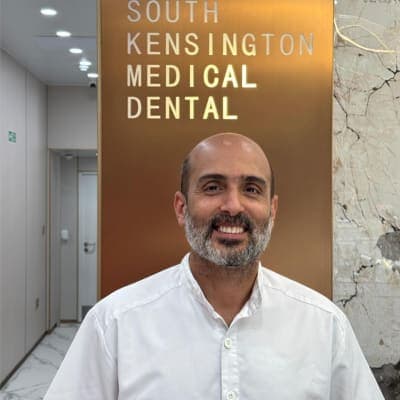
Dr. Kamran Yazdi
Dentist
GDC: 197926

Dr. Andreia Phipps
Dentist
GDC: 229601
Patient Reviews
What Our Patients Say
Related Services
Related Treatments & Services
Registered · Regulated · Trusted
Your Safety Is Our Priority
Our South Kensington and City of London clinics are regulated by the Care Quality Commission (CQC) and all our clinicians are registered with the General Dental Council (GDC).
CQC Regulated
Both clinics
GDC Registered
All clinicians
4.9/5 Rating
Google Reviews
CQC Provider: Medical and Dental Limited · Registration No. 1-20629579981
Assessment for Dry Mouth
Experiencing Persistent Dryness?
If you are experiencing persistent dry mouth or related symptoms, a professional dental assessment can help identify the cause and determine appropriate management options based on your individual needs.