Periodontitis
Advanced Gum Disease
Periodontitis is an advanced form of gum disease that affects the bone and tissues supporting your teeth. It develops gradually and may not always cause obvious symptoms in its early stages. Professional assessment is important to identify the condition and determine appropriate management.
New Patient Examination
Only £30 £95for new patients
Understanding the Condition
What Is Periodontitis?
Periodontitis is a chronic inflammatory condition that affects the gums and the bone that supports your teeth. It develops when earlier gum inflammation — known as gingivitis — is not adequately managed and progresses to involve the deeper structures around the teeth.
As the condition advances, the attachment between the gums and teeth weakens, creating pockets where bacteria can accumulate. Over time, the bone supporting the teeth may gradually be lost, which can affect tooth stability if the condition is not professionally managed.
Periodontitis is one of the most common chronic conditions in adults and a leading cause of tooth loss worldwide. However, with appropriate professional care and consistent home hygiene, the condition can often be effectively managed to maintain oral health long-term.
Symptoms & Warning Signs
Bleeding gums
Gums that bleed during brushing, flossing or spontaneously — often one of the earliest noticeable signs
Swollen or receding gums
Gums that appear red, puffy or have pulled away from the teeth, making teeth look longer
Persistent bad breath or taste
A chronic unpleasant odour or taste that does not resolve with brushing, often due to bacterial activity below the gum line
Loose teeth or shifting
Teeth that feel mobile or have changed position, which may indicate loss of supporting bone
Pain or discomfort
Tenderness in the gums, discomfort when chewing, or sensitivity around affected teeth
Gum pockets
Deepening spaces between teeth and gums where bacteria can accumulate, detectable during clinical examination
Periodontitis can progress without obvious pain. If you notice any of these signs, a professional assessment can help determine the cause and severity.
Contributing Factors
Common Causes and Risk Factors
Periodontitis develops due to a combination of factors. Understanding these can help with prevention and management. Multiple factors often contribute simultaneously.
Plaque and tartar build-up
Bacterial plaque that hardens into tartar below the gum line triggers chronic inflammation and tissue destruction over time
Poor oral hygiene
Inadequate brushing and flossing allows plaque to accumulate and mature, increasing the risk of periodontal breakdown
Smoking or tobacco use
Smoking significantly increases the risk and severity of periodontitis, and can reduce the effectiveness of treatment
Medical conditions
Conditions affecting the immune system — such as diabetes, HIV or certain autoimmune disorders — may increase susceptibility
Genetic predisposition
Some individuals are genetically more susceptible to periodontal disease, even with good oral hygiene practices
Irregular dental care
Infrequent professional cleaning and check-ups allow early gum disease to progress undetected into periodontitis
Why Management Matters
Potential Risks if Not Addressed
Without professional management, periodontitis can progress gradually, leading to further loss of the bone and tissue that support the teeth. As supporting structures are affected, teeth may become increasingly mobile, and in advanced stages, tooth loss may occur.
Ongoing inflammation in the gums can also contribute to persistent symptoms such as bad breath, an unpleasant taste, and bleeding or swelling that affects daily comfort. The condition may also impact how you eat and your overall confidence in your oral health.
Research has also identified associations between periodontitis and certain systemic health conditions, including cardiovascular disease and diabetes management, although the nature of these relationships continues to be studied. Professional assessment and ongoing maintenance are important steps in managing the condition and supporting long-term oral health.
Management Approaches
Treatment and Management Options
Management depends on the severity and individual clinical findings. A personalised approach is recommended, and treatment planning is tailored to your needs following assessment.
Professional Periodontal Cleaning
Thorough removal of plaque, tartar and bacterial deposits from tooth surfaces above and below the gum line. This is often the first step in managing periodontitis.
Learn MoreScaling and Root Planing
A deeper cleaning procedure that removes tartar and bacteria from root surfaces below the gum line and smooths the roots to help gums reattach. Usually performed under local anaesthetic.
Learn MoreOngoing Maintenance Care
Regular periodontal maintenance appointments — typically every 3 months — to monitor gum health, measure pocket depths and prevent recurrence or progression of the disease.
Learn MoreImproved Home Care
Your hygienist will provide tailored guidance on brushing technique, interdental cleaning, and any additional tools such as interdental brushes or water flossers to optimise daily care.
Management of Risk Factors
Addressing contributing factors such as smoking cessation support, improved management of diabetes, or medication review where applicable to support treatment outcomes.
Learn MoreSpecialist Referral
In advanced or complex cases, referral to a specialist periodontist may be recommended for surgical intervention, bone grafting or advanced regenerative procedures.
Your First Step
Importance of Professional Dental Assessment
Periodontitis can progress without obvious early symptoms, which is why regular dental examinations are particularly important. A professional assessment allows your dentist to measure gum pocket depths, evaluate attachment levels and identify early signs of bone loss before the condition advances further.
X-rays may be taken where clinically appropriate to assess the extent of bone involvement. This information, combined with a thorough clinical examination, allows your dentist to determine the stage and severity of the condition and recommend a tailored management plan.
Early and ongoing assessment is one of the most effective ways to manage periodontitis. With regular monitoring and professional care, progression can often be slowed or stabilised, helping you maintain your natural teeth for as long as possible.
What to Expect
- 1Comprehensive examination of gums, teeth and supporting structures
- 2Measurement of gum pocket depths around each tooth
- 3Assessment of gum recession, bleeding and attachment levels
- 4X-rays where clinically indicated to evaluate bone support
- 5Discussion of findings, diagnosis and severity staging
- 6Personalised treatment and maintenance plan tailored to your needs
Transparent Pricing
Consultation & Hygiene Costs
We believe in clear, upfront pricing. Your dentist will always explain costs before any treatment begins.
| Treatment | Price |
|---|---|
| New Patient ExaminationIntroductory offer | £30 |
| Hygiene — First VisitFirst-time patients | £49 |
| Hygiene — Standard | £89 |
| Airflow CleaningAdvanced biofilm removal | £142 |
Prices are a guide and may vary depending on clinical need. Your dentist or hygienist will confirm costs before treatment.
Two Convenient Locations
Visit Us in Central London
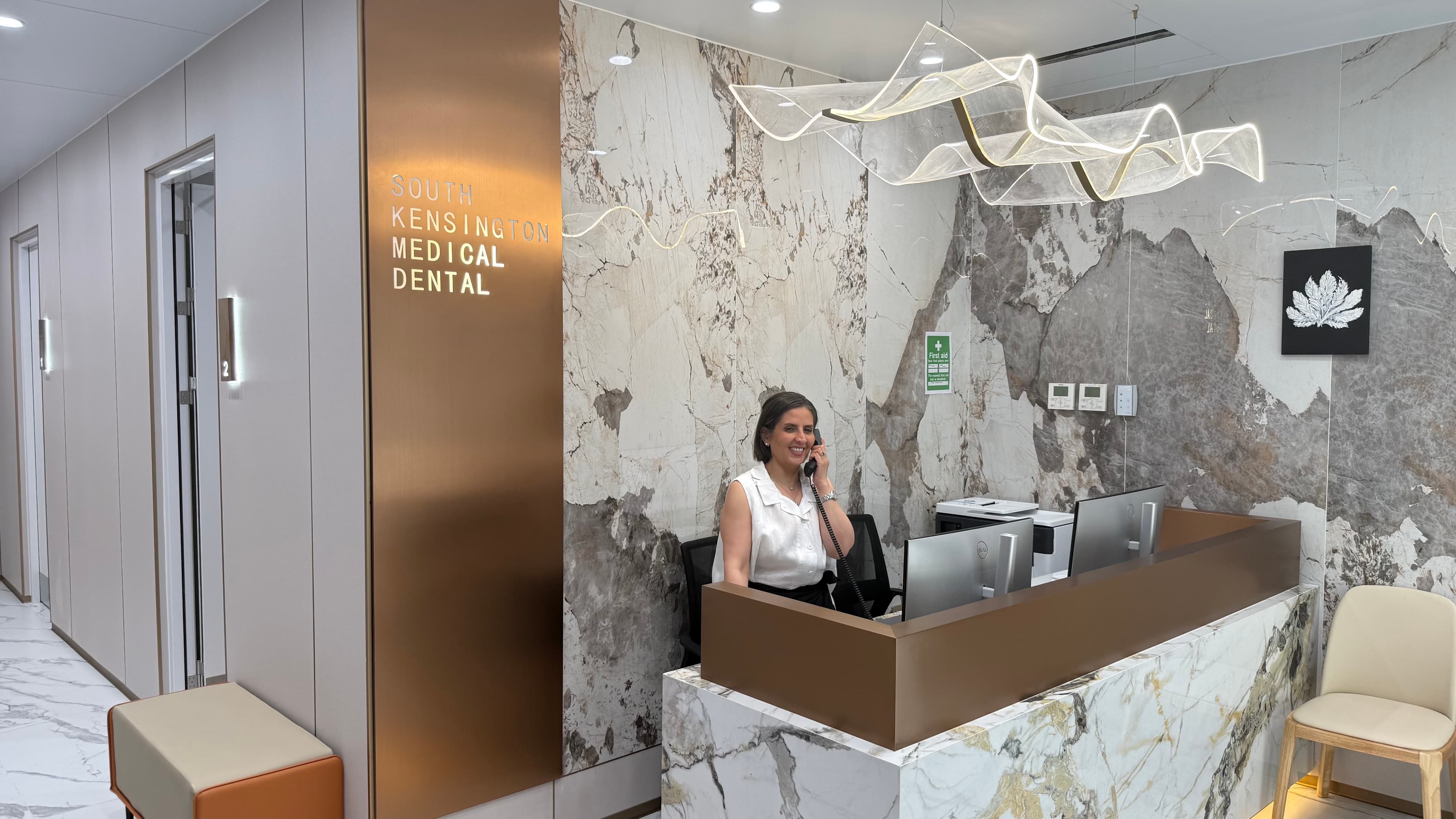
Assessment and treatment planning for periodontitis and other dental concerns are available at our London clinic, where professional evaluation can help determine appropriate care options.
South Kensington
Now Open20 Old Brompton Road, South Kensington, London SW7 3DL
Mon & Wed: 9 am – 6 pm
Tue & Thu: 9 am – 8 pm
Fri: 9 am – 5 pm
Sat & Sun: 10 am – 4 pm
1 min from South Kensington tube (District, Circle & Piccadilly)
City of London
Now Open5 Ave Maria Lane, City of London, London EC4M 7AQ
Mon – Thu: 8 am – 6 pm
Fri: 8 am – 2 pm
Sat & Sun: Closed
3 min from St Paul's tube (Central line) · 5 min from Blackfriars
Common Questions
Periodontitis FAQ
Your Dental Team
Experienced Dentists & Hygienists
All our clinicians are GDC registered. Our hygienists specialise in periodontal care, working alongside our dentists to manage gum disease effectively.

Jack Button
Dental Hygienist
GDC: 244367

Laila Alhussein
Dental Hygienist
GDC: 328882

Dr. Yasha Y Shirazi
Principal Dentist & Clinical Director
GDC: 195843

Dr. Reza Davari
Dentist
GDC: 302422
Patient Reviews
What Our Patients Say
Related Services
Related Treatments & Conditions
Periodontitis is closely linked to other oral health conditions and treatments. Explore related services below.
Registered · Regulated · Trusted
Your Safety Is Our Priority
Our South Kensington and City of London clinics are regulated by the Care Quality Commission (CQC) and all our clinicians are registered with the General Dental Council (GDC).
CQC Regulated
Both clinics
GDC Registered
All clinicians
4.9/5 Rating
Google Reviews
CQC Provider: Medical and Dental Limited · Registration No. 1-20629579981
Assessment for Periodontitis
Concerned About Advanced Gum Disease?
If you are concerned about advanced gum disease or notice symptoms such as bleeding, gum recession, or loose teeth, a professional dental assessment can help identify periodontitis and determine appropriate treatment options based on your individual needs.