Tooth Decay (Dental Caries)
Causes, Symptoms & Treatment
Tooth decay is a common dental condition affecting the structure of the tooth. It occurs when bacteria produce acids that break down tooth enamel over time. Decay may develop gradually and may not always cause early symptoms — affecting individuals of all ages. A professional dental assessment is important to detect and manage decay appropriately.
New Patient Examination
Only £30 £95for new patients
Understanding the Concern
What Is Tooth Decay (Dental Caries)?
Tooth decay — clinically known as dental caries — is the breakdown of tooth structure caused by acids produced by bacteria in dental plaque. When sugars from the diet are broken down by these bacteria, the resulting acids gradually erode the enamel.
Decay typically begins in the enamel — the hard outer layer of the tooth — and if left unaddressed can progress to deeper layers, including the dentine and ultimately the pulp where the nerve and blood vessels sit.
Early stages may not be visible or painful, which is why routine examinations are important. Dentists can often detect early changes — such as white-spot lesions or areas of demineralisation — long before they cause symptoms.
Advanced decay can affect dentine and pulp, potentially leading to pain, infection and the need for more involved treatment. Clinical evaluation helps determine stage and severity to guide appropriate management.
Symptoms & Signs
White, brown or dark spots on the tooth
Early enamel changes may appear as white, chalky spots or later darken to brown or black as decay progresses.
Sensitivity to hot, cold or sweet foods
Fleeting sensitivity when consuming hot, cold or sweet items can indicate that decay has reached the dentine layer beneath the enamel.
Toothache or discomfort
Spontaneous or triggered tooth pain may develop as decay advances closer to the nerve of the tooth.
Visible holes or cavities
Obvious pits, holes or broken areas in the tooth surface indicate established decay that has caused loss of tooth structure.
Pain when biting
Sharp discomfort on biting or chewing may develop in more advanced decay — particularly where the tooth has weakened or partially fractured.
Bad breath in some cases
Persistent bad breath or an unpleasant taste may occasionally accompany more significant decay, particularly where cavities harbour bacteria.
Symptoms vary depending on the stage of decay. Many early cavities are detected only during routine dental examination — before symptoms develop.
Contributing Factors
Common Causes of Tooth Decay
Tooth decay is typically multifactorial. Multiple factors may contribute simultaneously — identifying these is an important part of tailored preventive and restorative care.
Plaque build-up on teeth
Dental plaque — a sticky film of bacteria — produces acids that gradually erode tooth enamel. Inadequate plaque removal is one of the most significant contributing factors in the development of decay.
Frequent sugary or acidic foods and drinks
Frequent consumption of sugary or acidic foods and drinks provides bacteria with a steady source of fuel and directly weakens enamel. Frequency rather than total quantity is often the key factor.
Inadequate oral hygiene
Incomplete brushing, skipped interdental cleaning or poor technique allows plaque to accumulate in areas that are harder to reach — contributing to decay in those vulnerable sites.
Dry mouth reducing saliva
Saliva plays a protective role by neutralising acids and supporting remineralisation. Reduced salivary flow — whether from medication, medical conditions or dehydration — can increase decay risk.
Tooth positioning
Crowded, rotated or overlapping teeth create areas that are more difficult to clean thoroughly, making them more susceptible to plaque accumulation and subsequent decay.
Lack of regular dental check-ups
Routine examinations allow early decay to be identified and addressed before it progresses. Extended gaps between appointments can allow cavities to develop unnoticed.
Why It Matters
Potential Risks if Not Addressed
When tooth decay is left unmanaged, it tends to progress into deeper tooth layers — from the enamel into the softer dentine and, eventually, towards the pulp. The further decay progresses, the more complex subsequent treatment typically becomes.
Progression is often accompanied by increased pain or sensitivity, particularly to hot, cold or sweet foods. Where decay reaches the pulp, bacteria can trigger inflammation and infection — potentially leading to a dental abscess that may require root canal treatment.
Advanced decay results in structural weakening of the tooth — increasing the risk of fractures and, ultimately, potential tooth loss. Early identification and appropriate management help preserve tooth structure and support long-term oral health.
Your Options
Treatment Options for Tooth Decay
Treatment depends on clinical assessment. Management varies based on severity, and a personalised treatment plan is recommended following professional examination.
Fluoride Treatments
For the earliest stages of enamel demineralisation, professional fluoride applications and tailored home care may help arrest or remineralise very early decay.
Learn MoreWhite Fillings
Tooth-coloured composite fillings restore decayed areas once cavities have formed — replacing lost tooth structure and helping prevent further progression.
Learn MoreInlays & Onlays
For moderate damage where a filling may not be sufficient, custom-made inlays or onlays can restore the tooth while preserving more natural structure than a full crown.
Learn MoreDental Crowns
Where decay has caused extensive loss of tooth structure, a crown may be recommended to protect and restore the tooth.
Learn MoreRoot Canal Treatment
If decay has reached the pulp and caused infection or irreversible inflammation, root canal treatment may be recommended to save the tooth.
Learn MoreTooth Removal
Where a tooth cannot be saved, removal may be the most appropriate option — followed by discussion of replacement options to restore function and appearance.
Learn MoreYour First Step
Importance of Professional Dental Assessment
Tooth decay can progress without obvious symptoms, particularly in its earlier stages. Routine examination plays an important role in identifying decay before it causes pain, structural damage or complications.
Clinical examination allows detection of both early and advanced stages of decay. X-rays may be used where appropriate to visualise areas not accessible to direct inspection — such as between teeth or beneath existing restorations.
Treatment planning is tailored to individual needs — considering the location, extent and severity of any decay, along with your wider oral health and preventive risk factors. Early assessment may help prevent complications and support more conservative management.
What to Expect
- 1Discussion of any symptoms you have noticed — such as sensitivity, discomfort, visible changes in a tooth or any concerns about specific areas
- 2Review of your medical history, current medications, dental history and any relevant dietary or lifestyle factors that may influence decay risk
- 3Clinical examination of all teeth — checking for visible signs of decay, existing restorations and any areas of concern
- 4X-rays where appropriate — allowing detection of decay between teeth, beneath existing fillings or in areas not visible on direct inspection
- 5Assessment of your individual decay risk — including plaque levels, oral hygiene, diet, saliva flow and any protective factors
- 6Personalised treatment plan — outlining any recommended restorative treatment alongside preventive advice tailored to your risk profile
Two Convenient Locations
Visit Us in Central London
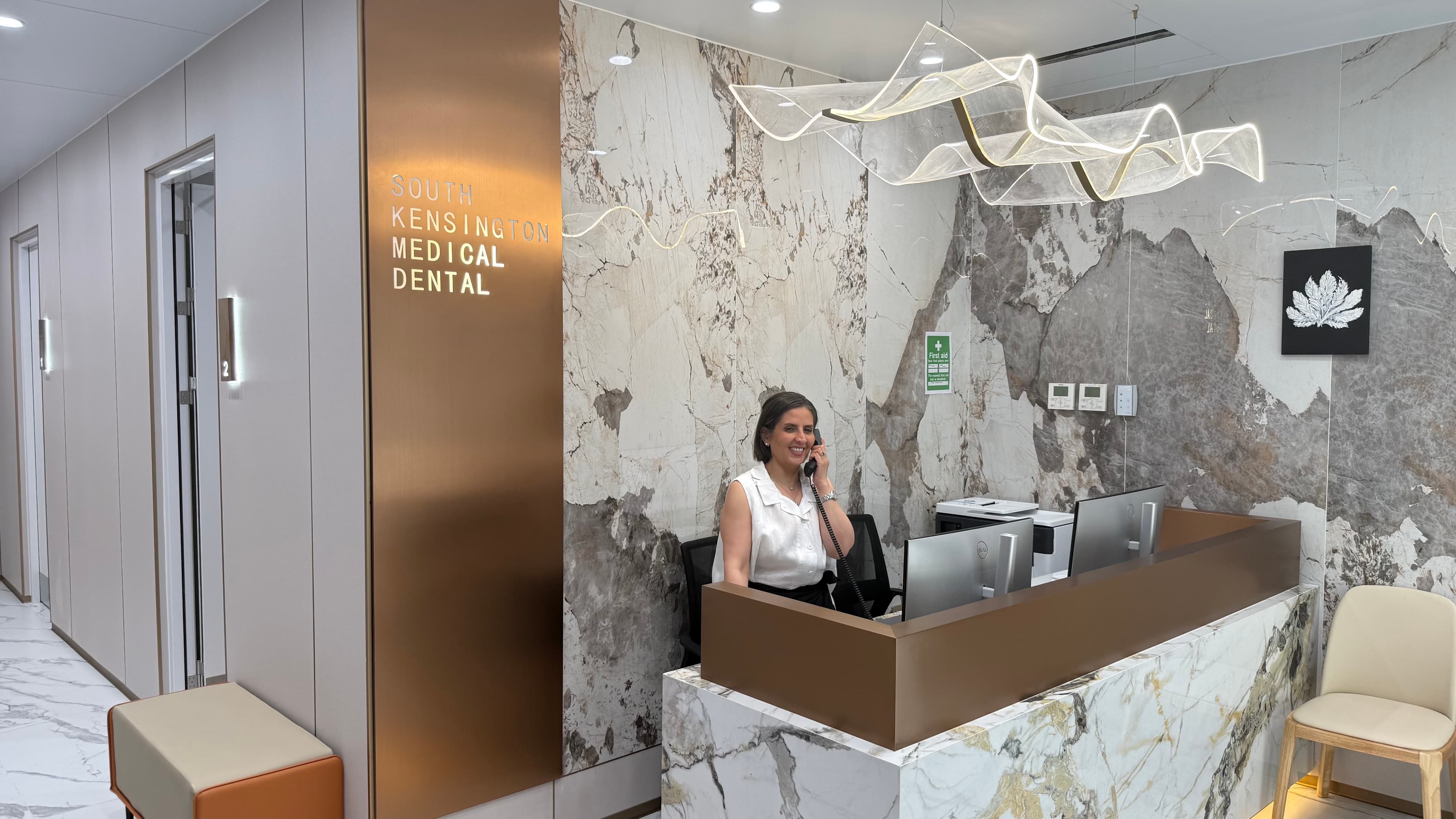
Assessment and treatment planning for tooth decay and other dental concerns are available at our London clinic, where professional evaluation can help determine appropriate care options.
South Kensington
Now Open20 Old Brompton Road, South Kensington, London SW7 3DL
Mon & Wed: 9 am – 6 pm
Tue & Thu: 9 am – 8 pm
Fri: 9 am – 5 pm
Sat & Sun: 10 am – 4 pm
1 min from South Kensington tube (District, Circle & Piccadilly)
City of London
Now Open5 Ave Maria Lane, City of London, London EC4M 7AQ
Mon – Thu: 8 am – 6 pm
Fri: 8 am – 2 pm
Sat & Sun: Closed
3 min from St Paul's tube (Central line) · 5 min from Blackfriars
Common Questions
Tooth Decay FAQ
Your Dental Team
Experienced Dentists
All our clinicians are GDC registered. Our dental team is experienced in assessing and managing tooth decay at all stages — from early preventive care to complex restorative work.

Dr. Yasha Y Shirazi
Principal Dentist & Clinical Director
GDC: 195843

Dr. Reza Davari
Dentist
GDC: 302422

Dr. Kamran Yazdi
Dentist
GDC: 197926

Dr. Andreia Phipps
Dentist
GDC: 229601
Patient Reviews
What Our Patients Say
Related Services
Related Treatments & Services
Registered · Regulated · Trusted
Your Safety Is Our Priority
Our South Kensington and City of London clinics are regulated by the Care Quality Commission (CQC) and all our clinicians are registered with the General Dental Council (GDC).
CQC Regulated
Both clinics
GDC Registered
All clinicians
4.9/5 Rating
Google Reviews
CQC Provider: Medical and Dental Limited · Registration No. 1-20629579981
Assessment for Tooth Decay
Concerned About Tooth Decay?
If you are concerned about tooth decay or notice changes in your teeth, a professional dental assessment can help identify the condition and determine appropriate treatment options based on your individual needs.