
Wisdom Tooth Pain
Pericoronitis & Treatment
Wisdom tooth pain is a common concern, often linked to emerging or impacted third molars. Pericoronitis — inflammation of the gum tissue around a partially erupted tooth — can range from mild discomfort to more persistent pain affecting surrounding teeth, jaw and gum tissue. A professional dental assessment is important to identify the cause and determine appropriate management.
New Patient Examination
Only £30 £95for new patients
Understanding the Concern
What Is Wisdom Tooth Pain (Pericoronitis)?
Wisdom tooth pain refers to discomfort associated with the third molars — the last teeth to erupt, typically in the late teens or early twenties. Because they emerge in an often crowded part of the jaw, they commonly develop problems as they try to come through.
Pericoronitis is inflammation of the gum tissue around a partially erupted tooth. Where part of the wisdom tooth has broken through the gum but the rest remains covered, a flap of tissue sits over the crown — creating a pocket that is hard to clean.
Bacteria can accumulate beneath the gum flap, alongside food debris, triggering an inflammatory response. This can range from mild tenderness through to more pronounced pain, swelling and functional difficulty opening the mouth.
Because these areas are difficult to clean, the risk of irritation or infection increases. Clinical evaluation — often combined with imaging — helps determine severity and the underlying cause, guiding appropriate management for your individual situation.
Symptoms & Warning Signs
Pain or tenderness at the back of the mouth
Typically localised around the affected wisdom tooth and adjacent gum. Discomfort may be constant or triggered by eating, opening the mouth or brushing.
Swelling of the gum around the tooth
The gum flap overlying a partially erupted wisdom tooth may appear red, inflamed and swollen — sometimes making the area visible in the mirror.
Difficulty opening the mouth
Inflammation of surrounding muscles and tissues can temporarily limit how wide the mouth opens — a symptom known as trismus, which warrants prompt assessment.
Pain when chewing or biting
Biting down can compress the inflamed gum flap, triggering sharp pain. This can make eating on the affected side difficult or uncomfortable.
Redness and gum irritation
The gum around the tooth may appear noticeably redder than surrounding tissues and feel tender to touch or when brushing in the area.
Bad taste or unpleasant odour
Bacterial activity beneath the gum flap can produce a persistent bad taste or breath odour — often a useful indicator of infection or inflammation in the area.
Cheek or jaw swelling
In more pronounced cases, swelling can extend beyond the gum to involve the cheek or jaw area. Significant or spreading swelling requires prompt professional assessment.
Symptoms vary depending on severity. If pain is severe, swelling is spreading or you have difficulty swallowing or opening your mouth, seek prompt professional assessment.
Contributing Factors
Common Causes of Wisdom Tooth Pain
Wisdom tooth pain usually has more than one contributing factor. Understanding the main causes supports accurate assessment and clear treatment planning.
Partial eruption of wisdom teeth
When a wisdom tooth emerges only partially through the gum, a flap of tissue often remains overlying part of the crown — creating a space where food and bacteria can collect and irritate the gum.
Impacted wisdom teeth
Teeth that do not fully emerge may press against neighbouring teeth or the jawbone. Impaction can contribute to pain, pressure and ongoing difficulty cleaning the area effectively.
Plaque and food debris build-up
Because wisdom teeth sit at the back of the mouth, they are often harder to clean thoroughly. Plaque and food debris beneath the gum flap are common contributors to pericoronitis.
Gum infection or inflammation
Bacterial accumulation in the tissues around a partially erupted tooth can lead to localised inflammation or infection, producing pain, swelling and associated symptoms.
Pressure from adjacent teeth
Wisdom teeth can push against neighbouring molars as they try to erupt. This pressure may contribute to discomfort and occasionally affect the health of adjacent teeth.
Limited space in the jaw
Where there is insufficient room at the back of the jaw for the wisdom tooth to emerge properly, it may erupt at an angle, become impacted or only partially appear — increasing the risk of associated problems.
Why It Matters
Potential Risks if Not Addressed
Recurrent infection or inflammation is a common concern with pericoronitis. Episodes may settle temporarily but return whenever plaque accumulates beneath the gum flap — a pattern that often prompts a more thorough assessment.
Untreated pericoronitis can also lead to increased pain and swelling over time. What begins as localised tenderness may progress into more significant discomfort, with visible swelling of the gum, cheek or jaw.
More serious cases may involve spread of infection into surrounding tissues. This is why significant swelling, spreading redness, fever or difficulty swallowing is treated as urgent — a prompt emergency review is advised in these situations, and in any case of airway concern, medical help should be sought immediately.
Inflamed and tender areas make maintaining oral hygiene more difficult. Reduced cleaning increases plaque build-up further, which can compound the problem and contribute to decay in the wisdom tooth or neighbouring molar.
There may also be an impact on neighbouring teeth. Impacted wisdom teeth pressing against the tooth in front can contribute to discomfort or — in some cases — localised infection and decay in adjacent teeth.
Your Options
Treatment Options for Wisdom Tooth Pain
Treatment depends on clinical assessment. Management varies based on diagnosis, and a personalised treatment plan is recommended following professional examination.
Cleaning & Local Care
Professional cleaning of the affected area helps reduce plaque and debris beneath the gum flap. Hygiene advice supports improved cleaning between visits.
Learn MoreManaging Infection & Inflammation
Treatment of active infection or inflammation is tailored to clinical findings. Antibiotics are prescribed only where indicated, and always alongside local treatment.
Learn MoreMonitoring Impacted Teeth
Where wisdom teeth are stable and free of symptoms, careful monitoring with periodic review and imaging may be the most appropriate long-term approach.
Learn MoreWisdom Tooth Removal
Where clinically justified — for recurrent pericoronitis, extensive decay or damage to neighbouring teeth — removal may be considered, discussed in full with imaging and risk explanation.
Learn MoreEmergency Dental Care
Severe pain, significant swelling or rapid worsening warrants prompt assessment. Emergency appointments are available to examine, diagnose and provide appropriate initial treatment.
Learn MoreOut-of-Hours Support
For urgent wisdom tooth symptoms outside normal working hours, an out-of-hours dental service provides access to professional advice and appropriate review.
Learn MoreYour First Step
Importance of Professional Dental Assessment
Wisdom tooth conditions vary in severity — from mild, self-limiting irritation through to significant infection requiring urgent attention. Professional assessment helps place your symptoms in context.
Examination helps assess position and surrounding tissues. A dentist will check how far the tooth has erupted, the condition of the gum flap, neighbouring teeth, and any evidence of swelling or restricted opening.
X-rays may be used where appropriate to evaluate the root position, relationship to nerves and sinuses, and degree of impaction. Imaging supports informed discussion about management options.
Treatment planning is tailored to individual needs, combining clinical findings with your preferences and circumstances. Early assessment may reduce complications by allowing timely intervention where needed.
What to Expect
- 1Discussion of your symptoms — including how and when pain began, severity, duration, any swelling, taste changes or difficulty opening the mouth
- 2Review of your medical and dental history — including previous wisdom tooth problems, medications, allergies and any previous dental imaging
- 3Clinical examination of the mouth — assessing the wisdom tooth, gum flap, surrounding tissues, neighbouring teeth and range of jaw movement
- 4Dental imaging where appropriate — usually a panoramic x-ray to assess tooth position, root form and relationship to nearby structures
- 5Explanation of findings — including a clear diagnosis, likely cause of symptoms and whether the situation is routine or requires more urgent management
- 6Personalised plan — covering options from conservative care through to possible referral for removal, with full explanation of benefits, risks and costs
Two Convenient Locations
Visit Us in Central London
Assessment and treatment planning for wisdom tooth pain and other dental concerns are available at our London clinic, where professional evaluation can help determine appropriate care options.
South Kensington
Now Open20 Old Brompton Road, South Kensington, London SW7 3DL
Mon & Wed: 9 am – 6 pm
Tue & Thu: 9 am – 8 pm
Fri: 9 am – 5 pm
Sat & Sun: 10 am – 4 pm
1 min from South Kensington tube (District, Circle & Piccadilly)
City of London
Now Open5 Ave Maria Lane, City of London, London EC4M 7AQ
Mon – Thu: 8 am – 6 pm
Fri: 8 am – 2 pm
Sat & Sun: Closed
3 min from St Paul's tube (Central line) · 5 min from Blackfriars
Common Questions
Wisdom Tooth Pain FAQ
Your Dental Team
Experienced Dentists
All our clinicians are GDC registered. Our dental team is experienced in assessing wisdom tooth problems and referring for surgical management where clinically appropriate.

Dr. Yasha Y Shirazi
Principal Dentist & Clinical Director
GDC: 195843
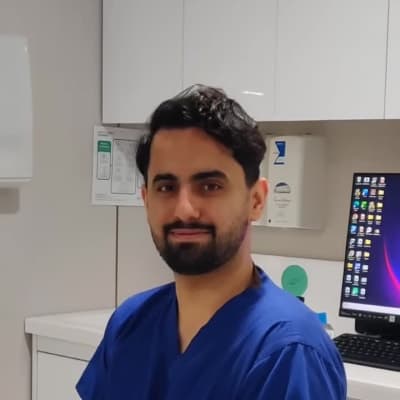
Dr. Reza Davari
Dentist
GDC: 302422

Dr. Kamran Yazdi
Dentist
GDC: 197926

Dr. Andreia Phipps
Dentist
GDC: 229601
Patient Reviews
What Our Patients Say
Related Services
Related Treatments & Services
Registered · Regulated · Trusted
Your Safety Is Our Priority
Our South Kensington and City of London clinics are regulated by the Care Quality Commission (CQC) and all our clinicians are registered with the General Dental Council (GDC).
CQC Regulated
Both clinics
GDC Registered
All clinicians
4.9/5 Rating
Google Reviews
CQC Provider: Medical and Dental Limited · Registration No. 1-20629579981
Assessment for Wisdom Tooth Pain
Experiencing Wisdom Tooth Pain?
If you are experiencing wisdom tooth pain or symptoms of pericoronitis, a professional dental assessment can help identify the cause and determine appropriate treatment options based on your individual needs.