Underbite
Causes, Symptoms & Treatment
An underbite occurs when the lower front teeth sit in front of the upper front teeth. It is a type of malocclusion — or bite misalignment — that can affect chewing, speaking and overall comfort. Underbites can be mild or more pronounced depending on jaw and tooth position. A professional dental assessment is important to identify contributing factors and determine appropriate management.
New Patient Examination
Only £30 £95for new patients
Understanding the Concern
What Is an Underbite?
An underbite refers to a forward positioning of the lower teeth relative to the upper teeth when the jaw is closed. Rather than the upper front teeth sitting slightly in front of the lowers — the typical pattern — the reverse is seen.
An underbite may involve dental positioning, jaw structure, or both. Some are primarily dental in origin, arising from how the teeth are angled. Others are skeletal, reflecting differences in the size or position of the jaws themselves.
It can vary in severity — from a very slight forward position of one or two teeth through to a more pronounced relationship that is clearly visible and influences the overall profile of the face.
An underbite may affect both function and appearance. Some patients come for assessment because of practical concerns around chewing, wear or jaw comfort, while others are primarily focused on how the bite looks. Clinical evaluation helps determine the extent and type so that appropriate advice can be provided.
Symptoms & Warning Signs
Lower teeth sit in front of upper teeth
The most visible sign of an underbite — typically noticed when smiling or biting down, where the lower front teeth cover part or all of the upper front teeth.
Difficulty biting or chewing efficiently
Some patients notice difficulty biting into certain foods or chewing effectively because the teeth do not meet in the expected pattern.
Jaw discomfort or fatigue
Uneven loading on the jaw muscles and joints can contribute to aching, fatigue or tension, particularly after eating or towards the end of the day.
Speech differences in some cases
More pronounced underbites can occasionally affect the way certain sounds are formed — something often noticed by patients themselves or a speech therapist.
Tooth wear in specific areas
Because the teeth contact differently, localised wear patterns can develop on particular teeth or edges over time, which may be visible during examination.
Facial profile changes
In more pronounced cases, the lower jaw may appear more prominent, subtly altering the overall facial profile — something some patients also notice cosmetically.
Symptoms vary depending on severity. A professional assessment helps establish how an underbite is affecting your function and appearance.
Different Presentations
Types of Underbite
Underbites can be mild or pronounced, and arise from the position of the teeth, the jaws, or a combination. Identifying the type helps guide appropriate management.
Mild underbite
Slight forward positioning of the lower front teeth. Often identified during routine examination and may not always require active treatment.
Moderate to severe underbite
More noticeable misalignment where the lower teeth sit clearly in front of the uppers. May affect bite function, aesthetics and wear patterns.
Skeletal underbite
Arises primarily from differences in the size or position of the jaws. Often has a familial or genetic component and may benefit from specialist input.
Dental underbite
Arises primarily from tooth positioning rather than jaw structure — often more amenable to orthodontic management alone.
Contributing Factors
Common Causes and Contributing Factors
Underbite is usually multifactorial, with genetic, developmental and environmental factors combining. Understanding contributing factors supports clearer treatment planning.
Genetic or developmental factors
Underbite often has a familial component — jaw shape, size and relative growth patterns are strongly influenced by inherited factors, which help explain why it can run in families.
Differences in jaw growth
During childhood and adolescence, the upper and lower jaws grow at different rates. When this relationship varies from the typical pattern, an underbite can gradually develop or become more pronounced.
Tooth positioning or crowding
Even where the jaws are in a normal relationship, the angle or position of the front teeth themselves can produce a dental underbite without any underlying skeletal difference.
Childhood habits
Prolonged thumb sucking, dummy use or tongue posture habits during formative years can influence how teeth and jaws develop, occasionally contributing to an underbite pattern.
Previous dental work
Lost teeth, older restorations or crowns, or historic orthodontic changes can gradually alter how the teeth meet over time, sometimes contributing to bite changes in later years.
Trauma or injury
A significant injury to the jaw or face during childhood growth, or occasionally in adulthood, can influence jaw alignment and bite development and should be assessed professionally.
Why It Matters
Potential Risks if Not Addressed
Where the teeth do not meet in the expected pattern, uneven tooth wear can develop over time. Certain teeth or edges may bear more load than they are designed for, contributing to chipping, flattening or accelerated wear that is often more visible on front teeth.
An underbite can also place increased strain on teeth and jaw. The muscles controlling jaw movement work in an unbalanced way, which over years can contribute to fatigue, discomfort and occasional clicking or tenderness around the jaw joints.
Some patients experience difficulty chewing certain foods, jaw discomfort or TMJ-related symptoms. Where bite issues coexist with grinding or clenching, these patterns can compound each other.
Bites can also change over time, particularly where contributing habits, wear or tooth loss occur. Early identification of an underbite tendency may allow simpler options to be considered; leaving it unaddressed can occasionally lead to a need for more complex treatment if the condition progresses.
Your Options
Treatment and Management Options
Treatment depends on clinical assessment. Management varies based on cause, and a personalised approach is recommended following examination.
Monitoring Mild Cases
Where an underbite is mild and has no functional impact, careful monitoring at routine check-ups may be the most appropriate approach — with clear advice about what to look out for.
Learn MoreOrthodontic Review
An orthodontic assessment helps determine whether dental alignment can be improved with braces or aligners, and whether specialist referral is appropriate for more complex cases.
Learn MoreDental Appliances
Where indicated, custom appliances may be used to help guide bite relationships or protect the teeth from the effects of an unbalanced bite, particularly where grinding coexists.
Learn MoreProtective Guards
Where underbite coexists with contact sports participation, a professionally made sports guard helps protect teeth and soft tissues from impact-related damage.
Learn MoreRestorative Adjustments
Adjustment or replacement of older restorations and crowns may help improve how the teeth meet, reducing strain where specific teeth or restorations are a contributing factor.
Learn MoreSpecialist Referral
Pronounced skeletal underbites may benefit from combined orthodontic and specialist jaw assessment. Referral to an appropriate specialist is arranged clearly and carefully.
Learn MoreYour First Step
Importance of Professional Dental Assessment
Underbite severity varies between individuals — from very subtle forward positioning of one or two lower teeth through to more obvious jaw-related differences. Professional assessment helps place your situation in context and distinguish what is clinically significant.
Examination helps assess tooth and jaw alignment. Careful review of how your teeth meet, the size and position of the jaws, and the way the muscles function supports a clear understanding of the pattern — and whether treatment may be beneficial.
The functional impact on chewing and speech can be evaluated alongside aesthetic concerns. Many patients want to understand both whether an underbite is affecting their oral health now, and whether it is likely to in the future.
Early identification may help guide management, particularly in younger patients where jaw growth is still ongoing. For adults, treatment planning is tailored to individual needs — including preferences about function, aesthetics and the extent of treatment considered appropriate.
What to Expect
- 1Discussion of your concerns — including when the underbite was first noticed, any functional difficulties with chewing or speech and any cosmetic considerations
- 2Review of your medical, dental and family history — including any relevant childhood habits, previous orthodontic treatment and any family pattern of similar bites
- 3Clinical examination of the teeth, gums and bite — assessing tooth positioning, wear patterns and how the upper and lower teeth meet in function
- 4Evaluation of the jaw muscles and joints — checking for tenderness, clicking, restricted movement or signs of unbalanced function
- 5Photographs and study models or digital scans where appropriate — providing a baseline record and supporting detailed treatment planning
- 6Personalised plan — outlining options from simple monitoring through to orthodontic or specialist referral, with clear information about benefits and considerations
Two Convenient Locations
Visit Us in Central London
Assessment and treatment planning for underbite and other dental concerns are available at our London clinic, where professional evaluation can help determine appropriate care options.
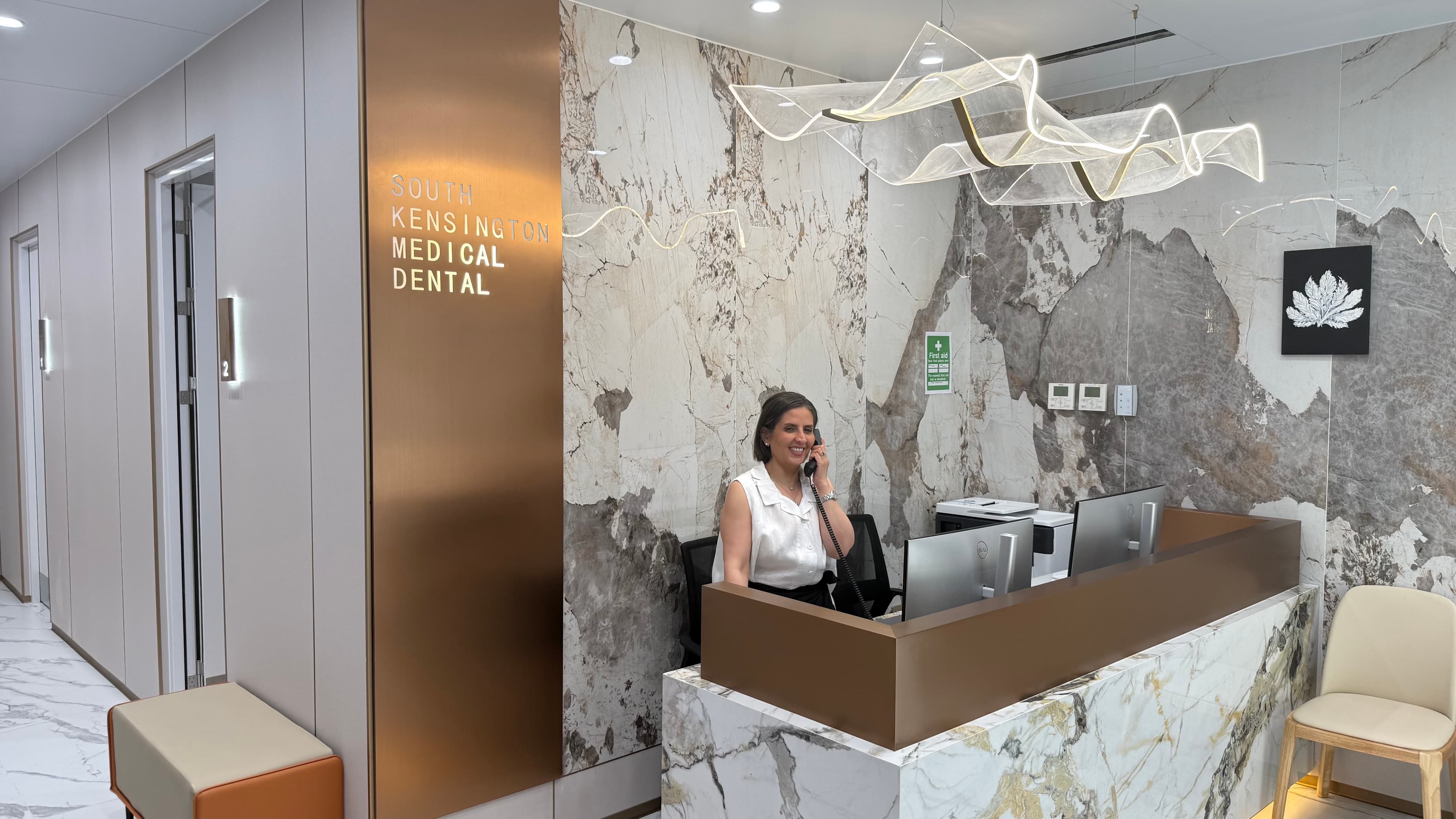
South Kensington
Now Open20 Old Brompton Road, South Kensington, London SW7 3DL
Mon & Wed: 9 am – 6 pm
Tue & Thu: 9 am – 8 pm
Fri: 9 am – 5 pm
Sat & Sun: 10 am – 4 pm
1 min from South Kensington tube (District, Circle & Piccadilly)
City of London
Now Open5 Ave Maria Lane, City of London, London EC4M 7AQ
Mon – Thu: 8 am – 6 pm
Fri: 8 am – 2 pm
Sat & Sun: Closed
3 min from St Paul's tube (Central line) · 5 min from Blackfriars
Common Questions
Underbite FAQ
Your Dental Team
Experienced Dentists
All our clinicians are GDC registered. Our dental team is experienced in assessing bite alignment and referring appropriately when specialist orthodontic care is advised.

Dr. Yasha Y Shirazi
Principal Dentist & Clinical Director
GDC: 195843

Dr. Reza Davari
Dentist
GDC: 302422

Dr. Kamran Yazdi
Dentist
GDC: 197926

Dr. Andreia Phipps
Dentist
GDC: 229601
Patient Reviews
What Our Patients Say
Related Services
Related Treatments & Services
Registered · Regulated · Trusted
Your Safety Is Our Priority
Our South Kensington and City of London clinics are regulated by the Care Quality Commission (CQC) and all our clinicians are registered with the General Dental Council (GDC).
CQC Regulated
Both clinics
GDC Registered
All clinicians
4.9/5 Rating
Google Reviews
CQC Provider: Medical and Dental Limited · Registration No. 1-20629579981
Assessment for Underbite
Concerned About Your Bite?
If you have concerns about your bite or have noticed your lower teeth sitting in front of your upper teeth, a professional dental assessment can help identify possible causes and determine appropriate management options based on your individual needs.