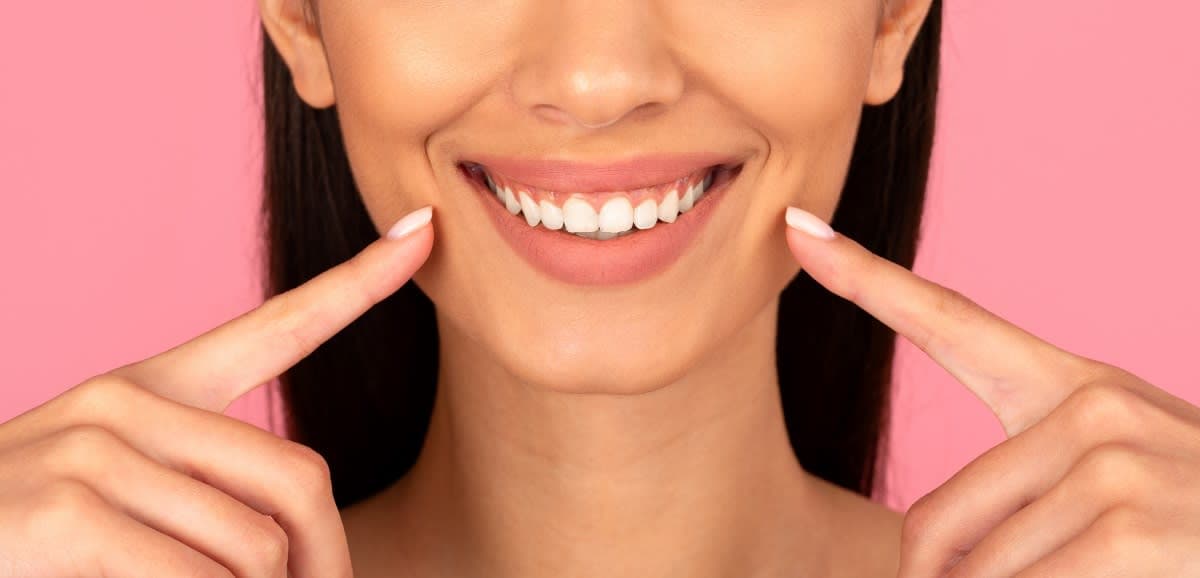
If you have ever sat through a video call and found yourself staring at your own face more than listening to the meeting, you are not alone. The rise of video conferencing — for work, social catch-ups, and everything in between — has fundamentally changed how often we see ourselves in real time. And for many adults, that increased self-awareness has brought one feature into sharp focus: their teeth.
The phenomenon of video calls driving adult orthodontics has become one of the most talked-about trends in modern dentistry. Clinics across London have reported a significant increase in enquiries from patients who cite video calls as the moment they first noticed — or became bothered by — the alignment of their smile. Whether it is mild crowding, a gap that appeared over the years, or a single tooth that seems out of place, the small rectangle of a webcam view can make these features feel more prominent.
This article explores why video calls have had such an impact on dental awareness, the psychology behind the Zoom effect, the treatment options available for adults who want to address alignment concerns, and what to consider before starting treatment. Understanding the trend helps separate a momentary reaction from a genuine desire for change.
What Is the Zoom Effect on Teeth?
The Zoom effect refers to the heightened self-awareness of facial features — particularly the teeth and smile — caused by regularly seeing oneself on video calls. Unlike a quick glance in a bathroom mirror, video conferencing places your face in front of you for extended periods, often from unfamiliar angles and under inconsistent lighting. This prolonged exposure can amplify features that patients might not otherwise have noticed or been concerned about.
Several technical factors contribute to this effect. Webcam lenses produce a slight wide-angle distortion that can make the centre of the face — including the mouth — appear more prominent. Overhead or side lighting can cast shadows that emphasise gaps, crowding, or asymmetry. The tendency to focus on one's own video feed during meetings creates a kind of forced self-scrutiny that does not occur during normal face-to-face interaction.
It is worth noting that what you see on a video call is not always an accurate representation of how others see you. Camera positioning, lens distortion, and screen resolution all influence the image. However, for many adults, the Zoom effect serves as a genuine catalyst — bringing long-standing alignment concerns to the surface and motivating them to explore their options.
The trend is not about creating insecurity. Rather, it reflects a practical reality: people who spend hours each week looking at their own face are more likely to act on dental concerns they may have been quietly thinking about for years.
Why Video Calls Have Increased Demand for Adult Orthodontics
The connection between video conferencing and adult orthodontic enquiries is supported by data from dental clinics and industry surveys. Since 2020, demand for teeth straightening among adults has increased substantially, with many patients specifically mentioning video calls as a motivating factor.
Several reasons explain why this trend has proven so persistent, even as in-person working has partially resumed:
Hybrid working is here to stay. Most professionals now split their time between office and home, meaning video calls remain a daily fixture. The self-awareness they create has not diminished — it has become a permanent part of professional life.
Social media and digital communication. Beyond work, adults communicate through video messages, social media, and digital platforms where their face is visible. The cumulative effect of seeing oneself across multiple digital contexts reinforces awareness of dental concerns.
Accessibility of information. The same technology that creates awareness also provides easy access to information. Adults who notice their teeth on a call can immediately research treatment options, read patient experiences, and explore what modern orthodontics offers — all from their phone or laptop.
Discreet treatment availability. Knowing that virtually invisible treatment options exist lowers the barrier to action. Adults who might have dismissed braces as impractical or too visible are reassured by the existence of clear aligner systems that fit seamlessly into their professional lives.
The Psychology Behind Noticing Your Smile
Understanding why the Zoom effect is so powerful requires a brief look at the psychology of self-perception. In everyday life, we see our reflection briefly — when brushing teeth, checking appearance before leaving the house, or catching a glimpse in a shop window. These interactions are fleeting and typically occur at a familiar angle.
Video calls change this dynamic entirely. The sustained, real-time view of your own face from a slightly different angle creates what psychologists call heightened self-focused attention. Studies have shown that prolonged exposure to one's own image increases awareness of perceived flaws and can temporarily lower self-confidence.
For dental concerns specifically, the Zoom effect is amplified by several factors. The mouth is naturally a focal point during conversation — viewers tend to look at the speaker's mouth as well as their eyes. When you watch yourself speaking, you are drawn to the same area. Crowding, gaps, discolouration, or asymmetry that blends into the background during normal interaction becomes more noticeable when framed by a screen.
It is important to approach these feelings with perspective. A momentary reaction to your appearance on camera is normal and does not necessarily mean treatment is needed. However, if concerns about your teeth have been building over time and the Zoom effect has simply brought them into focus, exploring your options through a professional consultation can provide clarity and help you make an informed decision. Many working professionals are also discovering how executive smile design can support career confidence.
What Clinical Factors Affect Teeth Alignment Over Time?
Many adults who notice their teeth on video calls are surprised to find that their alignment has changed since their younger years. This is entirely normal — teeth continue to move throughout life, and several clinical factors contribute to this gradual shift.
Mesial drift is the natural tendency for teeth to move slowly forwards and towards the centre of the mouth over time. This process occurs in all adults and can contribute to increasing crowding in the lower front teeth, which is one of the most commonly noticed changes.
Loss of periodontal support. The bone and gum tissue surrounding the teeth provide structural stability. If gum disease causes bone loss — even at a subclinical level — teeth may become more mobile and shift position gradually.
Wisdom tooth pressure. While debated in orthodontic literature, the eruption or partial eruption of wisdom teeth can contribute to crowding in some patients by adding pressure to the dental arch.
Changes in jaw growth. The lower jaw can continue subtle growth into adulthood, and changes in the relationship between the upper and lower jaws can influence how the teeth meet.
Loss of retainer wear. Adults who had orthodontic treatment as teenagers but stopped wearing their retainers often experience relapse — a gradual return of teeth towards their original positions.
Understanding these factors helps patients recognise that shifting teeth are a normal part of ageing, not a failure of previous treatment or a sign of poor oral health.
Discreet Treatment Options for Working Professionals
For adults motivated by the Zoom effect to explore orthodontic treatment, the range of discreet options available in 2026 is broader and more sophisticated than ever before.
Clear aligners remain the most popular choice among professionals. Custom-made transparent trays fit closely over the teeth and are virtually invisible on camera — even during video calls. They can be removed for important meetings, meals, and oral hygiene, offering flexibility that fits around demanding schedules. Treatment is planned digitally, and patients can often visualise projected outcomes before committing.
Lingual braces are fixed brackets bonded to the inner surfaces of the teeth, making them completely hidden from view. While less commonly chosen than aligners, they offer a fixed-appliance option for patients who prefer not to manage removable trays.
Ceramic braces use tooth-coloured brackets that are less noticeable than traditional metal. While the archwire remains visible, the overall appearance is significantly more subtle. These may be recommended for cases where fixed appliances offer clinical advantages over aligners.
Composite bonding may complement orthodontic treatment or serve as a standalone option for minor cosmetic concerns. Tooth-coloured resin can address small chips, gaps, or shape irregularities — sometimes providing the confidence boost a patient is seeking without full orthodontic treatment.
The most suitable option depends on the individual's clinical needs, and a thorough assessment ensures that recommendations are personalised and realistic. For those in image-conscious professions, our guide to aligners for models and actors explores how discreet treatment fits into demanding schedules.
When Professional Dental Assessment May Be Needed
If the Zoom effect has prompted you to think about your teeth, a professional consultation is the most constructive next step. Self-assessment — while useful for recognising concerns — cannot determine treatment suitability or identify underlying issues that may need addressing first.
A dental assessment is particularly worthwhile if you:
- Have noticed your teeth gradually becoming more crowded or spaced
- Feel self-conscious about your smile during video calls, photographs, or social situations
- Experience difficulty cleaning between crowded or overlapping teeth
- Notice that your bite feels uneven or that certain teeth bear more pressure than others
- Have gum tenderness, bleeding, or signs that may indicate periodontal changes
- Had orthodontic treatment previously and have noticed relapse
During the consultation, the dentist will examine the teeth, gums, bite, and supporting structures. Digital scans and imaging provide a detailed picture of the current situation and help the clinician explain what options — if any — are appropriate.
It is equally important to note that not every concern raised by the Zoom effect requires treatment. A consultation may simply provide reassurance that your teeth are healthy and well-positioned, with the perceived issue being a product of camera distortion or heightened self-focus. Either way, professional guidance offers clarity.
Maintaining Confidence and Oral Health in a Digital World
Whether or not you decide to pursue treatment, there are practical steps you can take to feel more confident about your smile during video calls — and to protect your oral health in the long term.
Optimise your video setup. Positioning your camera at eye level and using front-facing, diffused lighting reduces the shadows and distortion that can exaggerate dental features. A well-lit face with a straight-on angle produces a more natural and flattering image.
Maintain thorough oral hygiene. Healthy teeth and gums look and feel better regardless of alignment. Brushing twice daily with fluoride toothpaste, flossing daily, and attending regular dental hygiene appointments keeps your smile looking its best.
Address concerns proactively. If something about your teeth has been bothering you — whether the Zoom effect highlighted it or not — exploring your options through a consultation puts you in control. Understanding what is available allows you to make a decision on your own terms, without pressure.
Keep perspective. Remember that video calls present a distorted version of your appearance. Other people are generally far less focused on your teeth than you are. The concerns that feel prominent to you are unlikely to be noticed by colleagues and friends in the way you imagine.
Consider professional whitening. If discolouration is the primary concern noticed during calls, professional whitening can brighten the smile by several shades and is a straightforward, non-invasive option that many patients find worthwhile.
Key Points to Remember
-
The Zoom effect describes heightened awareness of teeth and smile caused by regularly seeing yourself on video calls
-
Video calls driving adult orthodontics is a well-documented trend, with clinics reporting increased enquiries from patients citing screen time as a motivating factor
-
Camera distortion and lighting can exaggerate dental features — what you see on screen is not always how others see you
-
Teeth naturally shift throughout adulthood, so noticing changes in alignment is normal and does not indicate a dental problem
-
Discreet treatment options such as clear aligners allow professionals to straighten their teeth without visible appliances
-
A professional consultation provides clarity on whether treatment is needed and which options are suitable
-
The NHS provides guidance on orthodontic treatment for patients considering teeth straightening
Frequently Asked Questions
Is it normal to notice my teeth more on video calls?
Yes, this is extremely common. Video calls place your face in front of you for extended periods, often from unfamiliar angles and under varying lighting conditions. This prolonged self-view increases awareness of features you might not normally focus on, including your teeth. Webcam distortion can also make the centre of the face — including the mouth — appear more prominent than it does in person. Many adults report noticing alignment, gaps, or discolouration for the first time during video calls, even though these features were always present.
Should I get orthodontic treatment just because of how I look on camera?
The decision to pursue orthodontic treatment should be based on a combination of clinical need and personal motivation — not solely on how you appear on camera. If the Zoom effect has highlighted a concern that has been building over time and genuinely affects your confidence, exploring your options through a consultation is worthwhile. However, if the concern feels purely reactive to a single video call experience, it may be worth giving yourself time to reflect. A dental consultation can provide an objective clinical perspective to help you decide.
How long does adult teeth straightening take?
Treatment duration depends on the complexity of the alignment concern. Mild crowding or spacing may be addressed in as few as three to six months with clear aligners, while more complex cases could take twelve to eighteen months or longer. Your dentist will provide a personalised estimate based on digital treatment planning and your specific clinical situation. Consistent aligner wear — typically twenty to twenty-two hours per day — is essential for staying on track with the projected timeline. Regular review appointments allow the dental team to monitor progress.
Will clear aligners be visible during video calls?
Clear aligners are designed to be as discreet as possible and are generally not noticeable during video calls. The transparent material sits flush against the teeth and does not reflect light conspicuously. Most colleagues and conversation partners will not realise you are wearing them. Some patients have small tooth-coloured attachments bonded to certain teeth to aid treatment, but these are also inconspicuous on camera. If a particularly important meeting or presentation is scheduled, aligners can be temporarily removed for that period.
Can camera distortion make my teeth look worse than they are?
Yes. Most laptop and phone cameras use wide-angle lenses that introduce subtle distortion, particularly in the centre of the frame. This can make the nose appear larger and the mouth more prominent, potentially exaggerating gaps, crowding, or asymmetry. Overhead or side lighting can cast shadows that emphasise irregularities. The combination of these factors means that your on-screen appearance is not a reliable representation of how your teeth actually look. If you are concerned, a dental consultation provides an accurate, clinical assessment without the influence of camera distortion.
Do I need a referral to see a dentist about teeth straightening?
No, you do not need a referral from a GP or another healthcare professional to book a consultation about teeth straightening at a private dental clinic. You can contact the practice directly to arrange an appointment. During the consultation, the dentist will assess your teeth, gums, bite, and overall oral health to determine whether orthodontic treatment is suitable. If your case requires specialist input, the dentist will arrange an appropriate referral. The consultation itself is an opportunity to ask questions, understand your options, and make an informed decision.
Conclusion
The Zoom effect is a genuine and well-documented phenomenon that has prompted many adults across London to take a closer look at their smile — often for the first time in years. While video calls driving adult orthodontics is partly a product of technology and changing work patterns, the underlying motivations are deeply personal: wanting to feel confident, comfortable, and authentic in both professional and social settings.
Modern orthodontic options — particularly clear aligners — make it possible to address alignment concerns discreetly and conveniently, without disrupting the very video calls that sparked the awareness in the first place. For many patients, the result is not just straighter teeth but a renewed sense of confidence that extends well beyond the screen.
If the Zoom effect has brought a dental concern to your attention and you would like to understand your options, booking a consultation provides the clarity and professional guidance needed to make an informed decision.
Dental symptoms and treatment options should always be assessed individually during a clinical examination.
Disclaimer: This article is intended for general educational purposes only and does not constitute personalised dental advice. Individual diagnosis and treatment recommendations require a clinical examination by a qualified dental professional.
Next Review Due: 1 April 2027