Open
Bite
An open bite occurs when the upper and lower teeth do not meet properly when the mouth is closed, creating a visible gap between certain teeth when biting. This type of malocclusion may affect chewing, speech and overall function. A professional dental assessment is important to identify contributing factors and determine appropriate management.
New Patient Examination
Only £30 £95for new patients
Understanding the Concern
What Is an Open Bite?
An open bite refers to a lack of vertical overlap between certain upper and lower teeth — meaning that when the jaws are closed, a gap remains between teeth that would normally make contact. It is a form of malocclusion (bite misalignment) that can affect both function and appearance.
Open bites can occur at the front (anterior) or back (posterior) of the mouth. An anterior open bite — the more common type — creates a visible gap between the upper and lower front teeth even when the back teeth are biting together. A posterior open bite involves a gap between the back teeth while the front teeth are in contact.
The condition may involve dental positioning, jaw structure, or both. A dental open bite relates primarily to the position of individual teeth, while a skeletal open bite reflects differences in jaw growth and structure. Clinical evaluation helps determine the type and severity, and guides the most appropriate management approach.
Symptoms & Warning Signs
Visible gap when biting together
A noticeable space between the upper and lower teeth — most commonly the front teeth — when the jaws are closed and the back teeth are in contact.
Difficulty biting or chewing
Inability to bite through foods effectively with the front teeth, or uneven chewing due to reduced contact between the upper and lower teeth.
Speech differences
Some individuals with an anterior open bite may notice a lisp or difficulty pronouncing certain sounds clearly, particularly 's' and 'z' sounds.
Jaw discomfort or fatigue
The muscles and joints of the jaw may experience increased strain from compensating for the lack of even tooth contact during chewing and at rest.
Uneven pressure when chewing
Where only certain teeth make contact, those teeth bear a disproportionate share of the biting forces — which may contribute to wear, sensitivity or discomfort.
A feeling that teeth do not meet properly
A subjective sense that the bite is 'off' or that the teeth are not coming together as expected, even if the gap is not immediately visible.
Symptoms vary depending on the type and severity of the open bite. Even a mild open bite can affect chewing efficiency and place uneven strain on the teeth that do make contact.
Classification
Types of Open Bite
Identifying the type of open bite is an important part of clinical assessment, as each type may have different causes and management approaches.
Anterior Open Bite
A gap between the upper and lower front teeth when the back teeth are biting together. The most common type, often associated with habits or tongue posture.
Posterior Open Bite
A gap between the upper and lower back teeth when the front teeth are in contact. Less common, and may relate to tooth eruption patterns or jaw structure.
Dental Open Bite
Primarily related to the positioning of the teeth themselves — for example, teeth that have not erupted fully or have been displaced by habits or other factors.
Skeletal Open Bite
Related to the structure and growth pattern of the jaws rather than tooth position alone. May require a more comprehensive management approach.
Why It Happens
Common Causes and Contributing Factors
An open bite is rarely caused by a single factor. A combination of habits, growth patterns, tooth positioning and other influences usually contributes to the development and maintenance of the condition.
Childhood habits
Prolonged thumb sucking, finger sucking or dummy use beyond early childhood can exert sustained pressure on the developing teeth and jaws, gradually pushing the front teeth apart and contributing to an anterior open bite.
Tongue thrusting
A swallowing pattern in which the tongue pushes forward against or between the teeth can maintain or worsen an open bite. This habit may persist from childhood into adulthood without the individual being fully aware of it.
Jaw growth and development
Differences in the way the upper and lower jaws grow — including excessive vertical growth of the back of the jaw — can result in a skeletal open bite, where the jaw structure itself prevents the teeth from meeting properly.
Tooth positioning or eruption
Teeth that have not erupted fully into their expected position, or that have drifted following loss of adjacent teeth, can create gaps in the bite. Impacted or missing teeth may also contribute to an open bite pattern.
Mouth breathing
Habitual mouth breathing — whether due to nasal obstruction, enlarged tonsils or habit — can alter the resting posture of the tongue and jaw, influencing facial growth patterns and contributing to an open bite over time.
Previous dental treatment
In some cases, changes in tooth height from restorations, loss of teeth without replacement, or previous orthodontic relapse can alter the bite relationship and contribute to an open bite developing or recurring.
Why It Matters
Potential Risks if Not Addressed
An unmanaged open bite can affect chewing efficiency, as the teeth that should be making contact during biting are not meeting properly. This can lead to compensatory chewing patterns, increased strain on the teeth that do make contact, and difficulty biting through certain foods — particularly with the front teeth in cases of anterior open bite.
The teeth that bear a disproportionate share of the biting forces may be at greater risk of wear, fracture or sensitivity over time. The jaw muscles and temporomandibular joints may also experience increased strain from compensating for the irregular bite, potentially contributing to jaw discomfort, fatigue or TMJ-related symptoms.
In some cases, an open bite may progress over time — particularly where an active habit such as tongue thrusting is present, or where changes in jaw position or tooth loss alter the bite relationship further. Earlier professional assessment may support more effective management and help preserve simpler treatment options. Management of contributing factors such as tooth grinding may also be beneficial.
Your Options
Treatment and Management Options
Treatment depends on clinical assessment of the type, cause and severity of the open bite. Management varies based on whether the open bite is dental or skeletal in nature, and a personalised approach is recommended following professional examination.
General Dentistry
Comprehensive assessment of bite alignment, tooth positioning and jaw function to identify the type and severity of an open bite and guide next steps.
Learn MorePrivate Dentist
Thorough clinical examination in an unhurried private setting, with time to discuss concerns about bite alignment and explore management options.
Learn MoreSmile Makeover
A comprehensive treatment plan that may address open bite alongside other cosmetic and functional dental goals for an overall improvement.
Learn MoreTooth Grinding
Assessment and management of bruxism, which can occur alongside or be exacerbated by bite misalignment including open bite.
Learn MoreSports Guards
Custom-fitted mouthguards to protect teeth during sport — particularly important where bite alignment may increase vulnerability to dental injury.
Learn MoreEmergency Dentist
Prompt assessment for acute jaw pain, dental trauma or sudden changes in bite alignment that require urgent attention.
Learn MoreManagement may include monitoring of mild cases, orthodontic treatment to improve alignment, use of dental appliances where appropriate, addressing contributing habits such as tongue positioning, or referral for specialist assessment in more complex skeletal cases. A comprehensive treatment plan can address open bite alongside other functional and aesthetic goals. Protective measures such as sports guards may also be recommended where appropriate.
Your First Step
Importance of Professional Dental Assessment
Open bite can vary considerably in cause and severity — from mild dental open bites that may be monitored, to more complex skeletal cases that benefit from specialist input. A thorough clinical examination provides a clear understanding of the type of open bite, the contributing factors, and the functional impact.
Examination helps assess tooth alignment, jaw structure and bite function. Radiographs may be used where appropriate to evaluate the relationship between the teeth and the jaws, and to identify any skeletal component. The impact on chewing, speech and jaw comfort can also be assessed.
Early identification may support more effective management — particularly in younger patients where growth modification may be possible, or where addressing a habit early can help prevent progression. Treatment planning is tailored to individual needs, preferences and clinical findings.
What to Expect
- 1Discussion of your concerns — including when you first noticed the open bite, any associated symptoms, and any habits that may be contributing
- 2Visual and clinical examination of the teeth, bite alignment and jaw relationship to determine the type and extent of the open bite
- 3Assessment of functional impact — including chewing efficiency, speech and jaw comfort — and evaluation of any compensatory patterns
- 4Radiographs where appropriate, to assess the skeletal relationship between the upper and lower jaws and the position of tooth roots
- 5Clear explanation of findings, including whether the open bite is dental, skeletal or a combination, and the likely contributing factors
- 6Personalised treatment plan discussing appropriate options — which may include monitoring, orthodontic referral, habit management or other approaches
Two Convenient Locations
Visit Us in Central London
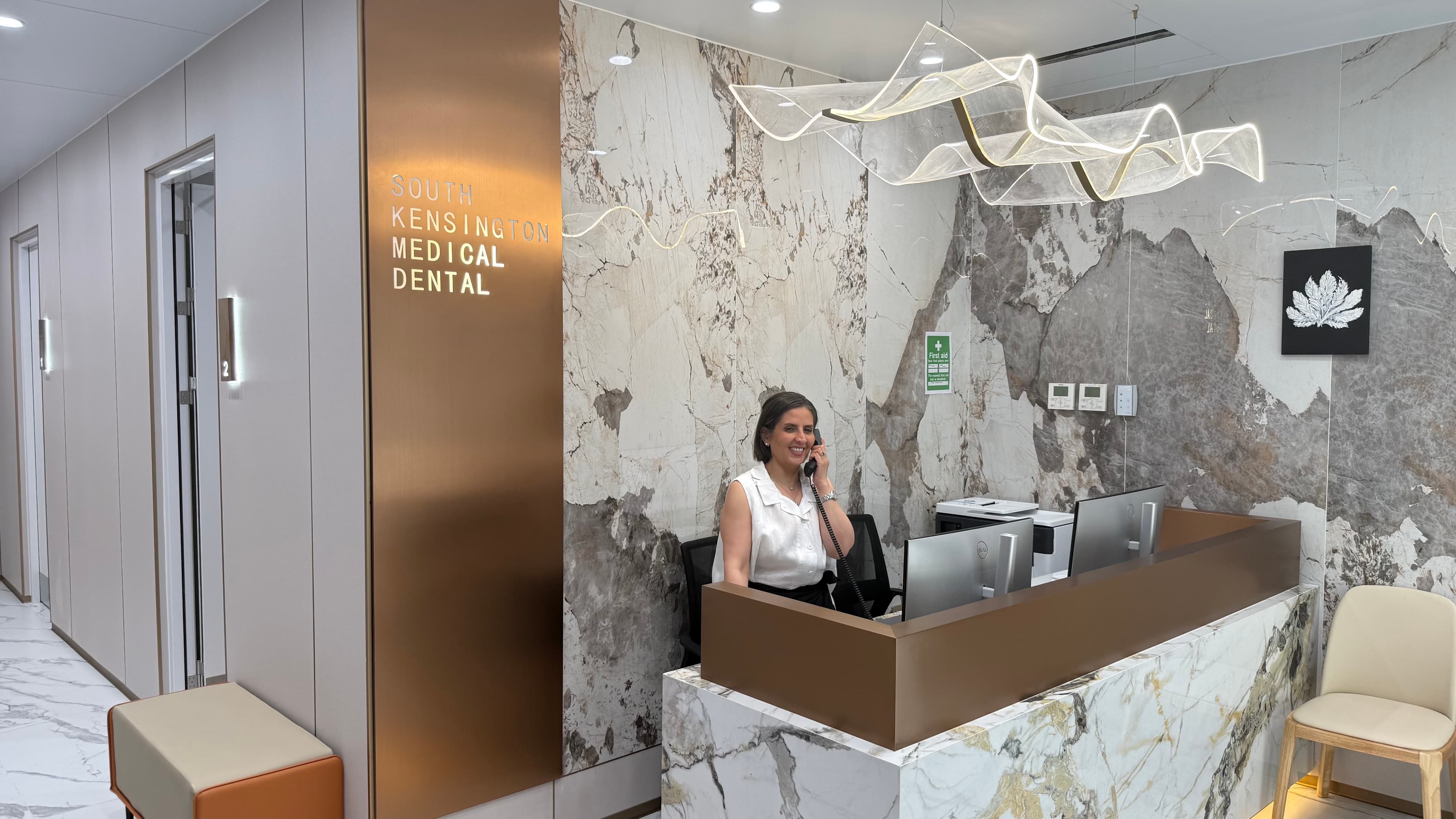
Assessment and treatment planning for open bite and other dental concerns are available at our London clinic, where professional evaluation can help determine appropriate care options.
South Kensington
Now Open20 Old Brompton Road, South Kensington, London SW7 3DL
Mon & Wed: 9 am – 6 pm
Tue & Thu: 9 am – 8 pm
Fri: 9 am – 5 pm
Sat & Sun: 10 am – 4 pm
1 min from South Kensington tube (District, Circle & Piccadilly)
City of London
Now Open5 Ave Maria Lane, City of London, London EC4M 7AQ
Mon – Thu: 8 am – 6 pm
Fri: 8 am – 2 pm
Sat & Sun: Closed
3 min from St Paul's tube (Central line) · 5 min from Blackfriars
Common Questions
Open Bite FAQ
Your Dental Team
Experienced Dentists
All our dentists are GDC registered and experienced in assessing bite alignment concerns, with careful, personalised care tailored to each patient.

Dr. Yasha Y Shirazi
Principal Dentist & Clinical Director
GDC: 195843
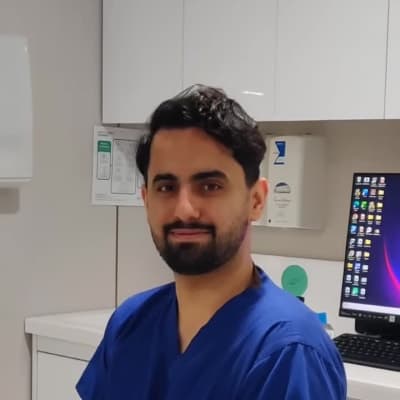
Dr. Reza Davari
Dentist
GDC: 302422

Dr. Kamran Yazdi
Dentist
GDC: 197926

Dr. Andreia Phipps
Dentist
GDC: 229601
Patient Reviews
What Our Patients Say
Related Services
Related Treatments & Services
Registered · Regulated · Trusted
Your Safety Is Our Priority
Our South Kensington and City of London clinics are regulated by the Care Quality Commission (CQC) and all our clinicians are registered with the General Dental Council (GDC).
CQC Regulated
Both clinics
GDC Registered
All clinicians
4.9/5 Rating
Google Reviews
CQC Provider: Medical and Dental Limited · Registration No. 1-20629579981
Assessment for Open Bite
Concerned About Your Bite?
If you have noticed a gap between your upper and lower teeth when biting or have concerns about your bite alignment, a professional dental assessment can help identify possible causes and determine appropriate management options based on your individual needs.