Broken Tooth
Causes & Treatment
A broken tooth can range from a minor chip to a more significant fracture affecting deeper layers. Whether caused by trauma, decay or wear, a professional assessment can help determine the appropriate treatment to restore comfort and function.
New Patient Examination
Only £30 £95for new patients
Understanding the Condition
What Is a Broken Tooth?
A broken tooth involves a loss of tooth structure due to fracture or damage. This can range from a small chip in the enamel — the hard outer layer — to a more significant fracture that extends through the dentine and potentially into the pulp, the innermost tissue containing nerves and blood vessels.
Some fractures are immediately visible, while others — such as hairline cracks or fractures beneath existing restorations — may not be obvious without clinical examination or dental imaging. The severity depends on the extent of the fracture and which layers of the tooth are affected.
Both front and back teeth can break, though the nature of the damage often differs. Front teeth are more prone to chips from trauma, while back teeth — which bear greater chewing forces — are more susceptible to cracks and cuspal fractures. A thorough dental assessment helps determine the type and extent of damage and the most appropriate course of action.
Symptoms & Warning Signs
Visible fracture or missing piece
A clearly broken edge, chip or missing section of the tooth that you can see or feel with your tongue
Pain when biting or chewing
Sharp or aching pain that occurs when pressure is applied to the tooth, particularly when biting down or releasing
Sensitivity to temperature or sweet foods
Discomfort or sharp pain triggered by hot, cold or sweet foods and drinks, indicating exposure of deeper tooth layers
Sharp or rough edges
A jagged or rough surface on the tooth that may irritate the tongue, cheek or lip
Intermittent or persistent discomfort
Pain that comes and goes or remains constant, which may indicate a crack that flexes under pressure or deeper structural involvement
Gum irritation or swelling
Redness, tenderness or swelling of the gum tissue around the affected tooth, which may suggest inflammation or infection
Symptoms vary depending on the severity and location of the fracture. If you experience sudden pain, swelling or bleeding, contact your dentist promptly for assessment.
Contributing Factors
Common Causes of a Broken Tooth
Tooth fractures can result from a single event or develop gradually over time. Understanding the contributing factors can help inform prevention and treatment decisions.
Biting hard foods or objects
Chewing on ice, hard sweets, nuts, bones or non-food items such as pen lids can place excessive force on a tooth, causing it to crack or fracture
Trauma or injury
A fall, sports impact or accidental blow to the face can fracture one or more teeth, sometimes without immediate symptoms
Teeth grinding or clenching
Bruxism places sustained, repetitive force on the teeth — particularly during sleep — gradually weakening the structure and making fractures more likely
Large fillings weakening the tooth
Existing restorations, especially large amalgam fillings, can weaken the remaining tooth structure over time, leaving it more vulnerable to fracture
Untreated tooth decay
Decay undermines the structural integrity of the tooth from within, and a weakened tooth is significantly more susceptible to breaking under normal biting forces
Temperature stress
Rapidly alternating between very hot and very cold foods or drinks can cause micro-cracks in the enamel that may develop into visible fractures over time
Why It Matters
Potential Risks if Not Addressed
A broken tooth that is not assessed and managed appropriately may deteriorate over time. A small crack can extend deeper into the tooth structure, potentially reaching the dentine or pulp. Once the inner layers are exposed, the tooth becomes vulnerable to bacterial infection, which may lead to an abscess, persistent pain and swelling.
Even if the fracture does not initially cause significant discomfort, the compromised structure can weaken further under normal biting forces. This may result in a larger portion of the tooth breaking away, increasing the complexity of treatment required to restore it. In some cases, a tooth that could have been saved with a crown or onlay may ultimately require extraction.
Sharp or rough edges from a broken tooth can also irritate the tongue, cheeks and gums, leading to ulceration and discomfort. Difficulty chewing on the affected side may alter bite patterns, potentially placing additional stress on other teeth. Seeking a professional assessment early helps ensure the most conservative and appropriate treatment approach.
Your Options
Treatment Options for a Broken Tooth
Treatment depends on the type, location and severity of the fracture. Your dentist will recommend the most appropriate option following a thorough clinical assessment.
Composite Bonding
For minor chips and small fractures, tooth-coloured composite resin can be applied to restore the shape and appearance of the tooth. This is a conservative approach that preserves natural tooth structure.
Learn MoreDental Crowns
Where a significant portion of the tooth is damaged or weakened, a crown covers and protects the remaining structure, restoring strength and function. Material options include porcelain and zirconia.
Learn MoreInlays & Onlays
For moderate damage that is too extensive for a filling but does not require a full crown, inlays and onlays offer a precise, durable restoration that preserves as much natural tooth as possible.
Learn MoreRoot Canal Treatment
If the fracture extends to the pulp — the inner tissue containing nerves and blood vessels — root canal treatment may be required to remove the affected tissue and seal the tooth before restoration.
Learn MoreTooth Extraction
In cases where the tooth is severely fractured, split vertically, or cannot be predictably restored, extraction may be the most appropriate option. Replacement options can then be discussed.
Learn MoreBroken Tooth Repair
Depending on the nature and extent of the break, a range of repair techniques may be appropriate. Your dentist will assess the tooth and recommend the most suitable restorative approach.
Learn MoreYour First Step
Importance of Professional Dental Assessment
Broken teeth vary considerably in severity and cause. What appears to be a minor chip may involve deeper structural damage that is not visible to the naked eye, while a fracture that looks significant may be relatively straightforward to treat.
During a dental examination, your dentist will assess the extent of the fracture, check the health of the surrounding gum tissue, and evaluate whether the pulp has been affected. Dental X-rays may be taken where appropriate to identify fracture lines, assess root integrity and check for any underlying pathology.
Based on the findings, a personalised treatment plan will be developed to address your specific needs. This may involve a single procedure or a phased approach depending on the complexity. Early assessment may help prevent complications and allow for a more conservative treatment approach. Your dentist at Dental Clinic London will explain all available options, including expected outcomes and costs, before any treatment begins.
What to Expect
- 1Clinical examination of the affected tooth and surrounding tissues
- 2Assessment of fracture type, depth and extent of damage
- 3Dental X-rays where appropriate to evaluate root and bone health
- 4Discussion of findings, treatment options and expected outcomes
- 5Clear explanation of costs before any treatment begins
- 6Personalised treatment plan tailored to your needs and preferences
Two Convenient Locations
Visit Us in Central London
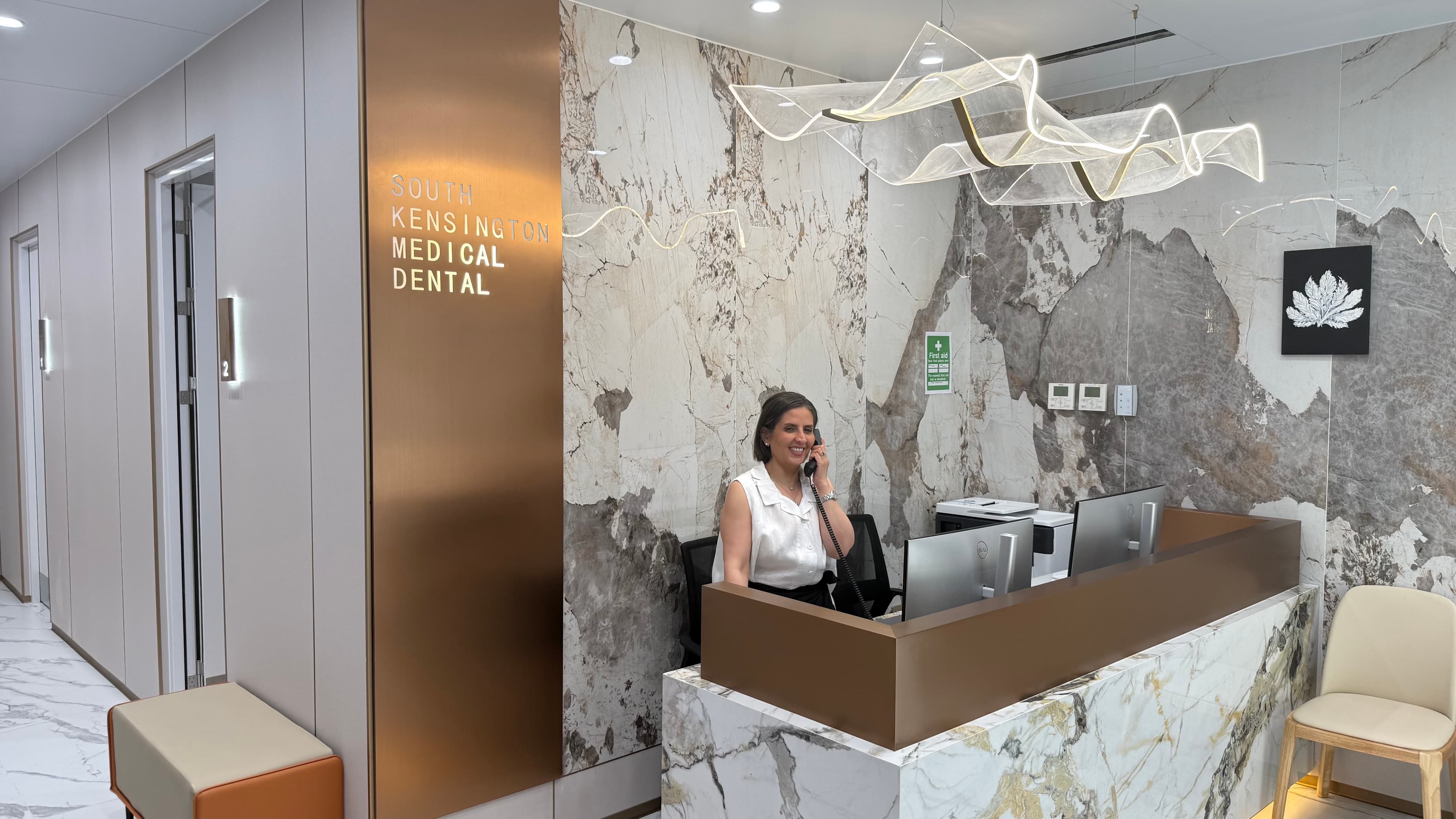
Assessment and treatment planning for broken teeth and other dental concerns are available at our London clinic, where professional evaluation can help determine appropriate care options.
South Kensington
Now Open20 Old Brompton Road, South Kensington, London SW7 3DL
Mon & Wed: 9 am – 6 pm
Tue & Thu: 9 am – 8 pm
Fri: 9 am – 5 pm
Sat & Sun: 10 am – 4 pm
1 min from South Kensington tube (District, Circle & Piccadilly)
City of London
Now Open5 Ave Maria Lane, City of London, London EC4M 7AQ
Mon – Thu: 8 am – 6 pm
Fri: 8 am – 2 pm
Sat & Sun: Closed
3 min from St Paul's tube (Central line) · 5 min from Blackfriars
Common Questions
Broken Tooth FAQ
Your Dental Team
Experienced Dentists
All our dentists are GDC registered and experienced in assessing and treating broken teeth, providing personalised care for each patient.

Dr. Yasha Y Shirazi
Principal Dentist & Clinical Director
GDC: 195843
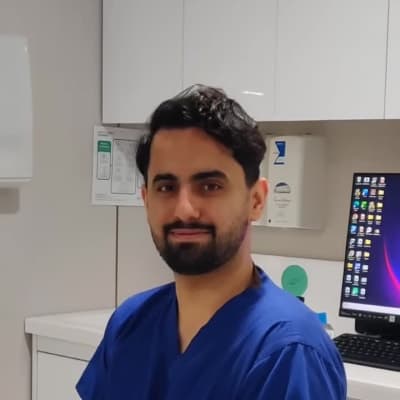
Dr. Reza Davari
Dentist
GDC: 302422
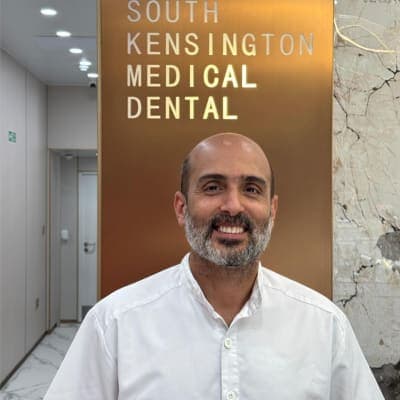
Dr. Kamran Yazdi
Dentist
GDC: 197926

Dr. Andreia Phipps
Dentist
GDC: 229601
Patient Reviews
What Our Patients Say
Related Services
Related Treatments & Services
Registered · Regulated · Trusted
Your Safety Is Our Priority
Our South Kensington and City of London clinics are regulated by the Care Quality Commission (CQC) and all our clinicians are registered with the General Dental Council (GDC).
CQC Regulated
Both clinics
GDC Registered
All clinicians
4.9/5 Rating
Google Reviews
CQC Provider: Medical and Dental Limited · Registration No. 1-20629579981
Assessment for Broken Tooth
Concerned About a Broken Tooth?
If you are concerned about a broken tooth, a professional dental assessment can help determine the cause and identify appropriate treatment options based on your individual needs.