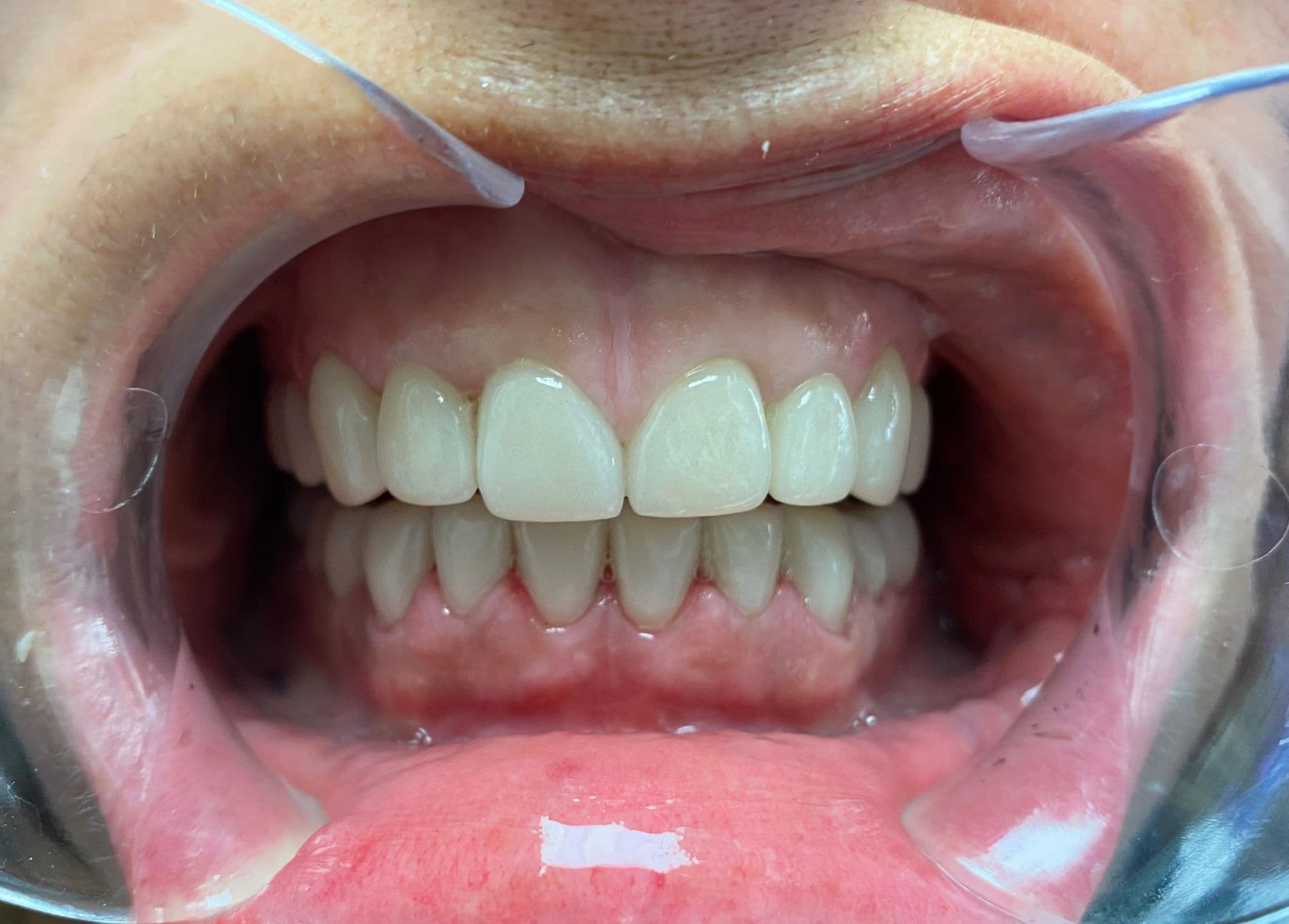
Maryland Bridge
London
Replace a missing front tooth with a conservative, metal-free Maryland bridge — no crowns on adjacent teeth, minimal tooth preparation and excellent aesthetics. From just £1,030. Available at our South Kensington and City of London clinics.
Maryland Bridge
From £1,030
Consultation
£30
Conservative Tooth Replacement
What Is a Maryland Bridge?
A Maryland bridge — also known as a resin-bonded bridge or adhesive bridge — is a conservative type of dental bridge that replaces a missing tooth without crowning the adjacent teeth. Instead of full crowns, thin porcelain or ceramic "wings" are bonded to the back of the neighbouring teeth, holding a false tooth (pontic) in place.
This makes the Maryland bridge the most tooth-preserving fixed bridge option available. Little or no natural tooth structure is removed during preparation — only minimal enamel roughening is needed to create a bonding surface. The wings are virtually invisible from the front, and the pontic is individually shade-matched to blend seamlessly with your natural teeth.
Maryland bridges were originally developed at the University of Maryland in the 1970s. They are most commonly used to replace a single missing front tooth (incisor or canine), where biting forces are relatively low. At Dental Clinic London, Maryland bridges start from £1,030 and are completed in just 2 appointments over 1–2 weeks.
Is It Right for You?
Who Is a Good Candidate?
Maryland bridges are ideal for specific clinical situations. Your dentist will assess whether a Maryland bridge is the best option for you.
Single Missing Front Tooth
Maryland bridges are most effective for replacing a single missing tooth in the front of the mouth (incisors or canines), where biting forces are lower.
Healthy Adjacent Teeth
The teeth on either side of the gap must be healthy, with sufficient enamel for the bonding wings to attach to. Teeth with large fillings may not provide adequate bonding surface.
Good Oral Hygiene
Patients with good oral hygiene habits and healthy gums are ideal candidates. Gum disease or poor hygiene can compromise the bonding and reduce the lifespan of the bridge.
Younger Patients
Maryland bridges are often preferred for teenagers and young adults whose jaws are still developing, as they avoid the irreversible preparation required for traditional bridges.
Patients Wanting to Preserve Tooth Structure
If you want a fixed tooth replacement but are reluctant to have healthy teeth crowned, a Maryland bridge offers a conservative alternative.
Temporary or Interim Solution
A Maryland bridge can serve as an excellent interim restoration while you wait for implant treatment, or as a long-term solution in its own right.
Benefits
Advantages of a Maryland Bridge
The Maryland bridge offers unique advantages over traditional bridges, making it the most conservative fixed option for replacing a missing front tooth.
Minimal Tooth Preparation
Unlike a traditional bridge, a Maryland bridge requires little or no removal of healthy tooth structure. The adjacent teeth are left virtually intact, with only minimal enamel roughening needed for bonding.
Preserves Natural Teeth
Because the supporting teeth do not need to be crowned, your natural tooth structure is preserved. This is a significant advantage for younger patients and anyone wanting to keep their teeth as untouched as possible.
Lower Cost
Maryland bridges start from £1,030 — considerably less than a traditional 3-unit bridge (from £2,985) or a dental implant (from £2,950). This makes them an affordable fixed solution for replacing a missing front tooth.
Quick Treatment (2 Appointments)
A Maryland bridge is completed in just 2 appointments over 1–2 weeks. You leave the first appointment with a temporary solution, and the permanent bridge is fitted at the second visit.
Excellent Aesthetics
Modern Maryland bridges are made from all-ceramic materials that are individually shade-matched to your natural teeth. The wings are bonded to the back of the teeth, so they are completely invisible from the front.
Potentially Reversible
Because the adjacent teeth are not significantly altered, a Maryland bridge can in some cases be removed and replaced with an alternative restoration (such as an implant) in the future without having compromised the supporting teeth.
Side-by-Side Comparison
Maryland Bridge vs Traditional Bridge
Not sure which type of bridge is right for you? Here is a detailed comparison to help you understand the key differences.
| Feature | Maryland Bridge | Traditional Bridge |
|---|---|---|
| Tooth Preparation | Minimal — enamel roughening only | Significant — teeth crowned |
| Natural Tooth Preserved? | Yes — virtually intact | No — permanently altered |
| Reversible? | Potentially yes | No — irreversible |
| Strength | Good — front teeth | Excellent — all teeth |
| Best For | Single missing front tooth | Any missing tooth position |
| Lifespan | 10–15+ years | 15–25+ years |
| Starting Price | From £1,030 | From £2,985 (3-unit) |
| Appointments | 2 appointments | 2 appointments |
| Can It Debond? | Small risk — easily re-cemented | Very rare |
| Suitable for Back Teeth? | No — not strong enough | Yes — highly durable |
Your dentist will recommend the most suitable bridge type based on the position of the gap, the condition of the adjacent teeth, your bite and your goals.
Your Treatment Journey
How a Maryland Bridge Is Placed
From consultation to final bonding — here is what happens at each stage.
Consultation & Assessment
Your dentist examines the gap, the adjacent teeth and your bite. X-rays are taken to assess the roots and bone. Your dentist confirms whether a Maryland bridge is suitable for your situation and discusses the expected outcome, lifespan and cost. A new patient consultation is £30, or a free 15-minute short consultation is available for initial enquiries.
Shade Selection & Impressions
Using a shade guide, your dentist selects the exact colour to match your natural teeth. The adjacent teeth are lightly roughened on the back surface to create a better bonding surface — this is painless and removes only a fraction of a millimetre of enamel. Detailed impressions are taken and sent to our specialist dental laboratory.
Laboratory Fabrication
Our dental technician hand-crafts your Maryland bridge from high-strength dental ceramic. The pontic (false tooth) is shaped and coloured to match your surrounding teeth perfectly, and the bonding wings are made as thin and discreet as possible. This typically takes 1–2 weeks.
Bridge Fitting & Bonding
At your second appointment, the Maryland bridge is tried in for fit, colour and bite. Once you and your dentist are completely happy, the wings are permanently bonded to the back of the adjacent teeth using a strong resin cement. The procedure is painless and takes approximately 30–45 minutes.
Polish & Aftercare
The bridge is polished to a natural finish, your bite is carefully checked and any final adjustments are made. Your dentist provides detailed aftercare instructions to help your Maryland bridge last as long as possible. With proper care, a Maryland bridge can last 10–15 years or more.
See Our Clinic
What to Expect at Your Visit
Two Convenient Locations
Maryland Bridges Near You
South Kensington
Now Open20 Old Brompton Road, South Kensington, London SW7 3DL
Mon & Wed: 9 am – 6 pm
Tue & Thu: 9 am – 8 pm
Fri: 9 am – 5 pm
Sat & Sun: 10 am – 4 pm
1 min from South Kensington tube (District, Circle & Piccadilly)
City of London
Now Open5 Ave Maria Lane, City of London, London EC4M 7AQ
Mon – Thu: 8 am – 6 pm
Fri: 8 am – 2 pm
Sat & Sun: Closed
3 min from St Paul's tube (Central line) · 5 min from Blackfriars
Transparent Pricing
Maryland Bridge Prices
Clear, upfront pricing with no hidden fees. Your dentist will always provide a written treatment plan with exact costs before any work begins.
| Treatment | Price |
|---|---|
| New Patient ConsultationFull examination, X-rays & treatment plan | £30 |
| Free Short Consultation (15 min)Quick chat about Maryland bridge options — no obligation | FREE |
| Maryland Bridge (Resin Bonded)1 pontic + 1–2 bonded wings — minimal tooth preparation | From £1,030 |
| 3-Unit Traditional Bridge (comparison)2 supporting crowns + 1 pontic — requires tooth preparation | From £2,985 |
| X-Ray (Periapical)Focused image of individual teeth | £20 |
| OPG Full-Mouth X-RayPanoramic view of all teeth and jaw | £80 |
Prices are a guide and may vary depending on clinical complexity. 0% finance available on selected treatments, subject to status. A detailed treatment plan with confirmed costs is provided before any treatment begins.
Long-Lasting Results
Caring for Your Maryland Bridge
Good aftercare is essential to maximise the lifespan of your Maryland bridge and keep the supporting teeth healthy.
Brush Twice Daily
Brush all surfaces of the bridge and surrounding teeth with a soft-bristled or electric toothbrush and fluoride toothpaste. Pay particular attention to the area where the pontic meets the gum.
Clean Under the Bridge Daily
Use a floss threader, superfloss or interdental brush to clean underneath the pontic every day. This removes plaque and food debris that a normal toothbrush cannot reach.
Avoid Biting Hard Foods Directly
Maryland bridges are strong but not designed for heavy biting forces. Avoid biting directly into very hard foods (apples, crusty bread, ice) with your Maryland bridge — cut food into smaller pieces instead.
Do Not Use Front Teeth as Tools
Never use your front teeth to tear tape, open packets or bite nails. These actions place lateral forces on the bridge that can cause the bonding wings to debond.
Attend Regular Check-ups
Visit your dentist every 6 months for routine check-ups. Your dentist will check the bridge for any looseness, ensure the bond is intact and monitor the health of the supporting teeth.
Contact Us if It Feels Loose
If your Maryland bridge feels loose, moves or makes a clicking sound, contact us promptly. Debonding is easily fixed — the bridge can usually be re-cemented at a short appointment.
Common Questions
Maryland Bridge FAQ
Experienced Dentists
Your Dental Team
All our dentists are GDC registered and experienced in restorative dentistry, including Maryland bridges. They will explain every option clearly and ensure you are comfortable throughout.

Dr. Yasha Y Shirazi
Principal Dentist & Clinical Director
GDC: 195843
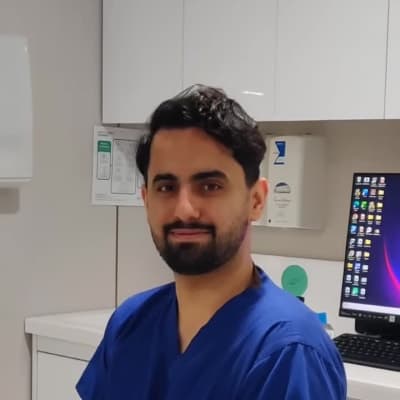
Dr. Reza Davari
Dentist
GDC: 302422

Dr. Kamran Yazdi
Dentist
GDC: 197926

Dr. Andreia Phipps
Dentist
GDC: 229601
Patient Reviews
What Our Patients Say
Explore More
Related Treatments
Registered · Regulated · Trusted
Your Safety Is Our Priority
Our South Kensington and City of London clinics are regulated by the Care Quality Commission (CQC) and all our clinicians are registered with the General Dental Council (GDC).
CQC Regulated
Both clinics
GDC Registered
All clinicians
CQC Provider: Medical and Dental Limited · Registration No. 1-20629579981
Missing a Front Tooth?
A Maryland bridge can replace it conservatively — no crowns on adjacent teeth, minimal preparation, from just £1,030. Book a consultation for £30 or a free 15-minute chat to find out if a Maryland bridge is right for you.