Worn Teeth
Attrition & Treatment
Worn teeth refer to gradual loss of tooth structure over time. Attrition — tooth-to-tooth wear, often linked to grinding or clenching — may develop slowly and go unnoticed initially. Changes in tooth shape, length or sensitivity may occur. A professional dental assessment is important to identify the cause and determine appropriate management.
New Patient Examination
Only £30 £95for new patients
Understanding the Concern
What Are Worn Teeth (Attrition)?
Attrition is the mechanical wear of teeth due to contact between opposing teeth. Unlike erosion — which is caused by acids — or abrasion from brushing, attrition specifically describes wear that occurs when teeth rub against each other over time.
It commonly affects biting surfaces and edges, particularly on the front teeth and the cusps of molars. Flat, polished-looking wear facets on opposing teeth often suggest attrition as the dominant wear process.
Over months and years, tooth structure becomes gradually reduced. Because the change is slow, it can be easy to overlook — but comparing older photographs or models can make the extent of change more apparent.
The condition may affect both function and appearance. Shortening of front teeth, altered bite, sensitivity and small fractures are common concerns. Clinical evaluation helps determine the severity and identify contributing factors.
Symptoms & Signs
Flattened or shortened teeth
Biting edges of the front teeth may appear flat rather than gently contoured. In advanced cases, teeth can look visibly shorter compared with earlier photographs.
Increased sensitivity
As enamel thins, the more sensitive underlying dentine can become exposed — leading to transient discomfort with cold, sweet or acidic foods.
Changes in bite or chewing function
As wear progresses, the way teeth meet can subtly alter. Some patients describe food feeling different when chewing, or notice that their teeth do not fit together as before.
Small chips or fractures
Worn teeth are more prone to small chips, particularly along thinned biting edges. Existing restorations may also fracture where they meet worn natural tooth structure.
Jaw discomfort or muscle tension
Those who grind or clench may experience jaw muscle tenderness, tightness on waking, or mild headaches in the temple region — symptoms often linked with wear.
Visible wear facets
Shiny flat areas on the biting surfaces of teeth — known as wear facets — can be seen during examination, often mirrored on opposing teeth that meet during grinding.
Symptoms vary depending on severity. A professional assessment helps identify contributing factors and guide appropriate care.
Contributing Factors
Common Causes of Tooth Wear
Tooth wear is usually multifactorial. Several influences may combine, and identifying the main contributors helps guide a clear, long-term management plan.
Teeth grinding or clenching (bruxism)
Repeated tooth-to-tooth contact during sleep or periods of concentration generates significant forces that wear away enamel over time. Bruxism is one of the most common causes of accelerated attrition.
Natural ageing and long-term use
A degree of enamel wear is a normal consequence of chewing over many years. In later life, subtle shortening and flattening of biting edges is frequently observed and usually well tolerated.
Bite alignment issues
Where the teeth do not meet evenly, certain areas carry more load than they are designed for. This uneven distribution can accelerate local wear on specific teeth or edges.
Stress-related habits
Stress and anxiety often increase jaw clenching and grinding, particularly at night. Periods of higher stress are sometimes linked to increased symptoms and visible changes in wear patterns.
Lack of protective measures
In patients who grind or clench, the absence of a suitable protective night guard can allow ongoing wear to continue unchecked, compounding damage over months and years.
Combined wear processes
Attrition often occurs alongside erosion from acidic food or drink and abrasion from firm brushing — with several wear mechanisms acting together to reduce tooth structure more rapidly than any one alone.
Why It Matters
Potential Risks if Not Addressed
Progressive loss of tooth structure is the primary concern. Once enamel is lost it cannot regrow, and continuing forces can accelerate wear into the underlying dentine — where the rate of loss often increases.
As wear advances, patients may notice increased sensitivity or discomfort, particularly with hot, cold or sweet foods. Exposed dentine is more responsive than enamel and can trigger short, sharp episodes of discomfort.
Thinner, shorter teeth are at greater risk of cracks or fractures. Small chips can occur along worn edges, and existing restorations may fracture where they abut worn natural tooth structure — sometimes requiring unscheduled repair.
Ongoing wear can contribute to changes in bite alignment. Where teeth shorten unevenly, the way they meet gradually alters — something that may in turn place more stress on jaw muscles and joints.
In more advanced cases, there may be a need for restorative treatment — including composite bonding, onlays or crowns — to rebuild lost structure, protect the remaining tooth and restore appearance and function.
Your Options
Treatment and Management Options
Management depends on clinical assessment. Treatment varies based on severity, and a personalised approach is recommended following professional examination.
Protective Night Guards
A custom-made night guard separates the upper and lower teeth during sleep, helping to absorb grinding forces and reduce ongoing wear.
Learn MoreComposite Bonding
Tooth-coloured composite can rebuild lost edges and cusps in suitable cases — a conservative option often used for early to moderate wear.
Learn MoreDental Crowns or Onlays
Where wear is more advanced, crowns or onlays may be recommended to restore tooth structure, protect the underlying tooth and help re-establish function.
Learn MoreComprehensive Smile Planning
Where multiple teeth are affected, careful planning — sometimes through a full smile makeover approach — helps co-ordinate treatment and optimise long-term outcomes.
Learn MoreBite Adjustment & Monitoring
Where indicated, selective bite adjustment and scheduled review with photographs or models help track changes and confirm that further wear is being controlled.
Learn MoreProtection During Sport
For patients participating in contact sport, a professionally made sports guard adds an additional layer of protection against impact-related damage to teeth.
Learn MoreYour First Step
Importance of Professional Dental Assessment
Tooth wear may progress without noticeable symptoms for a long period. Because change is gradual, it is often more apparent to a dentist reviewing photographs and models over time than to patients themselves.
Examination helps assess extent and cause. The pattern, location and severity of wear — combined with information about habits, diet and medical history — support a clearer picture of the contributing factors.
Bite analysis may be required where uneven loading is suspected. This can include assessment of how the teeth meet, muscle function and any signs of active grinding or clenching.
Treatment planning is tailored to individual needs, and early assessment may help reduce further wear. A personalised, staged approach often combines protective, preventive and — where needed — restorative elements.
What to Expect
- 1Discussion of your concerns — including when changes were first noticed, any sensitivity, jaw tension, headaches or cosmetic considerations
- 2Review of your medical, dental and lifestyle history — including any grinding or clenching habits, stress levels and dietary patterns that may contribute to wear
- 3Clinical examination of the teeth, bite and jaw — assessing wear facets, tooth length, existing restorations and how the upper and lower teeth meet in function
- 4Photographs and study models or digital scans where appropriate — providing a clear record and supporting detailed monitoring and treatment planning
- 5Explanation of findings — including likely contributing factors, an assessment of severity and whether active management or monitoring is recommended
- 6Personalised plan — outlining options from protective appliances and monitoring through to restorative treatment, with full discussion of benefits and costs
Two Convenient Locations
Visit Us in Central London
Assessment and treatment planning for worn teeth and other dental concerns are available at our London clinic, where professional evaluation can help determine appropriate care options.
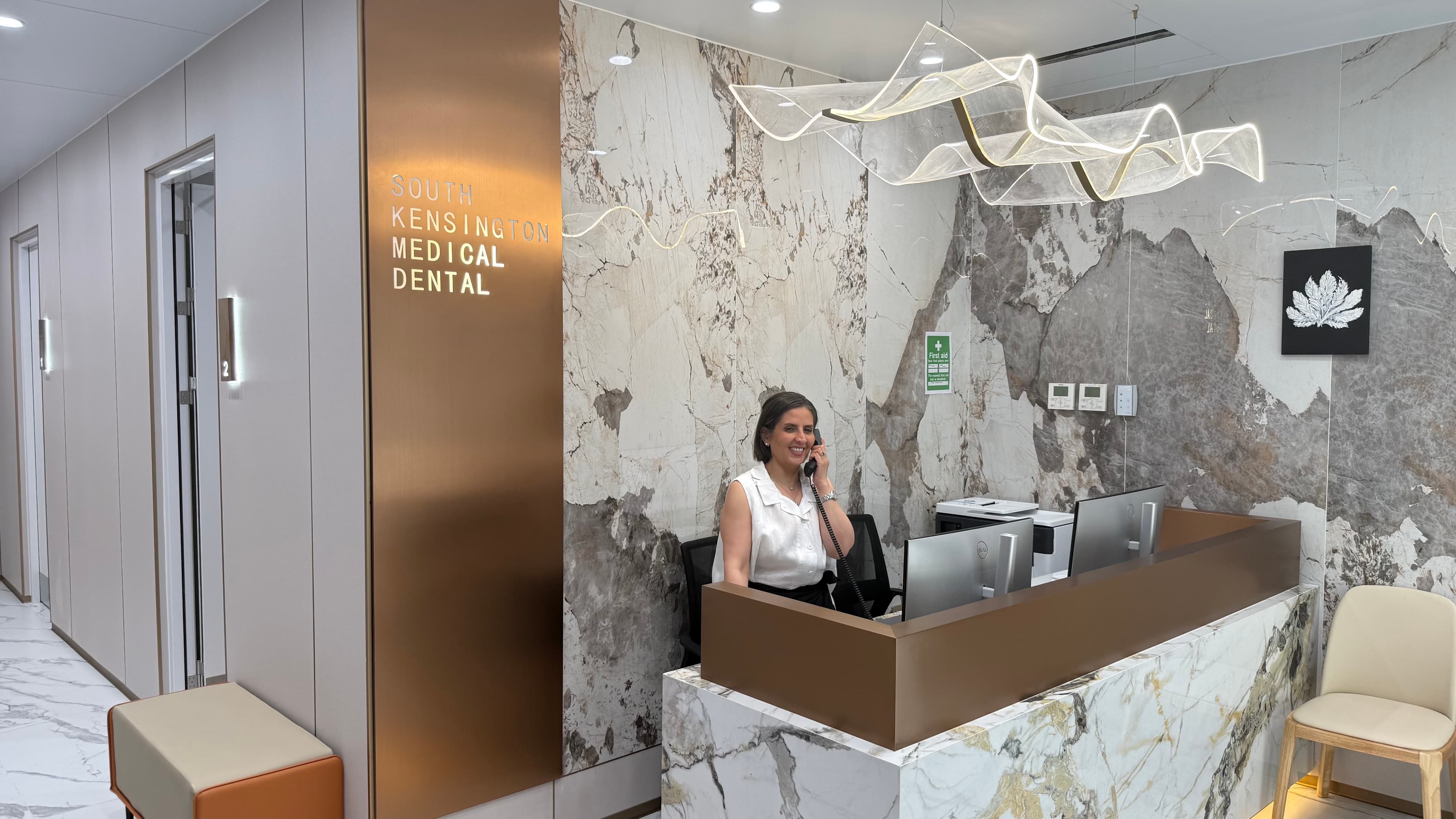
South Kensington
Now Open20 Old Brompton Road, South Kensington, London SW7 3DL
Mon & Wed: 9 am – 6 pm
Tue & Thu: 9 am – 8 pm
Fri: 9 am – 5 pm
Sat & Sun: 10 am – 4 pm
1 min from South Kensington tube (District, Circle & Piccadilly)
City of London
Now Open5 Ave Maria Lane, City of London, London EC4M 7AQ
Mon – Thu: 8 am – 6 pm
Fri: 8 am – 2 pm
Sat & Sun: Closed
3 min from St Paul's tube (Central line) · 5 min from Blackfriars
Common Questions
Worn Teeth FAQ
Your Dental Team
Experienced Dentists
All our clinicians are GDC registered. Our dental team is experienced in assessing tooth wear, bite patterns and planning appropriate protective and restorative care.

Dr. Yasha Y Shirazi
Principal Dentist & Clinical Director
GDC: 195843
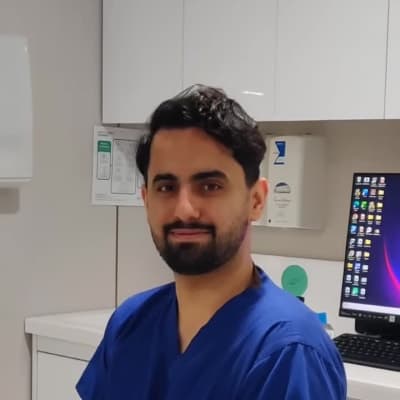
Dr. Reza Davari
Dentist
GDC: 302422

Dr. Kamran Yazdi
Dentist
GDC: 197926

Dr. Andreia Phipps
Dentist
GDC: 229601
Patient Reviews
What Our Patients Say
Related Services
Related Treatments & Services
Registered · Regulated · Trusted
Your Safety Is Our Priority
Our South Kensington and City of London clinics are regulated by the Care Quality Commission (CQC) and all our clinicians are registered with the General Dental Council (GDC).
CQC Regulated
Both clinics
GDC Registered
All clinicians
4.9/5 Rating
Google Reviews
CQC Provider: Medical and Dental Limited · Registration No. 1-20629579981
Assessment for Worn Teeth
Concerned About Tooth Wear?
If you are concerned about worn teeth or notice changes in your bite or tooth shape, a professional dental assessment can help identify the cause and determine appropriate management options based on your individual needs.