
Overjet: Causes, Symptoms
and Treatment Options
Overjet refers to the horizontal distance between the upper and lower front teeth — sometimes described as protruding front teeth. A small overjet is normal, but an increased overjet may affect function, comfort and the vulnerability of the teeth to injury. Professional dental assessment helps identify contributing factors and determine appropriate management.
New Patient Examination
Only £30 £95for new patients
Understanding the Concern
What Is Overjet?
Overjet measures the horizontal distance between the front surfaces of the upper and lower front teeth. It describes how far forward the upper teeth extend ahead of the lower teeth when the jaws are closed. A small overjet — typically around 2–4 mm — is considered normal.
It is important to distinguish overjet from overbite. While overjet describes the horizontal relationship between the front teeth, overbite describes the vertical overlap — how much the upper teeth cover the lower teeth from top to bottom. Both are types of malocclusion but they describe different aspects of bite alignment and may require different management approaches.
Overjet may range from mild to pronounced, and the degree helps guide whether monitoring or active management is appropriate. Clinical evaluation — including visual examination, bite analysis and, where indicated, radiographs — helps determine severity, identify contributing factors and inform a personalised management approach.
Symptoms & Warning Signs
Upper front teeth protruding forward
The upper front teeth sit noticeably ahead of the lower front teeth, creating a visible horizontal gap. This may be apparent when smiling or when the mouth is at rest.
Increased gap between upper and lower teeth
A measurable horizontal distance between the front surfaces of the upper and lower front teeth that exceeds the normal range of approximately 2–4 mm.
Difficulty biting or chewing
An increased overjet may affect the ability to bite through certain foods efficiently with the front teeth, as the upper and lower teeth may not meet in an optimal position.
Speech differences
Some individuals with a significant overjet may notice difficulty pronouncing certain sounds clearly, or may develop compensatory speech patterns.
Lip strain or difficulty with lip closure
Where the overjet is pronounced, the lips may not close comfortably at rest. This can lead to mouth breathing, lip dryness, or a conscious effort to close the lips over the teeth.
Aesthetic concerns
The prominent appearance of the upper front teeth may affect confidence in smiling or social interactions — a common reason for seeking assessment.
Symptoms vary depending on the degree of overjet. Functional difficulties, increased trauma risk or changes in tooth position warrant professional assessment.
Key Distinction
Overjet vs Overbite
Understanding the difference between overjet and overbite is important for accurate diagnosis and effective management. Both are common types of malocclusion, but they describe different bite relationships.
Overjet (Horizontal)
Measures the horizontal distance between the upper and lower front teeth — how far forward the upper teeth protrude. An increased overjet means the upper teeth sit further ahead of the lower teeth than normal.
- Horizontal measurement
- Describes forward protrusion
- Affects lip closure and trauma risk
- Often associated with jaw or habit factors
Overbite (Vertical)
Measures the vertical overlap — how much the upper front teeth cover the lower front teeth from top to bottom. An excessive overbite (deep bite) means the upper teeth cover too much of the lower teeth.
- Vertical measurement
- Describes depth of coverage
- Affects tooth wear and palatal tissues
- May relate to jaw proportions or tooth position
Both conditions can occur independently or together. Accurate clinical assessment helps distinguish between them and guides appropriate management. Where both are present, a combined treatment approach may be recommended. Read more about overbite.
Why It Happens
Common Causes and Contributing Factors
An increased overjet typically develops as a result of multiple contributing factors rather than a single cause. Identifying these factors is important for planning effective management.
Natural jaw growth variation
Differences in the way the upper and lower jaws develop can result in the upper jaw sitting further forward relative to the lower jaw, creating an increased horizontal distance between the front teeth.
Genetic factors
Jaw size, tooth size and facial proportions are influenced by genetics. A family tendency toward a smaller lower jaw or more forward upper jaw can predispose to an increased overjet.
Childhood habits
Prolonged thumb sucking, finger habits or dummy use beyond early childhood can exert sustained forward pressure on the developing upper front teeth, pushing them into a more prominent position and increasing the overjet.
Tongue positioning habits
A forward tongue posture — where the tongue rests against or pushes forward on the upper front teeth during swallowing or at rest — can gradually push the upper teeth forward, contributing to or maintaining an increased overjet.
Tooth positioning or crowding
Crowded lower teeth, missing teeth, or teeth that have drifted from their original positions can alter how the upper and lower arches relate to each other, potentially contributing to an increased overjet.
Previous dental treatment
Dental restorations, extractions or previous orthodontic treatment can influence tooth positioning. In some cases, changes to the dental arch may affect the horizontal relationship between the front teeth.
Why It Matters
Potential Risks if Not Addressed
One of the most significant concerns with an increased overjet is the elevated risk of trauma to the protruding upper front teeth. Teeth that sit further forward are more exposed and less protected by the lips, making them more vulnerable to chipping, fracture or avulsion during falls, sports or accidents. Custom sports guards can help reduce this risk during physical activities.
An increased overjet may also contribute to difficulty with lip closure — the ability to bring the lips together comfortably at rest. This can lead to mouth breathing, dryness of the front teeth and gums, and increased susceptibility to tooth decay in the affected area.
Over time, the altered bite relationship may contribute to uneven tooth wear, changes in the position of other teeth, and in some cases jaw discomfort — particularly where the bite has to compensate for the misalignment. If contributing factors such as tooth grinding or tooth loss are also present, the overjet may gradually worsen, and management at a later stage may be more complex.
Your Options
Treatment and Management Options
Treatment depends on clinical assessment of the degree of overjet, contributing factors and individual circumstances. Management varies based on diagnosis, and a personalised approach is recommended following professional examination.
General Dentistry
Comprehensive assessment of bite alignment, tooth positioning and jaw relationships to determine the degree of overjet and guide appropriate management.
Learn MorePrivate Dentist
Thorough clinical examination in an unhurried private setting, with time to discuss concerns about protruding teeth and explore management options.
Learn MoreSmile Makeover
A comprehensive treatment plan that may address overjet alongside other cosmetic and functional dental goals for an overall improvement.
Learn MoreTooth Grinding
Assessment and management of bruxism, which may occur alongside bite misalignment and contribute to tooth wear or jaw discomfort.
Learn MoreSports Guards
Custom-fitted mouthguards to protect protruding front teeth during sport — particularly important where increased overjet raises the risk of dental injury.
Learn MoreEmergency Dentist
Prompt assessment for dental trauma — including injuries to protruding front teeth — or sudden changes in bite alignment requiring urgent attention.
Learn MoreManagement may include monitoring of mild cases, orthodontic treatment to reposition the teeth, use of dental appliances, addressing contributing habits such as tongue thrusting, and where indicated, referral for specialist assessment. Where an increased overjet raises the risk of dental injury, protective measures such as custom sports guards may be recommended alongside other management.
Your First Step
Importance of Professional Dental Assessment
Overjet severity varies between individuals. What may appear mild can have functional implications, while a visually noticeable overjet may be stable and well-tolerated. Clinical examination provides an accurate measurement and assessment of the impact on function, aesthetics and dental health.
During assessment, the tooth and jaw relationships are evaluated — including the degree of overjet, any associated overbite, the condition of the teeth, and the health and function of the jaw joints. This helps build a complete picture of the bite alignment.
Early identification may support more effective management — particularly in younger patients where growth and development can be taken into account. Treatment planning is tailored to individual needs, considering the type and degree of overjet, contributing factors, trauma risk, and the patient's priorities.
What to Expect
- 1Discussion of your concerns — including the appearance of your front teeth, any functional difficulties, and whether you have noticed changes over time
- 2Review of medical and dental history, including any previous orthodontic treatment, childhood habits, or relevant dental work
- 3Visual and clinical examination of the teeth, bite alignment and jaw relationships — including measurement of the overjet and assessment of any associated overbite
- 4Evaluation of lip closure, speech and functional impact to understand how the overjet affects day-to-day comfort and dental health
- 5Clear explanation of findings, including the degree and likely cause of overjet, with discussion of any contributing factors identified
- 6Personalised management plan — which may include monitoring, orthodontic referral, habit management, sports guard provision or other interventions as appropriate
Two Convenient Locations
Visit Us in Central London
Assessment and treatment planning for overjet and other dental concerns are available at our London clinic, where professional evaluation can help determine appropriate care options.
South Kensington
Now Open20 Old Brompton Road, South Kensington, London SW7 3DL
Mon & Wed: 9 am – 6 pm
Tue & Thu: 9 am – 8 pm
Fri: 9 am – 5 pm
Sat & Sun: 10 am – 4 pm
1 min from South Kensington tube (District, Circle & Piccadilly)
City of London
Now Open5 Ave Maria Lane, City of London, London EC4M 7AQ
Mon – Thu: 8 am – 6 pm
Fri: 8 am – 2 pm
Sat & Sun: Closed
3 min from St Paul's tube (Central line) · 5 min from Blackfriars
Common Questions
Overjet FAQ
Your Dental Team
Experienced Dentists
All our dentists are GDC registered and experienced in assessing bite alignment, overjet and related concerns — with careful, personalised care.

Dr. Yasha Y Shirazi
Principal Dentist & Clinical Director
GDC: 195843
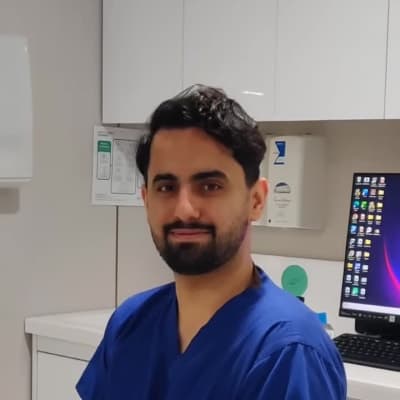
Dr. Reza Davari
Dentist
GDC: 302422

Dr. Kamran Yazdi
Dentist
GDC: 197926

Dr. Andreia Phipps
Dentist
GDC: 229601
Patient Reviews
What Our Patients Say
Related Services
Related Treatments & Services
Registered · Regulated · Trusted
Your Safety Is Our Priority
Our South Kensington and City of London clinics are regulated by the Care Quality Commission (CQC) and all our clinicians are registered with the General Dental Council (GDC).
CQC Regulated
Both clinics
GDC Registered
All clinicians
4.9/5 Rating
Google Reviews
CQC Provider: Medical and Dental Limited · Registration No. 1-20629579981
Assessment for Overjet
Concerned About Protruding Teeth?
If you have concerns about protruding front teeth or notice an increased gap between your upper and lower teeth, a professional dental assessment can help identify possible causes and determine appropriate management options based on your individual needs.