
Missing
Tooth
A missing tooth refers to a gap in the mouth where a tooth has been lost or is absent — whether through injury, decay, gum disease or other dental conditions. Missing teeth can affect chewing, speech and overall oral health. A professional dental assessment is important to identify causes and determine appropriate management or replacement options.
New Patient Examination
Only £30 £95for new patients
Understanding the Concern
What Is a Missing Tooth?
A missing tooth is a space left in the dental arch after a tooth has been lost through extraction, trauma, disease, or — in some cases — where a permanent tooth never developed. The gap may be visible when smiling or speaking, or it may be located further back in the mouth where it is less noticeable but equally significant from a functional perspective.
A missing tooth can affect a single position or multiple areas of the mouth. Whether one tooth or several are absent, the consequences for bite function, tooth alignment and long-term oral health are influenced by the location of the gap, the condition of the remaining teeth, and the health of the supporting bone.
Clinical evaluation helps determine the extent and impact of the missing tooth, including any changes that have already occurred in the surrounding teeth or jawbone — and whether replacement or monitoring is appropriate. A thorough dental assessment provides the foundation for any treatment planning.
How Missing Teeth Affect Oral Health
Shifting of adjacent teeth
Neighbouring teeth may gradually drift or tilt into the gap, changing their position and creating new spacing or alignment problems.
Over-eruption of opposing teeth
The tooth directly opposite the gap may begin to move downward (or upward) as it no longer has an opposing surface to bite against.
Bite alignment changes
The loss of even a single tooth can alter the way the upper and lower teeth meet, potentially leading to uneven wear, jaw discomfort or TMJ issues.
Reduced chewing efficiency
Gaps in the dental arch reduce the available chewing surface, which can affect the ability to eat certain foods comfortably and thoroughly.
Jawbone changes
Without the stimulation provided by a tooth root, the jawbone in the area of the gap may gradually resorb, reducing bone volume over time.
Impact on appearance and confidence
A visible gap — particularly in the front of the mouth — may affect the appearance of the smile and, for some individuals, self-confidence in social settings.
The extent of these changes varies between individuals. Professional assessment helps determine which, if any, effects are occurring in your case.
Why It Happens
Common Causes of Tooth Loss
Tooth loss can result from a range of factors — and in many cases, more than one cause contributes. Understanding why a tooth has been lost helps guide the most appropriate management approach.
Tooth decay (dental caries)
Untreated decay progressively destroys tooth structure. When the damage becomes too extensive to restore, extraction may be the only remaining option, resulting in a gap.
Gum disease (periodontal disease)
Advanced gum disease causes loss of the bone and tissue that support the teeth. As support is lost, teeth may loosen and eventually fall out or require removal.
Injury or trauma
A blow to the face or mouth — from a fall, sport, accident or other impact — can knock out a tooth entirely or damage it beyond repair, necessitating extraction.
Failed dental restorations
Previously restored teeth may deteriorate over time. Where repeated treatment fails or the remaining tooth structure is insufficient, extraction may be necessary.
Congenital absence
Some individuals are born without one or more permanent teeth — a condition known as hypodontia. The most commonly absent teeth are wisdom teeth, upper lateral incisors and premolars.
Extraction due to dental problems
Teeth may need to be removed due to severe infection, impaction, crowding, or as part of orthodontic treatment planning. The resulting gap may require management.
Signs to Be Aware Of
Symptoms and Warning Signs
Visible gap in the teeth
An obvious space where a tooth is absent — most noticeable with front teeth but functionally significant in any position.
Difficulty chewing certain foods
Reduced chewing surface can make it harder to break down firmer foods, often leading to preferential chewing on one side.
Changes in bite or tooth position
Teeth adjacent to the gap may shift over time, and opposing teeth may begin to move, gradually altering the bite.
Speech differences
Missing front teeth in particular can affect pronunciation of certain sounds, though many individuals adapt naturally.
Food trapping in the gap area
Food debris may collect in the space and around neighbouring teeth, increasing the risk of decay and gum irritation.
Aesthetic concerns
A gap in the smile line can affect confidence and self-consciousness, particularly during social or professional interactions.
Symptoms vary depending on the number and location of missing teeth. Even a single missing tooth in a non-visible area can have functional implications that benefit from professional evaluation.
Why It Matters
Potential Risks if Not Addressed
When a missing tooth is left without management, the surrounding teeth may gradually shift into the gap, altering alignment and creating new areas where plaque can accumulate. The opposing tooth may over-erupt, and the overall bite can change in ways that place increased strain on other teeth and the jaw joints.
The jawbone in the area of the gap may gradually resorb, as it no longer receives the functional stimulation that a tooth root provides. Over time, this can reduce the volume of bone available — which may, if replacement is considered later, affect the options or require preparatory treatment such as bone grafting.
Remaining teeth may be subject to increased wear and functional loading, potentially accelerating breakdown of existing restorations or healthy tooth structure. Maintaining good oral hygiene around the gap can also become more challenging, increasing the risk of decay and gum disease in adjacent teeth. Early assessment by a qualified dentist helps preserve simpler treatment options where intervention is appropriate.
Your Options
Treatment and Replacement Options
Treatment depends on clinical assessment of the gap, the surrounding teeth and bone, and your individual needs and preferences. A personalised approach is recommended, with options discussed following professional examination.
Dental Implants
A titanium post placed in the jawbone to support a replacement crown — the option that most closely replicates the function and appearance of a natural tooth root.
Learn MoreDental Bridges
A fixed restoration that spans the gap by anchoring to the teeth on either side, replacing one or more missing teeth without surgery.
Learn MoreDentures
Removable partial or full dentures can replace multiple missing teeth, restoring function and appearance with a non-surgical approach.
Learn MoreSmile Makeover
A comprehensive treatment plan addressing missing teeth alongside other cosmetic and functional concerns for an overall improvement.
Learn MoreGeneral Dentistry
Ongoing preventive and restorative care to protect remaining teeth and support long-term oral health following tooth loss.
Learn MoreEmergency Dentist
Prompt assessment for sudden tooth loss from trauma or acute dental problems, guiding immediate and longer-term management.
Learn MoreIn some cases, monitoring may be the most appropriate approach — particularly where the missing tooth is not affecting function, bite stability or the health of neighbouring teeth. Where replacement is indicated, protective measures such as management of tooth grinding or sports guards may be recommended to protect the investment in any new restoration.
Your First Step
Importance of Professional Dental Assessment
Missing teeth can affect multiple aspects of oral health — from chewing and speech to the alignment and longevity of remaining teeth. A thorough examination provides a clear understanding of the current situation and any changes that may have occurred since the tooth was lost.
Clinical assessment includes evaluation of the surrounding teeth, gums and jawbone. Radiographs may be used where appropriate to assess bone levels, root health and the condition of neighbouring teeth — particularly where implant placement or bridgework is being considered.
Bite function and overall dental health are reviewed, and replacement options are discussed in the context of your individual circumstances, preferences and long-term goals. Treatment planning is tailored to provide a clear, realistic understanding of what is involved and what can be achieved.
What to Expect
- 1Discussion of how the tooth was lost, when it occurred, and any symptoms or concerns you have noticed since
- 2Examination of the gap area — including the condition of the gum tissue, neighbouring teeth and the ridge of bone where the tooth was
- 3Assessment of the opposing teeth and overall bite alignment to identify any shifting, over-eruption or functional changes
- 4Radiographs where appropriate, to evaluate bone volume, root health and the suitability of the site for different replacement options
- 5Clear explanation of findings, together with a discussion of options such as implants, bridges, dentures or monitoring
- 6Personalised treatment plan tailored to your clinical situation, preferences, budget and long-term dental goals
Two Convenient Locations
Visit Us in Central London
Assessment and treatment planning for missing teeth and other dental concerns are available at our London clinic, where professional evaluation can help determine appropriate care options.
South Kensington
Now Open20 Old Brompton Road, South Kensington, London SW7 3DL
Mon & Wed: 9 am – 6 pm
Tue & Thu: 9 am – 8 pm
Fri: 9 am – 5 pm
Sat & Sun: 10 am – 4 pm
1 min from South Kensington tube (District, Circle & Piccadilly)
City of London
Now Open5 Ave Maria Lane, City of London, London EC4M 7AQ
Mon – Thu: 8 am – 6 pm
Fri: 8 am – 2 pm
Sat & Sun: Closed
3 min from St Paul's tube (Central line) · 5 min from Blackfriars
Common Questions
Missing Tooth FAQ
Your Dental Team
Experienced Dentists
All our dentists are GDC registered and experienced in assessing and managing missing teeth, with a focus on personalised, evidence-based care.
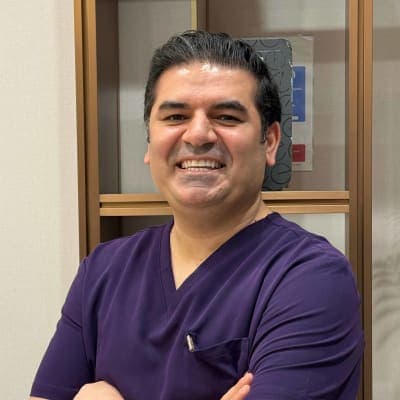
Dr. Yasha Y Shirazi
Principal Dentist & Clinical Director
GDC: 195843
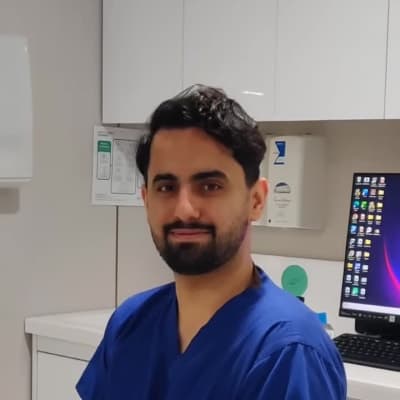
Dr. Reza Davari
Dentist
GDC: 302422
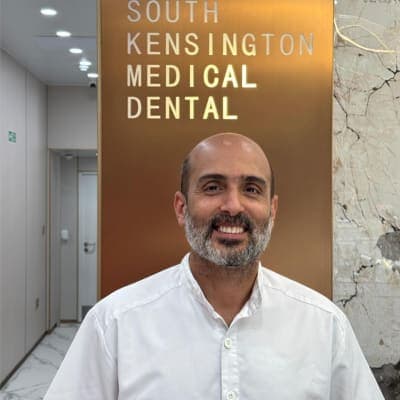
Dr. Kamran Yazdi
Dentist
GDC: 197926

Dr. Andreia Phipps
Dentist
GDC: 229601
Patient Reviews
What Our Patients Say
Related Services
Related Treatments & Services
Registered · Regulated · Trusted
Your Safety Is Our Priority
Our South Kensington and City of London clinics are regulated by the Care Quality Commission (CQC) and all our clinicians are registered with the General Dental Council (GDC).
CQC Regulated
Both clinics
GDC Registered
All clinicians
4.9/5 Rating
Google Reviews
CQC Provider: Medical and Dental Limited · Registration No. 1-20629579981
Assessment for Missing Tooth
Missing a Tooth?
If you have a missing tooth or have noticed a gap affecting your bite or appearance, a professional dental assessment can help identify possible causes and determine appropriate replacement options based on your individual needs.