Loose Tooth
in Adults
Adult teeth are designed to be stable and should not normally feel loose. A loose tooth in adulthood may indicate an underlying dental issue, developing gradually or occurring suddenly depending on the cause. A professional dental assessment is important to identify contributing factors and determine appropriate management.
New Patient Examination
Only £30 £95for new patients
Understanding the Concern
What Is a Loose Tooth in Adults?
A loose tooth refers to an increase in movement of a tooth within its socket. Healthy adult teeth have a very small amount of natural movement, but any noticeable mobility — whether felt only by the tongue or visible when biting — is outside the normal range and warrants professional review.
Mobility may range from mild looseness, where the tooth moves only under gentle pressure, to more noticeable movement that becomes apparent during chewing or speaking. Sometimes a single tooth is affected; in other cases, multiple teeth show similar changes, often reflecting a more generalised underlying issue.
It is important to distinguish this from the normal movement seen in children as baby teeth are shed. In adulthood, teeth are not designed to become loose, and any change should be interpreted as a sign that clinical evaluation is needed to determine the cause and severity.
Symptoms & Warning Signs
Tooth movement or instability
A sense that the tooth is no longer as firm as the teeth around it, or a slight visible movement when gently tested
Discomfort when biting or chewing
Tenderness or dull discomfort when biting on the affected tooth, sometimes felt only with certain foods or at specific angles
Gum swelling or bleeding
Swollen, tender or bleeding gums around the tooth — particularly when brushing or flossing — which may indicate active gum inflammation
Receding gums
The gum may appear to have shrunk back from the tooth, making it look longer than neighbouring teeth and exposing more of the root surface
Sensitivity in the affected tooth
Sensitivity to hot, cold, sweet or acidic foods and drinks, sometimes reflecting gum recession or exposed root surfaces
Feeling that the tooth is shifting
A gradual sense that the tooth is moving position, changes in how the teeth meet, or spaces developing between previously tight teeth
Symptoms vary depending on the underlying cause. Looseness that follows an injury, is accompanied by significant pain, swelling or bleeding warrants prompt professional review.
Contributing Factors
Common Causes and Contributing Factors
Tooth mobility in adults is rarely caused by a single factor. A combination of gum health, bone support, bite patterns and habits typically shapes how and why looseness develops.
Gum disease (periodontal disease)
The most common cause of loose teeth in adults. Advanced gum disease involves loss of the bone that supports teeth, gradually reducing stability — often without significant pain in the early stages
Injury or trauma
A blow to the face or mouth, a fall, or an impact during sport can damage the fibres and bone that hold a tooth in place, causing immediate or delayed looseness
Teeth grinding or clenching (bruxism)
Repeated heavy loading from grinding or clenching can place excessive forces on individual teeth, which may contribute to mobility — particularly where bone support is already reduced
Infection around the tooth
Dental abscesses and spreading infection around the root or between the gum and tooth can affect the supporting tissues, sometimes leading to acute or persistent mobility
Bone loss supporting the tooth
Reduction of the bone around a tooth — from gum disease, previous infection or long-term trauma — decreases how firmly the tooth is held, and is a common underlying factor in mobility
Bite-related forces or misalignment
Teeth that experience uneven or excessive bite forces due to misalignment, heavily worn teeth or high restorations can develop increased mobility over time
Why It Matters
Potential Risks if Not Addressed
Without timely assessment, gum-related causes of mobility can progress. Gum disease often advances gradually, with further loss of the bone supporting the teeth — which in turn can increase tooth mobility and affect surrounding teeth.
Continued movement places strain on the remaining supporting tissues and can lead to greater instability over time. In more advanced cases, teeth may become non-restorable, increasing the likelihood of tooth loss and the need for replacement options.
Infection around a loose tooth may spread into the surrounding tissues, and changes in the position of the tooth can affect the bite — sometimes creating further uneven forces on neighbouring teeth. Early professional assessment allows these issues to be identified and managed before they become more complex.
Your Options
Treatment and Management Options
Treatment depends on clinical assessment and the underlying cause. Management varies based on severity, and a personalised approach is recommended following professional examination.
Dental Hygienist Care
Professional deep cleaning to reduce plaque and calculus around the gums, supporting management of periodontal disease.
Learn MoreGum Disease Assessment
Detailed evaluation of gum health, pocket depths and bone support, forming the basis of a periodontal treatment plan.
Learn MoreNight Guards for Grinding
Custom-made appliances worn at night to reduce loading on teeth and supporting structures where grinding is a contributing factor.
Learn MoreSports Guards
Custom mouthguards providing protection during sport, helping reduce the risk of trauma to vulnerable or previously injured teeth.
Learn MoreEmergency Dental Review
Prompt assessment for loose teeth following trauma, acute pain, swelling or a rapidly worsening change in mobility.
Learn MorePrivate Dental Care
Comprehensive, unhurried assessment including examination, radiographs and tailored planning for long-term dental health.
Learn MoreWhere the underlying cause is periodontal, treatment of gum disease forms the foundation of management. Where the outlook for a specific tooth is limited, onward referral for specialist periodontal care — or planning for future replacement with options such as dental implants or bridges — may be discussed.
Your First Step
Importance of Professional Dental Assessment
A loose tooth in adulthood is an indication for prompt evaluation. Because the underlying cause can only be confirmed through examination — and in many cases radiographs — it is important not to delay professional review.
Clinical assessment considers the gum health, bone support and mobility of the affected tooth, alongside the condition of neighbouring teeth and the bite as a whole. Where appropriate, radiographs help evaluate the level of bone around the tooth and any other contributing factors.
Early intervention may help manage progression and can, in some cases, improve the outlook for the affected tooth. A tailored plan can combine protective measures, gum treatment and ongoing monitoring according to your individual findings.
What to Expect
- 1Discussion of symptoms, onset, any recent trauma and relevant medical and dental history
- 2Examination of the affected tooth and neighbouring teeth, including a careful check of mobility and gum condition
- 3Assessment of gum health, pocket depths and any areas of recession or inflammation
- 4Radiographs where appropriate, to evaluate bone support, root health and signs of infection
- 5Clear explanation of findings, including likely contributing factors and an open discussion of the outlook
- 6Personalised plan combining gum treatment, protective measures and monitoring, with referral where appropriate
Two Convenient Locations
Visit Us in Central London
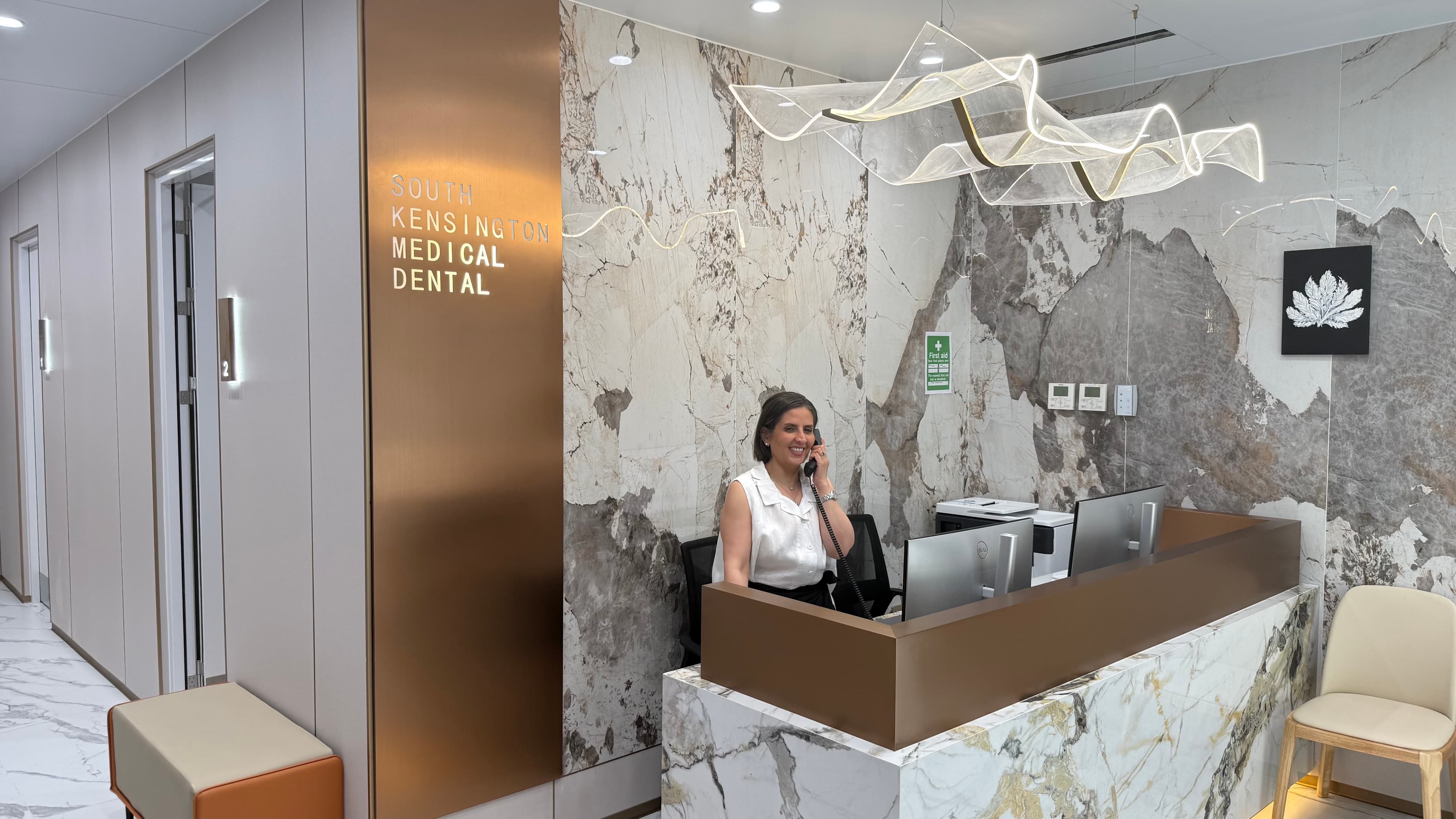
Assessment and treatment planning for loose teeth and other dental concerns are available at our London clinic, where professional evaluation can help determine appropriate care options.
South Kensington
Now Open20 Old Brompton Road, South Kensington, London SW7 3DL
Mon & Wed: 9 am – 6 pm
Tue & Thu: 9 am – 8 pm
Fri: 9 am – 5 pm
Sat & Sun: 10 am – 4 pm
1 min from South Kensington tube (District, Circle & Piccadilly)
City of London
Now Open5 Ave Maria Lane, City of London, London EC4M 7AQ
Mon – Thu: 8 am – 6 pm
Fri: 8 am – 2 pm
Sat & Sun: Closed
3 min from St Paul's tube (Central line) · 5 min from Blackfriars
Common Questions
Loose Tooth FAQ
Your Dental Team
Experienced Dentists
All our dentists are GDC registered and experienced in assessing tooth mobility, gum health and associated restorative concerns with careful, personalised guidance.

Dr. Yasha Y Shirazi
Principal Dentist & Clinical Director
GDC: 195843
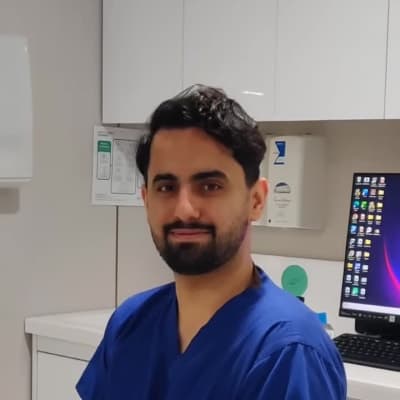
Dr. Reza Davari
Dentist
GDC: 302422
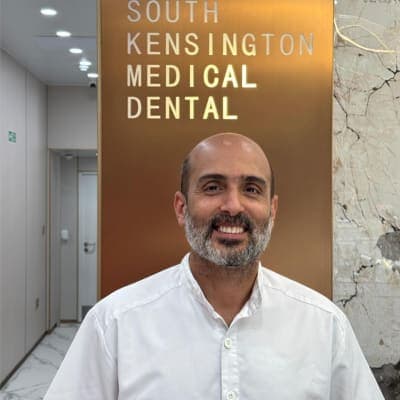
Dr. Kamran Yazdi
Dentist
GDC: 197926

Dr. Andreia Phipps
Dentist
GDC: 229601
Patient Reviews
What Our Patients Say
Related Services
Related Treatments & Services
Registered · Regulated · Trusted
Your Safety Is Our Priority
Our South Kensington and City of London clinics are regulated by the Care Quality Commission (CQC) and all our clinicians are registered with the General Dental Council (GDC).
CQC Regulated
Both clinics
GDC Registered
All clinicians
4.9/5 Rating
Google Reviews
CQC Provider: Medical and Dental Limited · Registration No. 1-20629579981
Assessment for Loose Tooth
Noticed a Loose or Moving Tooth?
If you have noticed a loose or moving tooth, it is important to seek a professional dental assessment to identify possible causes and determine appropriate management options based on your individual needs.