Jaw Clicking
or Popping
Jaw clicking or popping refers to sounds or sensations when opening or closing the mouth. The temporomandibular joint (TMJ) connects the jaw to the skull, and clicking may occur with or without pain — developing gradually or suddenly. A professional dental assessment is important to identify contributing factors and determine appropriate management.
New Patient Examination
Only £30 £95for new patients
Understanding the Joint
What Is the Temporomandibular Joint (TMJ)?
The temporomandibular joint (TMJ) is the joint that connects the lower jaw (mandible) to the skull, just in front of each ear. It allows the complex range of movements needed for speaking, chewing and yawning, and is one of the most frequently used joints in the body.
The joint works together with the surrounding muscles, ligaments and a small cushioning disc. The disc sits between the jaw bone and the skull, moving smoothly as the jaw opens and closes. When everything is functioning well, jaw movement is silent, comfortable and symmetrical.
Clinical evaluation of the TMJ involves assessing how the jaw opens and closes, whether movement is even on both sides, and whether there is tenderness in the joint or surrounding muscles. A dental examination helps identify whether any changes in joint function are present and how they may relate to other factors such as the bite or habits like clenching.
Symptoms & Warning Signs
Clicking, popping or grinding sounds
An audible or felt click or pop during opening, closing or chewing movements — sometimes intermittent, sometimes occurring with most movements
Jaw pain or tenderness
Discomfort in or around the joint, cheek muscles or temples — particularly when chewing, yawning or after periods of clenching
Difficulty opening or closing the mouth
A feeling that the jaw catches, sticks or does not move smoothly, sometimes combined with a sensation that the bite feels different
Uneven or restricted jaw movement
The lower jaw may deviate to one side on opening, or feel as though it does not move equally on both sides — this can accompany clicking sensations
Headaches or facial pain
Persistent headaches — particularly around the temples — and diffuse facial pain can reflect muscle fatigue and joint strain associated with TMJ dysfunction
Ear-related symptoms
Because the TMJ sits close to the ear, symptoms such as a feeling of fullness, pressure or discomfort in or around the ear may accompany jaw clicking
Symptoms vary depending on the cause. Jaw locking, significant pain or a sudden change in how the jaw moves should prompt timely professional review.
How It Happens
What Causes Jaw Clicking or Popping?
In many cases, jaw clicking or popping relates to movement of the small disc within the TMJ. When the disc is slightly out of position, it may briefly move as the jaw opens and then return as it closes — producing an audible click or pop. This can occur with or without any associated pain.
The click itself does not always indicate a serious problem. Many people have a painless click that remains stable for years without any progression or functional limitation. In other cases, clicking may be accompanied by discomfort, restricted movement or changes in how the jaw feels.
Clinical assessment is the best way to determine the significance of jaw clicking in each individual case. Factors such as clenching, grinding, bite pattern, muscle tension and previous injury are all considered as part of a careful evaluation, which helps guide the most appropriate next steps.
Contributing Factors
Common Causes and Contributing Factors
Jaw clicking is rarely caused by a single factor. A combination of influences — physical, habitual and joint-related — typically shapes how symptoms develop over time.
Teeth grinding or clenching (bruxism)
Repeated grinding or sustained clenching — especially at night — places continuous load on the jaw muscles and joint, and is one of the most frequently recognised contributors to TMJ symptoms including clicking
Jaw injury or trauma
A direct blow to the jaw or face, whiplash-type injuries, or incidents involving prolonged mouth opening (such as some dental procedures) can affect the joint and disc, sometimes leading to ongoing clicking or discomfort
Bite alignment issues
Variations in how the upper and lower teeth meet can influence how the jaw joint moves. Uneven loading of the joint may contribute to disc displacement and associated clicking or popping
Stress-related muscle tension
Periods of stress can increase tension in the muscles around the jaw and neck, altering jaw posture and movement patterns. This can influence how smoothly the joint functions
Disc displacement within the joint
The small disc within the TMJ can sometimes sit slightly out of position. As the jaw opens or closes, the disc may briefly move and reposition, producing an audible click or pop
Arthritis affecting the joint
Age-related changes or inflammatory conditions affecting the TMJ — such as osteoarthritis — can alter the surfaces of the joint and contribute to clicking, grinding sensations and stiffness
Habitual jaw movements
Long-term habits such as chewing gum excessively, biting nails, holding objects between the teeth or opening the mouth very widely can place repeated strain on the joint and contribute to symptoms
Why It Matters
Potential Risks if Not Addressed
Without appropriate assessment and management, jaw clicking that is accompanied by discomfort may develop into persistent pain, affecting everyday activities such as eating, speaking and sleeping. Muscle fatigue around the jaw and face can also become more prominent over time.
In some individuals, ongoing symptoms can contribute to reduced jaw mobility or episodes where the jaw feels as though it catches or locks. This can affect confidence when eating or speaking and may gradually influence the range of foods a person is comfortable consuming.
Continued progression of joint dysfunction can, in some cases, lead to more complex management being required. Addressing the symptoms early — through careful clinical assessment and tailored measures such as a custom appliance — can help support long-term comfort and function.
Your Options
Treatment and Management Options
Treatment depends on clinical assessment and the underlying contributing factors. Management varies based on cause, and a personalised approach is recommended following professional evaluation.
Custom Night Guards
Professionally made splints worn at night to reduce load on the jaw joint and muscles — often helpful where clenching or grinding is a contributing factor.
Learn MoreBite & Jaw Function Assessment
Careful evaluation of the bite, jaw movement and muscles as part of general dental care, helping to identify factors contributing to jaw symptoms.
Learn MoreSports Guards
Custom-made appliances that can offer jaw and tooth protection during sport and physical activity, supporting individuals with TMJ-related concerns.
Learn MorePrivate Dental Care
Comprehensive, unhurried assessment with detailed evaluation of the TMJ, muscles, bite and dentition to plan appropriate care.
Learn MoreRestorative Treatment
Where tooth wear, damaged restorations or bite imbalance are contributing factors, restorative treatment may form part of a broader management plan.
Learn MoreEmergency Dental Care
Prompt review for acute jaw symptoms — such as sudden locking, severe pain or inability to close the mouth — that benefit from timely attention.
Learn MoreYour First Step
Importance of Professional Dental Assessment
Because jaw clicking may have multiple contributing factors, careful examination is the most reliable way to identify what is influencing your symptoms. Your dentist will consider the teeth, muscles, joint function, bite and any relevant habits as part of a comprehensive review.
Assessment of bite and jaw function includes observing how the jaw opens and closes, whether movement is even on both sides, and identifying any tenderness in the muscles or joint. Where needed, additional investigation or referral may be considered to clarify specific findings.
A tailored plan can then be developed — which may combine monitoring, protective appliances and advice on jaw habits. Early assessment can help support symptom management and may reduce the likelihood of more complex care being needed later.
What to Expect
- 1Discussion of symptoms, onset, aggravating factors and any previous jaw injury or dental history
- 2Examination of jaw opening, movement, symmetry and the presence of clicking or restricted movement
- 3Assessment of jaw muscles, TMJ tenderness and wider musculoskeletal factors where relevant
- 4Review of bite, occlusion and any signs of clenching or grinding on the teeth and restorations
- 5Clear explanation of findings and likely contributing factors, with discussion of suitable management options
- 6Personalised plan combining monitoring, protective appliances and further referral where appropriate
Two Convenient Locations
Visit Us in Central London
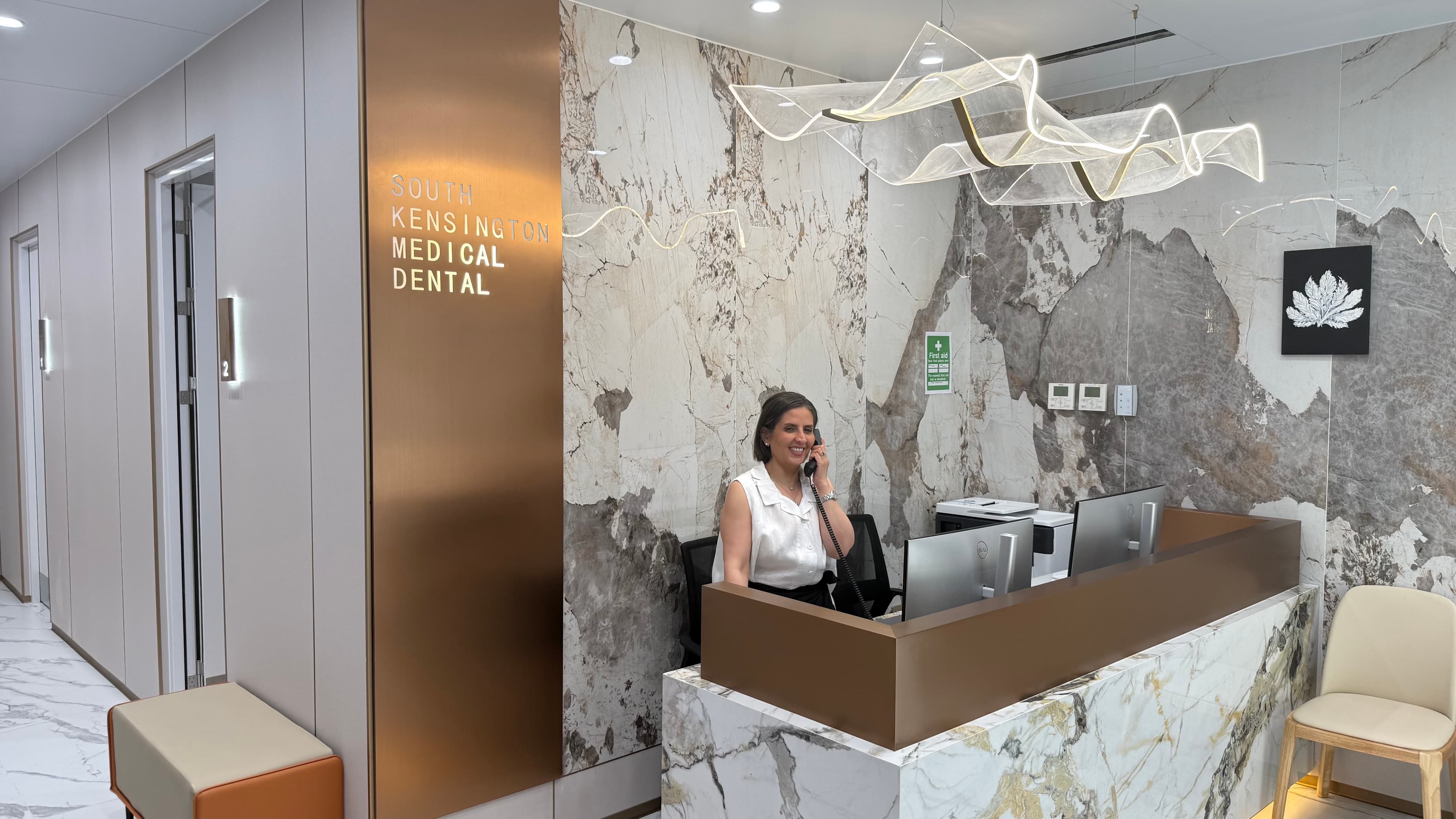
Assessment and treatment planning for jaw clicking, popping, and other dental concerns are available at our London clinic, where professional evaluation can help determine appropriate care options.
South Kensington
Now Open20 Old Brompton Road, South Kensington, London SW7 3DL
Mon & Wed: 9 am – 6 pm
Tue & Thu: 9 am – 8 pm
Fri: 9 am – 5 pm
Sat & Sun: 10 am – 4 pm
1 min from South Kensington tube (District, Circle & Piccadilly)
City of London
Now Open5 Ave Maria Lane, City of London, London EC4M 7AQ
Mon – Thu: 8 am – 6 pm
Fri: 8 am – 2 pm
Sat & Sun: Closed
3 min from St Paul's tube (Central line) · 5 min from Blackfriars
Common Questions
Jaw Clicking FAQ
Your Dental Team
Experienced Dentists
All our dentists are GDC registered and experienced in assessing TMJ-related concerns, including jaw clicking, popping and associated symptoms — with calm, personalised guidance.

Dr. Yasha Y Shirazi
Principal Dentist & Clinical Director
GDC: 195843
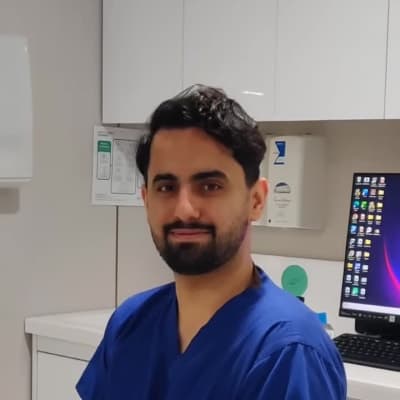
Dr. Reza Davari
Dentist
GDC: 302422

Dr. Kamran Yazdi
Dentist
GDC: 197926

Dr. Andreia Phipps
Dentist
GDC: 229601
Patient Reviews
What Our Patients Say
Related Services
Related Treatments & Services
Registered · Regulated · Trusted
Your Safety Is Our Priority
Our South Kensington and City of London clinics are regulated by the Care Quality Commission (CQC) and all our clinicians are registered with the General Dental Council (GDC).
CQC Regulated
Both clinics
GDC Registered
All clinicians
4.9/5 Rating
Google Reviews
CQC Provider: Medical and Dental Limited · Registration No. 1-20629579981
Assessment for Jaw Clicking or Popping
Noticed Jaw Clicking or Popping?
If you are experiencing jaw clicking, popping, or discomfort when moving your jaw, a professional dental assessment can help identify possible causes and determine appropriate management options based on your individual needs.