
Dry Socket
After Extraction
Dry socket — clinically known as alveolar osteitis — is a condition that can occur after a tooth extraction when the protective blood clot at the site is lost or does not form properly. While it can cause increased discomfort compared to typical healing, prompt professional assessment and management can help support recovery.
New Patient Examination
Only £30 £95for new patients
Understanding the Condition
What Is Dry Socket?
Dry socket — clinically known as alveolar osteitis — is a post-extraction complication that occurs when the blood clot that normally forms at the extraction site is lost, dissolves prematurely or fails to develop properly. This blood clot plays an essential role in healing: it protects the underlying bone and nerve endings and provides the foundation for new tissue growth.
When the clot is absent or disrupted, the bone and nerves within the socket become exposed to air, food and bacteria. This typically leads to increased pain and sensitivity compared to normal post-extraction healing, and may delay the recovery process. Dry socket most commonly develops two to four days after extraction.
While dry socket can be uncomfortable, it is a well-understood condition that responds to professional management. A dental assessment can confirm the diagnosis, rule out other potential causes of discomfort, and provide targeted treatment to support healing and improve comfort.
Symptoms & Warning Signs
Increasing pain after extraction
Pain that worsens or develops two to four days after the extraction, rather than gradually improving as expected during normal healing
Radiating pain to ear or jaw
Discomfort that spreads beyond the extraction site to the ear, temple, eye or along the jawline on the affected side
Empty-looking socket
The extraction site may appear empty or dry, with whitish bone visible where a dark blood clot would normally be present
Unpleasant taste or odour
A foul taste in the mouth or persistent bad breath originating from the affected area, caused by exposed tissue and debris
Delayed healing
The extraction site does not appear to be closing or improving at the expected rate compared to normal post-extraction recovery
Sensitivity in the affected area
Heightened sensitivity to air, food, liquids or touch around the extraction site due to exposed bone and nerve endings
If pain worsens rather than improves two or more days after extraction, contact your dentist for an assessment — this is the most reliable indicator that dry socket may have developed.
The Healing Process
Why Does Dry Socket Occur?
After a tooth is extracted, the body forms a blood clot within the empty socket. This clot acts as a biological dressing — covering the exposed bone and nerve tissue, protecting the area from infection, and providing a scaffold for the growth of new tissue that will eventually fill the socket.
Dry socket develops when this protective clot is lost, dissolved or fails to form adequately. Without it, the underlying bone and nerve endings are left exposed to the oral environment — including saliva, air, food particles and bacteria. This exposure causes the characteristic pain and sensitivity associated with the condition.
The condition typically develops two to four days after extraction, a timeframe that distinguishes it from normal post-surgical discomfort, which tends to be at its worst immediately after the procedure and then gradually improves. Several factors can increase the likelihood of the clot being disrupted, and these are discussed below.
Contributing Factors
Common Causes & Risk Factors
Several factors may increase the risk of developing dry socket. In many cases, more than one factor may be involved. Understanding these risks can help guide preventive aftercare.
Smoking or tobacco use
Chemicals in tobacco can impair blood flow to the extraction site and interfere with clot formation and stability, significantly increasing the risk of dry socket
Poor oral hygiene
Bacteria around the extraction site can disrupt the blood clot or cause localised infection, preventing the normal healing process from taking place
Difficult or surgical extractions
Complex or surgical extractions — particularly impacted wisdom teeth — involve more tissue disruption and are associated with a higher incidence of dry socket
Previous history of dry socket
Patients who have experienced dry socket following a previous extraction may be at increased risk of it recurring, and preventive measures can be discussed
Medical or healing-related factors
Certain medications, medical conditions affecting blood clotting or immune function, and use of oral contraceptives may influence healing and clot stability
Disturbance of the extraction site
Vigorous rinsing, using straws, prodding the area with the tongue, or eating hard foods too soon can physically dislodge the protective blood clot
Why It Matters
Potential Risks if Not Addressed
While dry socket is not typically a dangerous condition, leaving it unmanaged can lead to persistent or worsening discomfort that significantly affects daily life. Pain may become increasingly difficult to control with over-the-counter medication alone, and can interfere with eating, sleeping and concentration.
Without professional treatment, healing of the extraction site is often delayed. The exposed bone and tissue remain vulnerable to irritation from food, bacteria and the oral environment, which can prolong symptoms and, in some cases, lead to localised infection of the socket.
Professional management — including cleaning, medicated dressings and monitoring — helps protect the site, manage discomfort effectively and support the natural healing process. Most patients who receive appropriate care experience a significant improvement in comfort within a few days of treatment beginning.
Your Options
Treatment & Management Options
Management of dry socket is tailored to the individual and depends on the severity of symptoms and the condition of the extraction site. A personalised approach is developed following thorough assessment.
Cleaning the Extraction Site
Gentle irrigation and debridement of the socket removes any debris or food particles that may have accumulated, creating a clean environment to support healing.
Learn MoreMedicated Dressings
A medicated paste or dressing is placed directly into the socket to protect the exposed bone, reduce discomfort and promote healing. Dressings may be changed at follow-up visits.
Learn MoreMonitoring Healing Progress
Regular review appointments allow your dentist to assess how the site is healing, change dressings as needed and ensure recovery is progressing as expected.
Learn MorePain Management
Advice on appropriate pain relief — including over-the-counter options and, where necessary, prescribed medications — helps manage discomfort during the healing period.
Learn MoreFollow-Up Care
Continued monitoring until the extraction site has healed ensures any complications are identified and addressed promptly, with aftercare advice tailored to your situation.
Learn MoreEmergency Dental Assessment
If symptoms develop outside normal hours or are causing significant discomfort, our emergency dental service can provide prompt assessment and management.
Learn MoreYour First Step
Importance of Professional Dental Assessment
Dry socket requires professional evaluation to confirm the diagnosis, as post-extraction discomfort can have several causes — including normal healing, infection, or retained fragments. A thorough clinical examination allows your dentist to determine exactly what is happening and provide targeted treatment.
During your assessment, your dentist will examine the extraction site, review your symptoms and healing timeline, and may take X-rays where appropriate to rule out other causes. If dry socket is confirmed, treatment typically begins immediately — with cleaning and placement of a medicated dressing to protect the site and relieve discomfort.
Follow-up appointments are arranged to monitor healing progress, change dressings as needed, and ensure recovery is on track. Your dentist will also provide tailored aftercare advice to support healing and reduce the risk of further complications. Early assessment — ideally as soon as symptoms change — may help improve comfort and support a smoother recovery.
What to Expect
- 1Review of your symptoms, extraction history and healing timeline
- 2Clinical examination of the extraction site and surrounding tissues
- 3X-rays where appropriate to rule out other causes of discomfort
- 4Gentle cleaning and irrigation of the socket
- 5Placement of medicated dressing to protect bone and manage pain
- 6Follow-up plan with dressing changes and monitoring as needed
Two Convenient Locations
Visit Us in Central London
Assessment and treatment planning for post-extraction concerns and other dental issues are available at our London clinic, where professional evaluation can help determine appropriate care options.
South Kensington
Now Open20 Old Brompton Road, South Kensington, London SW7 3DL
Mon & Wed: 9 am – 6 pm
Tue & Thu: 9 am – 8 pm
Fri: 9 am – 5 pm
Sat & Sun: 10 am – 4 pm
1 min from South Kensington tube (District, Circle & Piccadilly)
City of London
Now Open5 Ave Maria Lane, City of London, London EC4M 7AQ
Mon – Thu: 8 am – 6 pm
Fri: 8 am – 2 pm
Sat & Sun: Closed
3 min from St Paul's tube (Central line) · 5 min from Blackfriars
Common Questions
Dry Socket FAQ
Your Dental Team
Experienced Dentists
All our dentists are GDC registered and experienced in the management of post-extraction complications including dry socket, providing prompt and personalised care.

Dr. Yasha Y Shirazi
Principal Dentist & Clinical Director
GDC: 195843
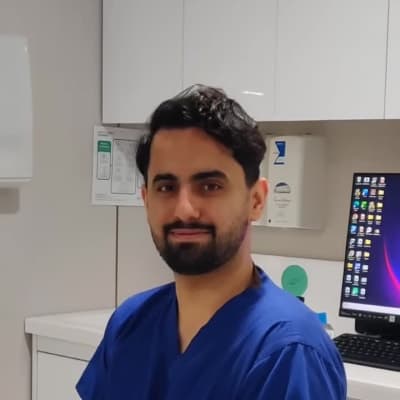
Dr. Reza Davari
Dentist
GDC: 302422

Dr. Kamran Yazdi
Dentist
GDC: 197926

Dr. Andreia Phipps
Dentist
GDC: 229601
Patient Reviews
What Our Patients Say
Related Services
Related Treatments & Services
Registered · Regulated · Trusted
Your Safety Is Our Priority
Our South Kensington and City of London clinics are regulated by the Care Quality Commission (CQC) and all our clinicians are registered with the General Dental Council (GDC).
CQC Regulated
Both clinics
GDC Registered
All clinicians
4.9/5 Rating
Google Reviews
CQC Provider: Medical and Dental Limited · Registration No. 1-20629579981
Assessment for Dry Socket
Pain After an Extraction?
If you are experiencing increasing pain or unusual symptoms following a tooth extraction, a professional dental assessment can help determine whether dry socket or another condition is present and guide appropriate management.