Crossbite
Causes & Treatment
A crossbite occurs when some upper teeth sit inside the lower teeth when biting together. This common form of malocclusion can affect one tooth, a group of teeth, or the entire bite, and may occur at the front or back of the mouth. A professional dental assessment can help identify contributing factors and determine appropriate management.
New Patient Examination
Only £30 £95for new patients
Understanding the Condition
What Is a Crossbite?
A crossbite is a type of malocclusion — or bite misalignment — in which some upper teeth sit inside the lower teeth rather than slightly outside them. In a well-aligned bite, the upper teeth normally overlap the lower teeth on the outer side. When this relationship is reversed for one or more teeth, a crossbite exists.
The condition can involve an abnormal sideways (lateral) relationship between the upper and lower teeth and may be caused by the positioning of individual teeth, the structure of the jaws, or a combination of both. It can affect the front teeth (anterior crossbite), the back teeth (posterior crossbite), or teeth on one or both sides of the mouth.
Crossbites vary considerably in severity. Some patients have a single tooth in crossbite that causes no functional problems, while others have more extensive involvement that affects chewing efficiency, comfort and jaw function. A thorough dental assessment helps determine the type and extent of the crossbite and the most appropriate approach to management.
Symptoms & Warning Signs
Teeth not aligning properly when biting
Some upper teeth may visibly sit inside the lower teeth when you close your mouth, rather than slightly outside them as expected
Uneven chewing patterns
You may notice a preference for chewing on one side of the mouth, or that food is not being broken down evenly during eating
Jaw discomfort or strain
The jaw may feel stiff, tired or uncomfortable, particularly after eating or upon waking, due to compensatory movements during chewing
Tooth wear in affected areas
Teeth involved in the crossbite may show signs of accelerated or uneven wear due to the abnormal contact pattern when biting
Difficulty biting certain foods
Crossbite can affect the efficiency of the bite, making it harder to bite through or chew certain foods comfortably
Facial asymmetry
In some cases, particularly with unilateral crossbite, the jaw may shift to one side during biting, which can contribute to subtle facial asymmetry
A feeling of imbalance in the bite
Many patients describe a general sense that their teeth do not meet evenly or comfortably when closing their mouth
Symptoms vary depending on the type and severity of the crossbite. Some patients may have no noticeable symptoms, while others experience discomfort or functional difficulties.
Classification
Types of Crossbite
Crossbites are classified by their location and extent. Identifying the type is an important part of assessment, as it helps guide the most appropriate management approach.
Anterior Crossbite
Affects the front teeth, where one or more upper front teeth sit behind the lower front teeth when biting together. This can affect the appearance and function of the bite.
Posterior Crossbite
Affects the back teeth, where one or more upper back teeth sit inside the lower back teeth. This is the most common type and can affect chewing efficiency.
Unilateral Crossbite
Affects only one side of the mouth. The bite may feel uneven, and chewing may be favoured on the unaffected side, potentially contributing to jaw strain.
Bilateral Crossbite
Affects both sides of the mouth. This type often involves a broader jaw discrepancy and may have a greater impact on overall bite function.
Contributing Factors
Common Causes and Contributing Factors
A crossbite typically develops as a result of multiple contributing factors. Understanding these can help inform management decisions and, in younger patients, may support preventive measures.
Jaw size or development differences
If the upper jaw is narrower than the lower jaw, or if the jaws grow at different rates, the upper teeth may not sit correctly outside the lower teeth when biting
Tooth positioning or crowding
Individual teeth may erupt at unusual angles or in incorrect positions due to crowding, leading to a crossbite affecting specific teeth rather than the entire arch
Delayed or irregular tooth eruption
When baby teeth are lost too early or too late, or permanent teeth erupt out of sequence, the resulting positioning can create a crossbite relationship
Childhood habits
Prolonged thumb sucking, dummy use or tongue thrusting during childhood can influence jaw development, potentially narrowing the upper arch and contributing to crossbite
Breathing patterns
Chronic mouth breathing during childhood may affect the development of the upper jaw, as the tongue position and airway dynamics can influence palatal width and tooth alignment
Previous dental work
Poorly fitting restorations, tooth loss without replacement or previous extractions can alter the bite relationship and contribute to crossbite development over time
Why It Matters
Potential Risks if Not Addressed
While some crossbites are mild and cause few immediate problems, the condition can have longer-term implications if left unmanaged. Teeth involved in a crossbite are subject to abnormal contact forces, which can lead to uneven or accelerated wear over time. This wear pattern may eventually compromise tooth structure and require restorative treatment.
A crossbite can also place increased strain on the jaw joints and muscles. Compensatory chewing patterns — such as favouring one side of the mouth — may contribute to jaw discomfort, tension or symptoms associated with temporomandibular joint (TMJ) dysfunction. Some patients may also experience headaches or facial pain related to these imbalances. Habits such as teeth grinding can compound these effects.
In children, an uncorrected crossbite may influence jaw growth and development. The jaw may adapt around the misalignment, potentially leading to facial asymmetry or more complex orthodontic needs later. Crowded areas created by a crossbite can also be more difficult to keep clean, increasing the risk of decay and gum disease in those regions.
Regular dental monitoring allows your dentist to track any changes and recommend intervention at the most appropriate time, before the condition becomes more complex to manage.
Your Options
Treatment and Management Options
Management depends on the type and severity of the crossbite, the underlying cause, and your individual needs. Your dentist will recommend the most appropriate option following a thorough clinical assessment.
Monitoring
Mild crossbites that are not causing functional problems or progressive changes may be monitored at routine check-ups, with treatment recommended only if the condition changes.
Learn MoreClear Aligners
Custom-made removable aligners that gradually reposition teeth. May be suitable for certain types of crossbite where tooth movement alone can address the misalignment.
Learn MoreInvisible Braces
Fixed or removable orthodontic systems designed to correct bite alignment with a discreet appearance. Can address a range of crossbite types depending on severity.
Learn MoreDental Appliances
Palatal expanders or other specialised appliances may be used to widen the upper jaw or adjust the bite relationship, particularly in younger patients where growth is still occurring.
Learn MoreBite Adjustment
In some cases, minor reshaping of tooth surfaces or adjustment of dental restorations can improve how the teeth meet, reducing strain and discomfort from the crossbite.
Learn MoreSpecialist Referral
More complex cases involving significant jaw discrepancies may require referral to an orthodontist or oral surgeon for comprehensive assessment and management planning.
Learn MoreYour First Step
Importance of Professional Dental Assessment
Crossbite can vary considerably in type, severity and underlying cause. What may appear to be a simple tooth positioning issue could involve a broader jaw relationship, and vice versa. A comprehensive dental examination is essential to accurately assess the condition and determine the most appropriate management.
During your assessment, your dentist will evaluate how your upper and lower teeth meet, examine the alignment and spacing of individual teeth, and assess the relationship between your jaws. The functional impact on chewing and jaw movement will also be considered. Photographs, impressions or imaging may be used where appropriate.
Early identification of a crossbite — particularly in children — may support more straightforward management, as treatment can sometimes take advantage of ongoing growth and development. In adults, a range of options remain available. Your dentist will explain all suitable approaches, expected outcomes and associated costs before any treatment begins, ensuring a personalised plan tailored to your individual needs.
What to Expect
- 1Clinical examination of how upper and lower teeth meet when biting
- 2Assessment of individual tooth positions and spacing
- 3Evaluation of jaw relationship, symmetry and function
- 4Identification of any associated wear, decay or gum problems
- 5Clear explanation of all treatment options and associated costs
- 6Personalised management plan tailored to your individual needs
Two Convenient Locations
Visit Us in Central London
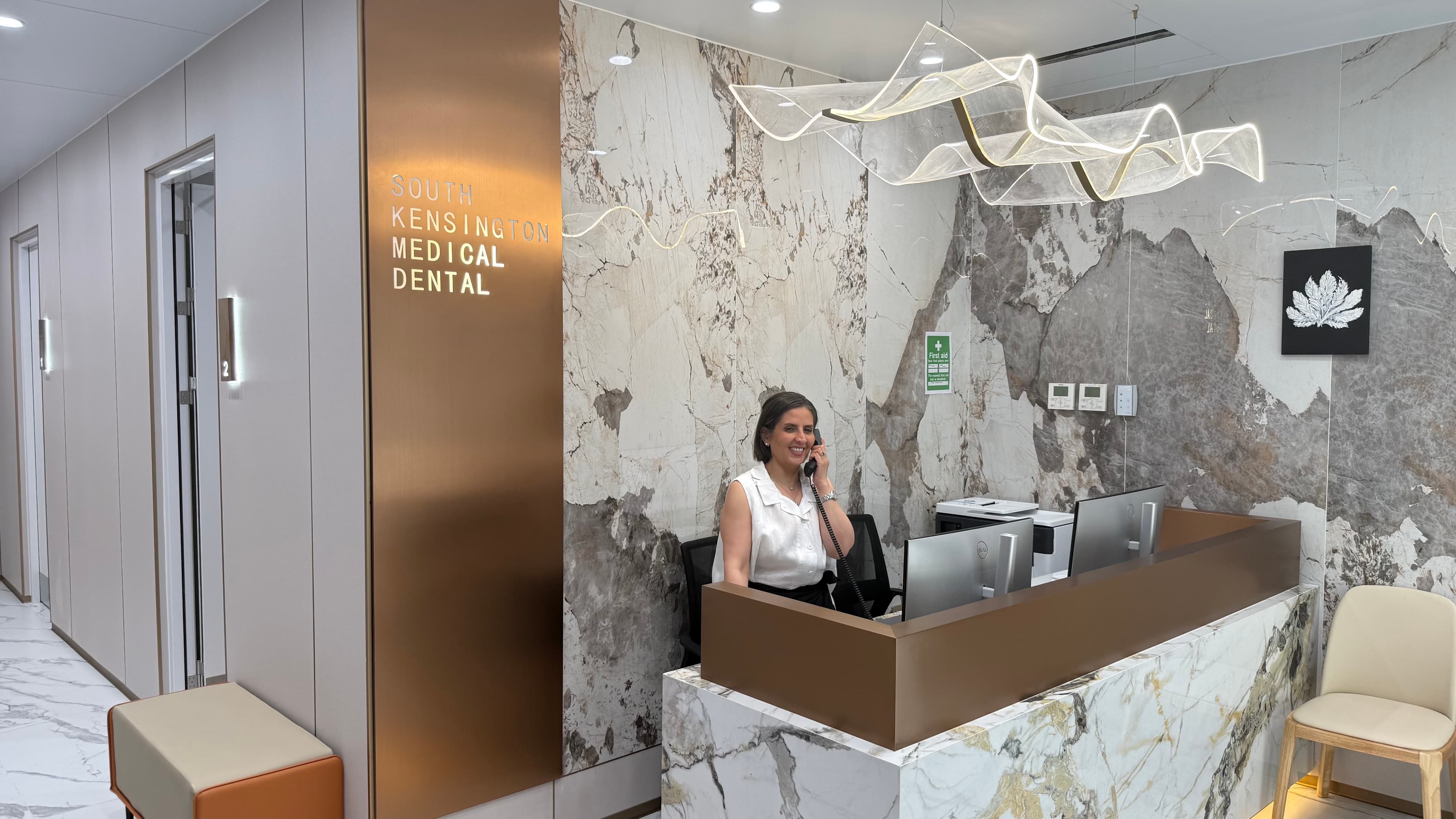
Assessment and treatment planning for crossbite and other dental concerns are available at our London clinic, where professional evaluation can help determine appropriate care options.
South Kensington
Now Open20 Old Brompton Road, South Kensington, London SW7 3DL
Mon & Wed: 9 am – 6 pm
Tue & Thu: 9 am – 8 pm
Fri: 9 am – 5 pm
Sat & Sun: 10 am – 4 pm
1 min from South Kensington tube (District, Circle & Piccadilly)
City of London
Now Open5 Ave Maria Lane, City of London, London EC4M 7AQ
Mon – Thu: 8 am – 6 pm
Fri: 8 am – 2 pm
Sat & Sun: Closed
3 min from St Paul's tube (Central line) · 5 min from Blackfriars
Common Questions
Crossbite FAQ
Your Dental Team
Experienced Dentists
All our dentists are GDC registered and experienced in assessing and managing crossbite and other bite alignment concerns, providing personalised care for each patient.

Dr. Yasha Y Shirazi
Principal Dentist & Clinical Director
GDC: 195843
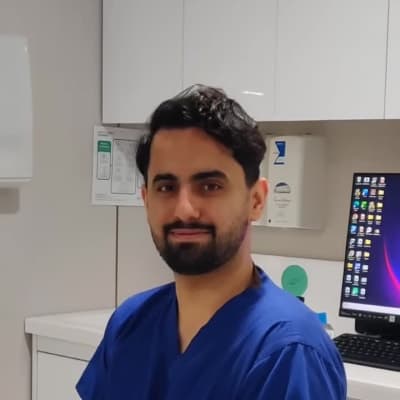
Dr. Reza Davari
Dentist
GDC: 302422

Dr. Kamran Yazdi
Dentist
GDC: 197926

Dr. Andreia Phipps
Dentist
GDC: 229601
Patient Reviews
What Our Patients Say
Related Services
Related Treatments & Services
Registered · Regulated · Trusted
Your Safety Is Our Priority
Our South Kensington and City of London clinics are regulated by the Care Quality Commission (CQC) and all our clinicians are registered with the General Dental Council (GDC).
CQC Regulated
Both clinics
GDC Registered
All clinicians
4.9/5 Rating
Google Reviews
CQC Provider: Medical and Dental Limited · Registration No. 1-20629579981
Assessment for Crossbite
Concerned About Your Bite Alignment?
If you have concerns about how your teeth align or notice that some teeth sit inside others when biting, a professional dental assessment can help identify possible causes and determine appropriate management options based on your individual needs.