Crooked Teeth
Causes & Treatment
Crooked or misaligned teeth are a common dental concern that can affect both the appearance and function of your smile. Whether mild or more complex, a professional assessment can help identify the contributing factors and determine the most appropriate management.
New Patient Examination
Only £30 £95for new patients
Understanding the Condition
What Are Crooked Teeth?
Crooked teeth — also known as dental misalignment or malocclusion — refers to teeth that do not sit in their intended position within the dental arch. They may appear twisted, rotated, overlapping, tilted or spaced unevenly, and can affect one tooth, several teeth, or the overall alignment of the bite.
Misalignment can occur in both the upper and lower arches and varies considerably in severity. Some individuals have mildly crowded or rotated teeth that are primarily a cosmetic concern, while others may have more significant misalignment that affects how the teeth meet, how they function during chewing, and how effectively they can be cleaned.
Crooked teeth are one of the most common dental concerns and can develop during childhood as the permanent teeth erupt, or change gradually throughout adulthood. A thorough dental assessment helps determine the extent of the misalignment, any functional implications, and the most appropriate management approach.
Symptoms & Warning Signs
Visible misalignment
Teeth that appear twisted, overlapping, rotated or out of their expected position within the dental arch
Difficulty cleaning between teeth
Overlapping or tightly crowded teeth can make it harder to brush and floss effectively, leaving areas prone to plaque build-up
Increased plaque accumulation
Hard-to-reach areas created by misalignment can harbour plaque and bacteria, increasing the risk of decay and gum inflammation
Bite irregularities
Misaligned teeth may cause the upper and lower teeth to meet unevenly, which can affect chewing efficiency and comfort
Gum irritation or inflammation
Plaque build-up in crowded areas can lead to localised gum redness, swelling or bleeding when brushing
Aesthetic concerns
Many patients become aware of crooked teeth primarily through their appearance, particularly when the front teeth are affected
Symptoms vary depending on the severity of misalignment. Even mild crowding can make certain areas harder to clean, so regular dental check-ups are recommended.
Contributing Factors
Common Causes and Contributing Factors
Crooked teeth usually result from a combination of genetic and environmental factors. Understanding these can help inform management decisions and, in some cases, preventive measures.
Genetic factors
Jaw size and tooth size are largely inherited. If the jaw is too small to accommodate all the teeth, or if teeth are disproportionately large, crowding and misalignment can result
Lack of space (crowding)
When there is insufficient space in the dental arch, teeth may overlap, rotate or erupt out of their intended position as they compete for room
Early or delayed loss of baby teeth
Losing baby teeth too early or too late can affect the eruption pathway of permanent teeth, leading to misalignment as adult teeth develop
Tooth eruption patterns
Some teeth may erupt at unusual angles, in the wrong order, or become impacted, disrupting the natural alignment of the surrounding teeth
Childhood habits
Prolonged thumb sucking, dummy use or tongue thrusting during childhood can influence jaw development and the positioning of teeth as they erupt
Previous dental work or tooth loss
Missing teeth, poorly fitting restorations or extractions without replacement can allow neighbouring teeth to drift into the gap, altering overall alignment
Why It Matters
Potential Risks if Not Addressed
While crooked teeth are often considered a cosmetic concern, misalignment can also have functional implications for oral health. Overlapping or tightly crowded teeth create areas that are difficult to reach with a toothbrush and floss, allowing plaque and bacteria to accumulate. Over time, this can increase the risk of tooth decay and gum disease in those areas.
Misaligned teeth can also affect how the upper and lower teeth meet when biting and chewing. An uneven bite may place disproportionate force on certain teeth, leading to accelerated wear, increased sensitivity or discomfort. In some cases, bite irregularities may contribute to jaw tension or discomfort, particularly if combined with habits such as teeth grinding.
Additionally, teeth can continue to shift throughout life. Without monitoring or management, mild crowding may gradually become more pronounced, potentially increasing the complexity of any future treatment. Regular dental check-ups allow your dentist to monitor any changes and recommend intervention at the most appropriate time.
Your Options
Treatment and Management Options
Management depends on the severity, cause and your individual goals. Your dentist will recommend the most appropriate option following a thorough clinical assessment.
Monitoring
Mild cases of misalignment that do not currently affect function or oral health may simply be monitored at routine check-ups, with treatment recommended only if changes occur over time.
Learn MoreClear Aligners
Custom-made, removable clear aligners can gradually move teeth into improved positions. They are discreet and can be suitable for a range of mild to moderate alignment concerns.
Learn MoreInvisible Braces
Fixed or removable orthodontic systems designed to be less visible than traditional braces, offering alignment correction with a more discreet appearance.
Learn MoreComposite Bonding
For minor cosmetic irregularities, tooth-coloured composite resin can be applied to reshape teeth and improve their appearance without orthodontic movement.
Learn MorePorcelain Veneers
In suitable cases, thin porcelain shells bonded to the front surface of teeth can address the cosmetic appearance of mild misalignment, chips or uneven spacing.
Learn MoreSmile Makeover
A comprehensive approach combining multiple treatments — such as alignment, bonding and whitening — tailored to address both functional and aesthetic concerns together.
Learn MoreYour First Step
Importance of Professional Dental Assessment
Misalignment varies considerably between individuals, and the most appropriate management depends on factors such as the severity of crowding, the underlying cause, the health of the teeth and gums, and your personal goals — whether functional, aesthetic or both.
During your assessment, your dentist will examine the alignment and spacing of your teeth, evaluate how your bite meets, and check for any signs of associated problems such as wear, decay or gum inflammation in hard-to-clean areas. Photographs and impressions may be taken where appropriate to aid treatment planning.
Based on the findings, a personalised management plan will be developed. This may range from simple monitoring and oral hygiene advice for mild cases, through to orthodontic options such as clear aligners or invisible braces, or cosmetic approaches such as bonding or veneers. Your dentist will explain all available options, expected outcomes and costs before any treatment begins.
What to Expect
- 1Clinical examination of tooth alignment, spacing and bite relationship
- 2Assessment of oral hygiene and any areas affected by crowding
- 3Evaluation of gum health and signs of wear or decay
- 4Discussion of functional and aesthetic concerns and goals
- 5Clear explanation of all treatment options and associated costs
- 6Personalised management plan tailored to your individual needs
Two Convenient Locations
Visit Us in Central London
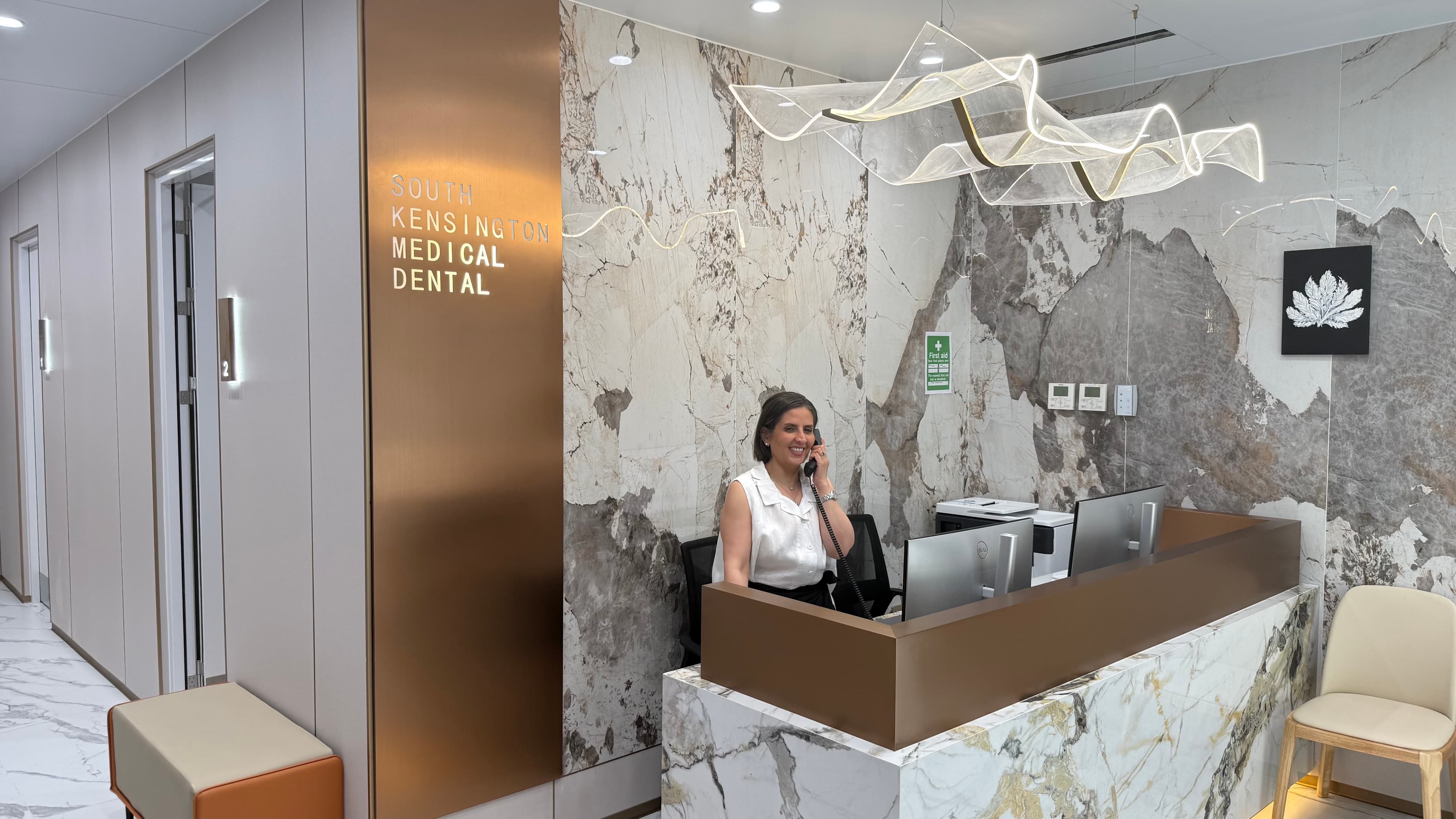
Assessment and treatment planning for crooked teeth and other dental concerns are available at our London clinic, where professional evaluation can help determine appropriate care options.
South Kensington
Now Open20 Old Brompton Road, South Kensington, London SW7 3DL
Mon & Wed: 9 am – 6 pm
Tue & Thu: 9 am – 8 pm
Fri: 9 am – 5 pm
Sat & Sun: 10 am – 4 pm
1 min from South Kensington tube (District, Circle & Piccadilly)
City of London
Now Open5 Ave Maria Lane, City of London, London EC4M 7AQ
Mon – Thu: 8 am – 6 pm
Fri: 8 am – 2 pm
Sat & Sun: Closed
3 min from St Paul's tube (Central line) · 5 min from Blackfriars
Common Questions
Crooked Teeth FAQ
Your Dental Team
Experienced Dentists
All our dentists are GDC registered and experienced in assessing and managing crooked teeth, providing personalised care for each patient.

Dr. Yasha Y Shirazi
Principal Dentist & Clinical Director
GDC: 195843
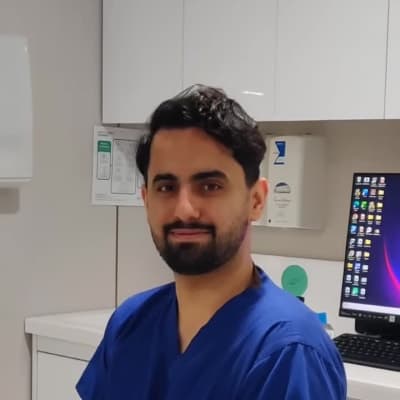
Dr. Reza Davari
Dentist
GDC: 302422
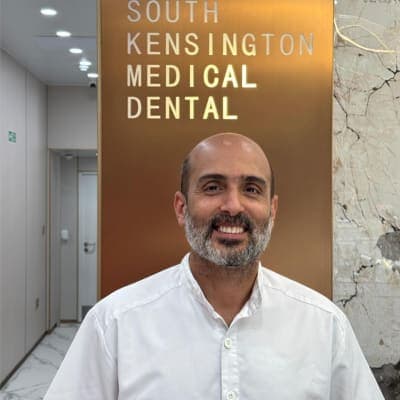
Dr. Kamran Yazdi
Dentist
GDC: 197926

Dr. Andreia Phipps
Dentist
GDC: 229601
Patient Reviews
What Our Patients Say
Related Services
Related Treatments & Services
Registered · Regulated · Trusted
Your Safety Is Our Priority
Our South Kensington and City of London clinics are regulated by the Care Quality Commission (CQC) and all our clinicians are registered with the General Dental Council (GDC).
CQC Regulated
Both clinics
GDC Registered
All clinicians
4.9/5 Rating
Google Reviews
CQC Provider: Medical and Dental Limited · Registration No. 1-20629579981
Assessment for Crooked Teeth
Concerned About Misaligned Teeth?
If you are concerned about misaligned or uneven teeth, a professional dental assessment can help identify possible causes and determine appropriate management options based on your individual needs.