Broken Denture
Repair & Replacement
A cracked, fractured or broken denture can affect comfort, function and confidence. Whether the damage is minor or significant, a professional assessment can help determine whether repair or replacement is the most appropriate option.
New Patient Examination
Only £30 £95for new patients
Understanding the Issue
What Is a Broken Denture?
A broken denture refers to any structural damage that affects the function, fit or comfort of a removable dental prosthesis. This may include visible cracks in the base, fractures through the acrylic, broken or missing teeth, or damaged clasps on partial dentures.
Dentures are designed to withstand daily use, but they are not indestructible. Over time, the materials can weaken, and changes in the shape of the jaw can alter how forces are distributed across the denture, making it more susceptible to damage.
Whether the damage is a hairline crack or a complete fracture, it is important to have the denture assessed by a dental professional. Using a damaged denture can cause discomfort, irritation to the oral tissues, and may worsen the damage further. Your dentist can advise on the most appropriate course of action.
Symptoms & Warning Signs
Visible cracks or fractures
Any visible line, crack or split in the denture base or around individual teeth
Loose or missing teeth
One or more denture teeth that have become loose, chipped or fallen out completely
Changes in fit
The denture feels looser, rocks when worn, or no longer sits comfortably against the gums
Discomfort or irritation
Soreness, rubbing or pressure points that develop when wearing the denture
Difficulty chewing or speaking
Reduced ability to eat certain foods or changes in speech clarity when wearing the denture
Sharp edges causing soreness
Rough or sharp areas on the denture surface causing cuts or ulceration to the gums, cheeks or tongue
If you notice any of these signs, avoid using the denture until it has been professionally assessed to prevent further damage or oral tissue irritation.
Contributing Factors
Common Causes of Denture Damage
Denture damage can result from a range of factors. Understanding these can help with prevention and inform decisions about repair or replacement.
Accidental dropping or impact
Dentures are fragile and can crack or fracture if dropped onto a hard surface, even from a short height
Wear and tear over time
Daily use gradually weakens denture materials, making them more susceptible to cracking or breaking after prolonged use
Changes in fit
The jawbone naturally changes shape over time, which can cause the denture to fit less securely and create uneven pressure points
Biting hard or unsuitable foods
Chewing very hard, sticky or tough foods can place excessive stress on the denture base or individual teeth
Material fatigue
Acrylic and other denture materials can become brittle over years of use, increasing the likelihood of fracture
Improper handling or storage
Incorrect cleaning methods, exposure to hot water, or allowing dentures to dry out can weaken the material and affect fit
Why It Matters
Potential Risks if Not Addressed
Continuing to wear a damaged denture can lead to increasing discomfort and irritation. Sharp or uneven edges may cause sore spots, ulceration or cuts to the gums, cheeks and tongue. Over time, this can result in chronic tissue irritation that requires separate treatment.
A broken denture also compromises function — it may become difficult to chew food effectively, which can affect nutrition, or to speak clearly, which can impact confidence and daily interactions. A poorly fitting or damaged denture may also place uneven pressure on the underlying gum and bone, potentially accelerating further changes.
Additionally, minor damage that is not addressed promptly can worsen over time. A small crack may extend into a complete fracture, and what might have been a straightforward repair could become a more complex — and potentially more costly — replacement. Seeking a professional assessment early helps ensure the most appropriate and conservative approach to restoring your denture.
Your Options
Repair and Replacement Options
Management depends on the type and extent of damage. Your dentist will recommend the most appropriate option following a thorough assessment of the denture and your oral health.
Professional Denture Repair
Minor cracks, fractures or broken clasps can often be professionally repaired, restoring the structural integrity and function of the denture without the need for a full replacement.
Learn MoreReplacement of Components
Individual denture teeth, clasps or other components that have broken or worn can often be replaced while retaining the existing denture base, depending on its overall condition.
New Denture Fabrication
If damage is extensive, the material has significantly deteriorated, or the fit is no longer adequate, fabrication of a new denture may be the most appropriate option for long-term comfort and function.
Learn MoreDenture Adjustment
If the denture is structurally sound but no longer fits well, adjustments such as relining or rebasing can improve fit and comfort, and may help prevent future breakage from uneven pressure.
Oral Tissue Assessment
Your dentist will examine the gums and oral tissues for any irritation, ulceration or injury caused by the damaged denture, and recommend treatment if needed.
Learn MoreOngoing Monitoring
Regular dental check-ups allow your dentist to monitor the condition and fit of your denture over time, identifying early signs of wear or damage before they lead to breakage.
Learn MoreYour First Step
Importance of Professional Dental Assessment
A broken denture should be assessed promptly by a dental professional. Your dentist will examine the denture to determine the type and extent of damage, and whether repair or replacement is the most appropriate course of action.
During the assessment, your dentist will also examine your gums, oral tissues and any remaining natural teeth for signs of irritation, injury or other issues that may have been caused or worsened by the damaged denture. This ensures comprehensive care.
If the denture can be repaired, your dentist will explain the process and expected outcomes. If replacement is recommended — for example, due to extensive damage, material deterioration or changes in jaw shape — your dentist will discuss the available options, including different denture types, to help you make an informed decision.
What to Expect
- 1Examination of the damaged denture to assess the type and extent of damage
- 2Assessment of oral tissues for irritation, ulceration or injury
- 3Evaluation of denture fit and overall condition
- 4Discussion of repair feasibility versus replacement
- 5Clear explanation of options, process and associated costs
- 6Personalised treatment plan tailored to your needs and preferences
Two Convenient Locations
Visit Us in Central London
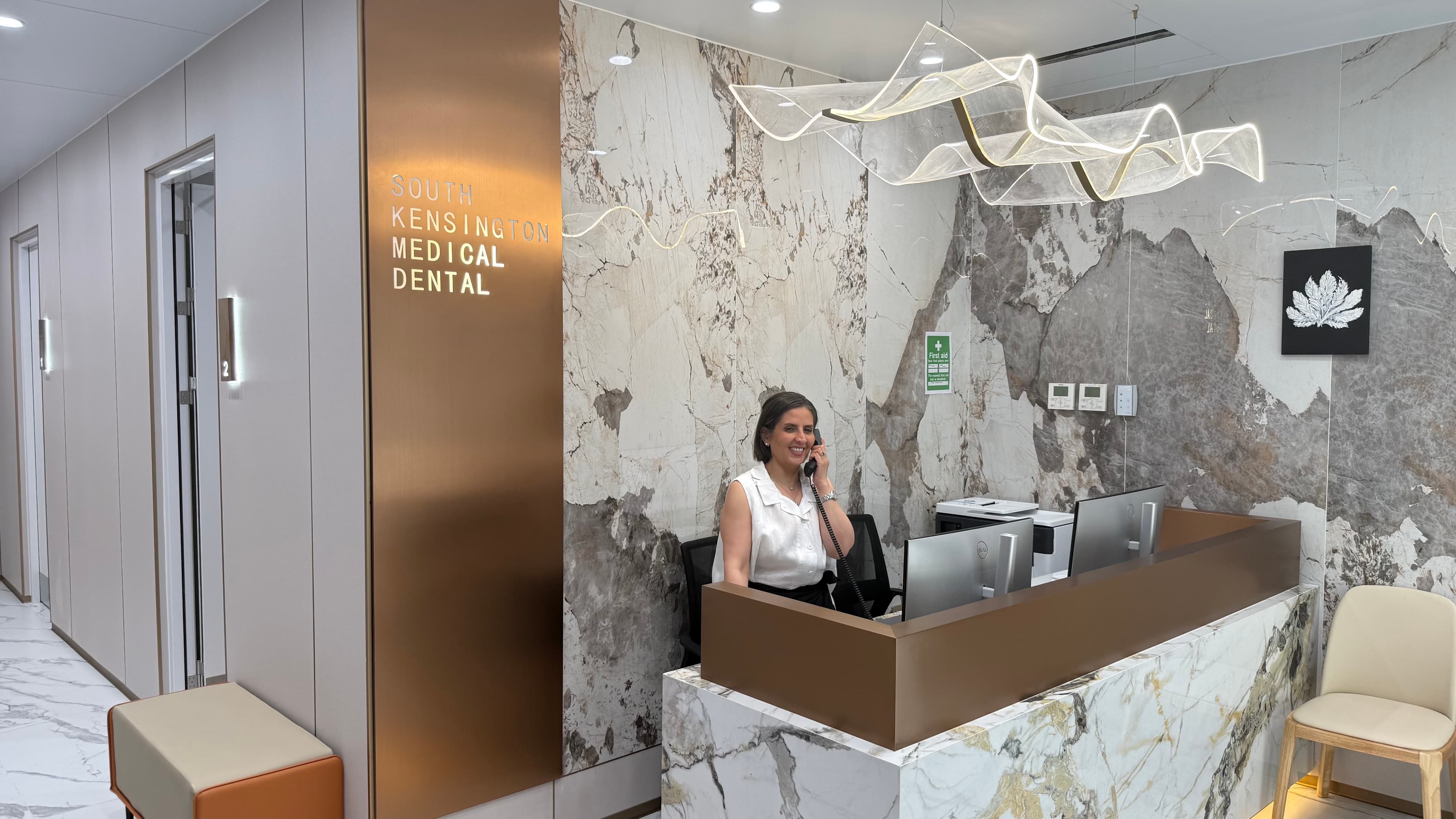
Assessment and treatment planning for denture issues and other dental concerns are available at our London clinic, where professional evaluation can help determine appropriate care options.
South Kensington
Now Open20 Old Brompton Road, South Kensington, London SW7 3DL
Mon & Wed: 9 am – 6 pm
Tue & Thu: 9 am – 8 pm
Fri: 9 am – 5 pm
Sat & Sun: 10 am – 4 pm
1 min from South Kensington tube (District, Circle & Piccadilly)
City of London
Now Open5 Ave Maria Lane, City of London, London EC4M 7AQ
Mon – Thu: 8 am – 6 pm
Fri: 8 am – 2 pm
Sat & Sun: Closed
3 min from St Paul's tube (Central line) · 5 min from Blackfriars
Common Questions
Broken Denture FAQ
Your Dental Team
Experienced Dentists
All our dentists are GDC registered and experienced in denture assessment, repair and replacement, providing personalised care for each patient.
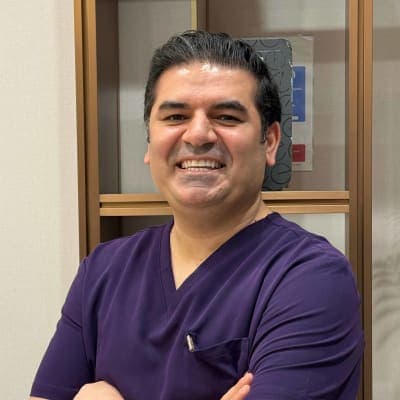
Dr. Yasha Y Shirazi
Principal Dentist & Clinical Director
GDC: 195843
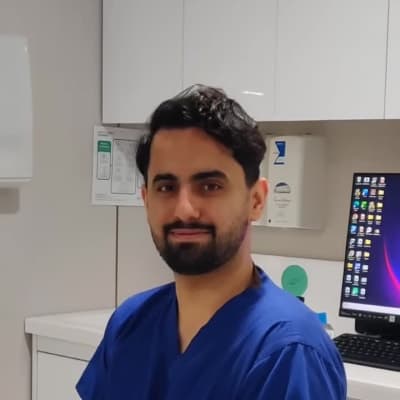
Dr. Reza Davari
Dentist
GDC: 302422
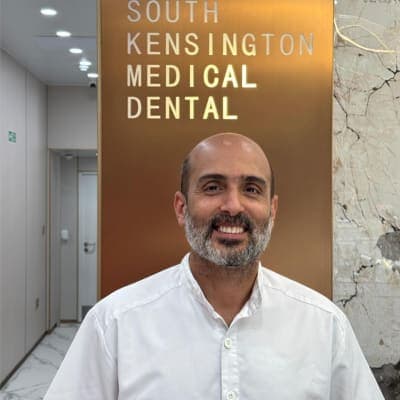
Dr. Kamran Yazdi
Dentist
GDC: 197926
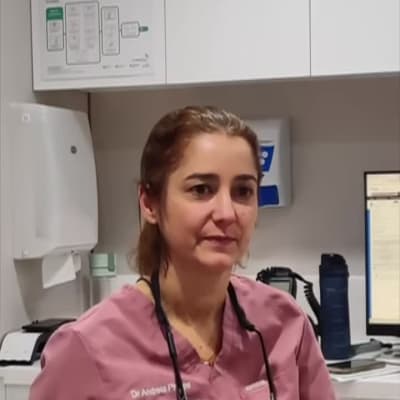
Dr. Andreia Phipps
Dentist
GDC: 229601
Patient Reviews
What Our Patients Say
Related Services
Related Treatments & Services
Registered · Regulated · Trusted
Your Safety Is Our Priority
Our South Kensington and City of London clinics are regulated by the Care Quality Commission (CQC) and all our clinicians are registered with the General Dental Council (GDC).
CQC Regulated
Both clinics
GDC Registered
All clinicians
4.9/5 Rating
Google Reviews
CQC Provider: Medical and Dental Limited · Registration No. 1-20629579981
Assessment for Broken Denture
Denture Cracked, Broken or Ill-Fitting?
If your denture is cracked, broken, or no longer fitting properly, a professional dental assessment can help determine whether repair or replacement is appropriate based on your individual needs.