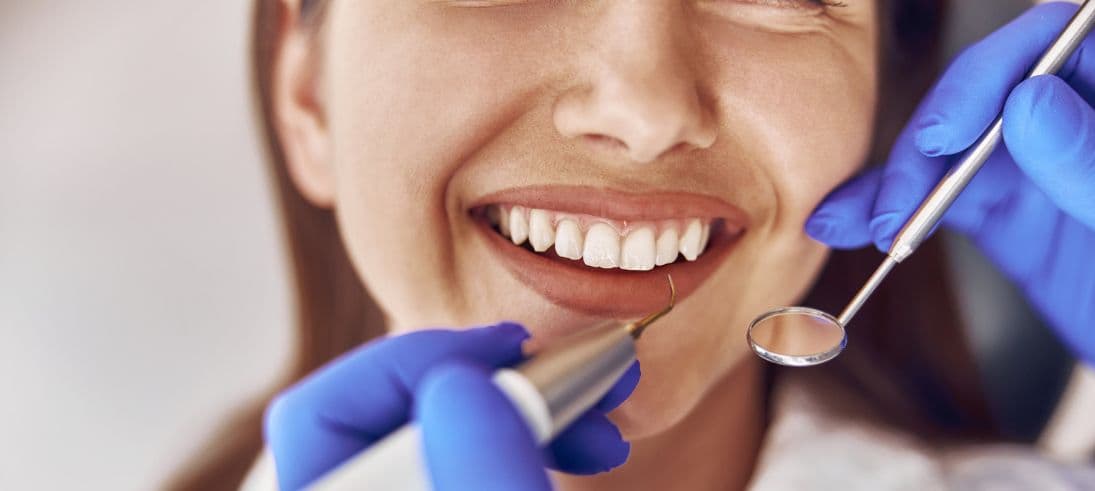
The Difference Between a Dental Therapist and a Dental Hygienist
When attending a dental practice, patients may be seen by a range of professionals beyond the dentist, including dental therapists and dental hygienists. While both play a valuable role in supporting oral health, many patients are unsure about the difference between a dental therapist and a dental hygienist. Understanding what each professional is trained to do can help patients feel more confident about the care they receive and how the dental team works together.
This article provides a clear explanation of the roles, qualifications and scope of practice of dental therapists and dental hygienists in the United Kingdom. It explores the treatments each professional can carry out, how their training differs and how both contribute to a well-functioning dental team. Whether you are attending for a routine cleaning, preventive advice or a specific treatment, knowing which member of the team is providing your care and why can enhance your overall experience. Both dental therapists and dental hygienists are registered with the General Dental Council and work under defined clinical guidelines, ensuring that patients receive safe, high-quality care regardless of which professional they see.
What Is the Difference Between a Dental Therapist and a Dental Hygienist?
The difference between a dental therapist and a dental hygienist lies primarily in their scope of practice. A dental hygienist focuses on preventive care, including professional cleaning, scaling and oral health education. A dental therapist can carry out all hygienist duties and additionally perform certain restorative treatments such as fillings and tooth extractions in children, working under the prescription of a dentist.
Understanding the Role of a Dental Hygienist
A dental hygienist is a registered dental care professional who specialises in preventive oral health care. Their primary focus is on maintaining the health of the gums and supporting structures of the teeth through professional cleaning, patient education and disease prevention. Dental hygienists complete a diploma or degree programme specifically in dental hygiene and must be registered with the General Dental Council before they can practise.
During a typical appointment, a dental hygienist will carry out a thorough assessment of the gums, measuring pocket depths and checking for signs of inflammation or periodontal disease. They perform scaling and polishing to remove plaque and calculus from the tooth surfaces and below the gum line, reaching areas that regular brushing cannot effectively clean. Root surface debridement, a deeper cleaning technique used to manage periodontal disease, also falls within their scope.
Beyond clinical treatment, dental hygienists play an important educational role. They provide tailored advice on brushing technique, interdental cleaning, dietary habits and the use of products such as fluoride mouthwashes and interdental brushes. This personalised guidance helps patients maintain their oral health effectively between appointments. For patients with conditions such as gum disease or those at higher risk of dental problems, regular hygienist visits are an essential component of ongoing care and prevention.
Understanding the Role of a Dental Therapist
A dental therapist is a dual-qualified dental care professional who combines the skills of a dental hygienist with the ability to carry out certain restorative and clinical procedures. Dental therapists complete an extended training programme, typically a diploma or degree in dental therapy, which includes the full dental hygiene curriculum alongside additional training in restorative techniques. Like hygienists, they must be registered with the General Dental Council.
The scope of practice for a dental therapist includes all of the treatments that a dental hygienist can provide, plus a range of additional procedures. These include placing direct restorations such as fillings, extracting deciduous teeth in children, applying fluoride varnishes, placing preformed crowns on primary teeth and carrying out pulp therapy on deciduous teeth. All restorative work performed by a dental therapist is carried out under the prescription of a dentist, meaning the dentist has assessed the patient, determined the treatment needed and delegated the procedure to the therapist.
This expanded scope allows dental therapists to contribute to the management of dental decay and other conditions that require hands-on treatment beyond preventive care. Their ability to carry out both hygiene and therapy procedures makes them versatile members of the dental team, capable of managing a wide range of patient needs within a single appointment. This can improve efficiency within the practice and reduce waiting times for routine treatments.
How Training and Qualifications Differ
The training pathways for dental hygienists and dental therapists share a common foundation but differ in duration and scope. A dental hygiene programme typically takes two to three years to complete, depending on whether the student pursues a diploma or a degree. The curriculum focuses on periodontal science, preventive dentistry, oral health promotion, medical emergencies and clinical skills related to scaling, polishing and patient assessment.
A dental therapy programme is longer and more comprehensive, as it incorporates the entire dental hygiene syllabus alongside additional modules in restorative dentistry, paediatric dentistry, pharmacology, radiography and local anaesthesia. Many universities now offer combined dental hygiene and dental therapy degrees, allowing graduates to qualify in both disciplines simultaneously. These programmes typically last three years at degree level and produce professionals who are registered with the GDC in both capacities.
Both dental hygienists and dental therapists are required to undertake continuing professional development throughout their careers to maintain their registration. This ensures that they remain up to date with current clinical evidence, techniques and professional standards. The GDC sets clear guidelines on the scope of practice for each role, and both professionals are accountable for working within their defined competencies. Patients can therefore be confident that whichever professional provides their care, they have completed rigorous training and meet nationally recognised standards.
Scope of Practice: What Each Professional Can Do
Understanding the specific treatments that each professional is authorised to carry out helps clarify the practical differences between the two roles. A dental hygienist can perform scaling and polishing, root surface debridement, application of topical treatments such as fluoride varnish, taking dental impressions, providing oral health education and screening for oral diseases under the direction of a dentist.
A dental therapist can perform all of these treatments and additionally carry out direct restorations including white fillings, extract primary teeth in children, administer local anaesthesia, place preformed stainless steel crowns, take radiographs and carry out pulpotomies on deciduous teeth. Some dental therapists may also be trained to adjust partial dentures and apply fissure sealants. All clinical work performed by a dental therapist is carried out under the prescription of a dentist, who retains overall clinical responsibility for the patient's care plan.
It is important to note that neither dental hygienists nor dental therapists can independently diagnose conditions, prescribe medications or carry out complex procedures such as root canal treatment, crown preparations or surgical extractions. These remain within the exclusive scope of a dentist. The collaborative nature of the dental team means that each professional contributes their specific expertise, with the dentist overseeing the overall treatment plan and delegating appropriate procedures to qualified team members.
How Both Roles Support Preventive Dental Care
Preventive care is at the heart of both the dental hygienist and dental therapist roles, and both professionals play a central part in helping patients maintain healthy teeth and gums over the long term. Regular professional cleaning removes hardened plaque and calculus that cannot be addressed through home care alone, reducing the risk of gum disease and supporting the stability of the teeth and surrounding bone.
Both professionals are trained to assess patients for early signs of oral health problems, including gingivitis, periodontitis, dental decay and soft tissue abnormalities. Early detection of these conditions allows for timely intervention, which is typically simpler, less invasive and more cost-effective than treating problems that have been allowed to progress. This preventive approach aligns with the broader philosophy of modern dentistry, which emphasises maintaining health rather than solely treating disease.
Patient education is another shared strength. Both dental hygienists and dental therapists are skilled in communicating oral health information in an accessible and supportive way. Whether advising on brushing technique, recommending suitable interdental cleaning products or discussing dietary choices that affect oral health, these professionals help patients build the knowledge and habits needed to care for their teeth effectively between appointments. Regular attendance for general dentistry check-ups and hygiene appointments supports a proactive approach to oral health that benefits patients throughout their lives.
The Dental Team: How It All Works Together
Modern dental care is delivered by a team of professionals, each with a distinct role and defined scope of practice. Understanding how the dental team functions helps patients appreciate the collaborative approach that underpins high-quality care. The dentist leads the team and is responsible for diagnosis, treatment planning and carrying out complex clinical procedures. The dental hygienist and dental therapist support the dentist by delivering specific treatments and preventive care as part of the agreed care plan.
Dental nurses also play an essential role, assisting during procedures, preparing instruments and supporting patients throughout their visit. Practice managers and receptionists ensure the smooth running of the clinic and coordinate patient appointments. In larger practices, other specialists such as orthodontists or oral surgeons may also be part of the extended team.
The delegation of certain treatments to dental hygienists and therapists allows the dentist to focus on more complex cases while ensuring that patients receive timely access to routine care. This team-based model improves efficiency and can reduce waiting times for appointments. It also means that patients benefit from the specialised expertise of each team member. All members of the dental team are regulated by the GDC and are required to work within their scope of practice, follow ethical guidelines and maintain professional standards at all times.
When Professional Dental Assessment May Be Needed
While dental hygienists and dental therapists can address many routine oral health needs, there are situations where a full assessment by a dentist is necessary. Understanding when to seek this evaluation ensures that more complex concerns are managed appropriately and that patients receive the most suitable care for their individual circumstances.
A dental assessment may be appropriate if you experience persistent toothache or discomfort that does not resolve, increased sensitivity to hot or cold temperatures, bleeding gums that continues despite improved oral hygiene, visible damage to a tooth such as a chip or crack, swelling in the gums or face, a persistent unpleasant taste or changes in how your bite feels. Any of these symptoms could indicate an underlying condition that requires clinical evaluation by a dentist.
If you are unsure whether your concern should be seen by a hygienist, therapist or dentist, the reception team at your dental practice can help direct you to the most appropriate appointment. Attending regular check-ups allows your dentist to monitor your oral health comprehensively and ensure that any emerging issues are identified and managed early.
Making the Most of Your Dental Appointments
To get the greatest benefit from your visits to the dental hygienist or dental therapist, there are several practical steps you can take. Maintaining a consistent daily oral care routine between appointments supports the work carried out by your dental team and helps to keep your teeth and gums in the best possible condition. Brushing twice a day with fluoride toothpaste, cleaning between the teeth daily with interdental brushes or floss and using a mouthwash if recommended are the foundations of effective home care.
Being open with your dental care professional about any symptoms, concerns or changes you have noticed allows them to tailor their approach and provide the most relevant advice. If you take any medications, have any medical conditions or are pregnant, informing your dental team ensures that your care is adapted to your specific needs. Keeping a note of any questions you would like to ask before your appointment can also help you make the most of your time in the chair.
Attending appointments at the frequency recommended by your dental team is one of the most effective ways to maintain long-term oral health. Whether you see a hygienist, therapist or dentist, each visit contributes to the ongoing monitoring and management of your oral health, helping to prevent problems before they develop into more complex issues.
Key Points to Remember
- Dental hygienists specialise in preventive care including professional cleaning, scaling and oral health education
- Dental therapists can perform all hygienist duties plus certain restorative treatments such as fillings and primary tooth extractions
- Both professionals are registered with the General Dental Council and work within defined scopes of practice
- Dental therapists work under the prescription of a dentist, who retains overall clinical responsibility
- Regular visits to either professional support the early detection and prevention of oral health problems
- The dental team works collaboratively to provide comprehensive, patient-centred care
Frequently Asked Questions
Can a dental therapist do everything a dentist does?
A dental therapist cannot carry out all of the procedures that a dentist performs. While dental therapists are trained to provide a wider range of treatments than dental hygienists, their scope of practice is more limited than that of a dentist. They cannot independently diagnose conditions, prescribe medications, perform surgical extractions, carry out root canal treatment on permanent teeth or prepare teeth for crowns and bridges. All clinical work performed by a dental therapist is carried out under the prescription of a dentist, who remains responsible for the overall treatment plan and delegates specific procedures as appropriate.
Do I need to see a hygienist if I already see a dental therapist?
If your dental therapist holds dual qualifications in both dental hygiene and dental therapy, they can provide the full range of hygiene treatments alongside restorative procedures within a single appointment. This means you may not need to see a separate hygienist, as your therapist can carry out scaling, polishing, root surface debridement and oral health education as part of their scope of practice. However, the specific arrangements depend on how the dental practice is organised and your individual treatment plan. Your dental team will advise on the most appropriate appointment structure for your needs.
Are dental hygienists and dental therapists regulated?
Both dental hygienists and dental therapists are regulated by the General Dental Council in the United Kingdom. Registration with the GDC is a legal requirement, and it ensures that all practising professionals have completed approved training programmes and meet nationally recognised standards of competence and conduct. Both professionals must adhere to the GDC's standards for dental professionals, which cover areas including patient safety, communication, clinical competence and continuing professional development. Patients can verify the registration status of any dental care professional through the GDC's online register.
Can a dental therapist give injections?
Dental therapists are trained and authorised to administer local anaesthesia as part of their clinical scope of practice. This allows them to numb the area around a tooth before carrying out procedures such as fillings or primary tooth extractions, ensuring that the patient is comfortable throughout the treatment. The administration of local anaesthetic by a dental therapist is carried out in accordance with GDC guidelines and under the prescription of a dentist. Dental hygienists may also administer local anaesthesia in some circumstances, depending on their specific training and the protocols of the practice.
How do I know which professional I will see at my appointment?
When booking a dental appointment, the reception team can advise you on which professional will be providing your care. Routine hygiene appointments are typically scheduled with a dental hygienist or a dual-qualified dental therapist. Check-up appointments and treatment for more complex issues are usually carried out by a dentist. If you have a preference or would like to understand more about who will be treating you, the practice team will be happy to explain the arrangements. In many practices, you may see different members of the dental team at different appointments as part of a coordinated approach to your care.
Conclusion
Understanding the difference between a dental therapist and a dental hygienist helps patients appreciate the range of expertise available within a modern dental team. Both professionals are highly trained, GDC-registered and committed to supporting patients in maintaining healthy teeth and gums. While dental hygienists focus on preventive care and periodontal health, dental therapists offer an extended scope that includes certain restorative procedures, providing greater flexibility within the dental team.
Whether you are attending for a routine clean, preventive advice or a specific treatment, you can be confident that each member of the team works within clearly defined professional standards. Building a long-term relationship with your dental team and attending regular appointments supports the best possible outcomes for your oral health.
Dental symptoms and treatment options should always be assessed individually during a clinical examination.
Disclaimer
This article is intended for general educational and informational purposes only. It does not constitute professional dental advice, diagnosis or a recommendation for any particular treatment. The information provided should not be used as a substitute for a consultation with a qualified dental professional. Individual oral health needs, symptoms and treatment requirements differ from person to person and should always be evaluated during a clinical dental examination by a registered dental practitioner. No treatment outcomes are guaranteed or implied within this content. This article has been prepared in accordance with the professional communication guidance issued by the General Dental Council, the Care Quality Commission and the Advertising Standards Authority.
Written Date: 5 April 2026 Next Review Date: 5 April 2027